Posted on December 26 2019
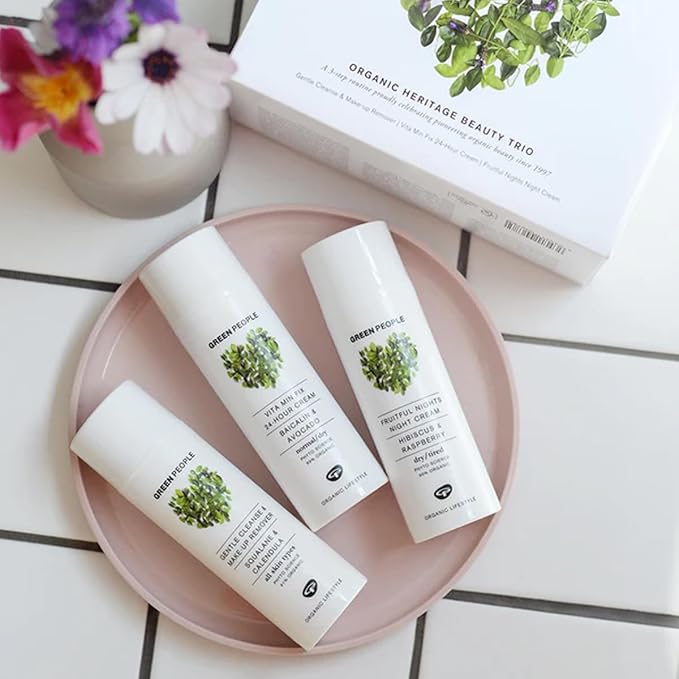
You've made the switch to zero waste products and realised how beneficial they are to y...
Welcome to EcoBlog 🐢 —your go-to hub for sustainable and ethical living! Dive into practical how-to guides, inspiring tips, and the latest eco-news to transform your lifestyle. Whether you’re just starting your green journey or looking to deepen your impact, join us and discover how small changes can create a big difference for our planet.
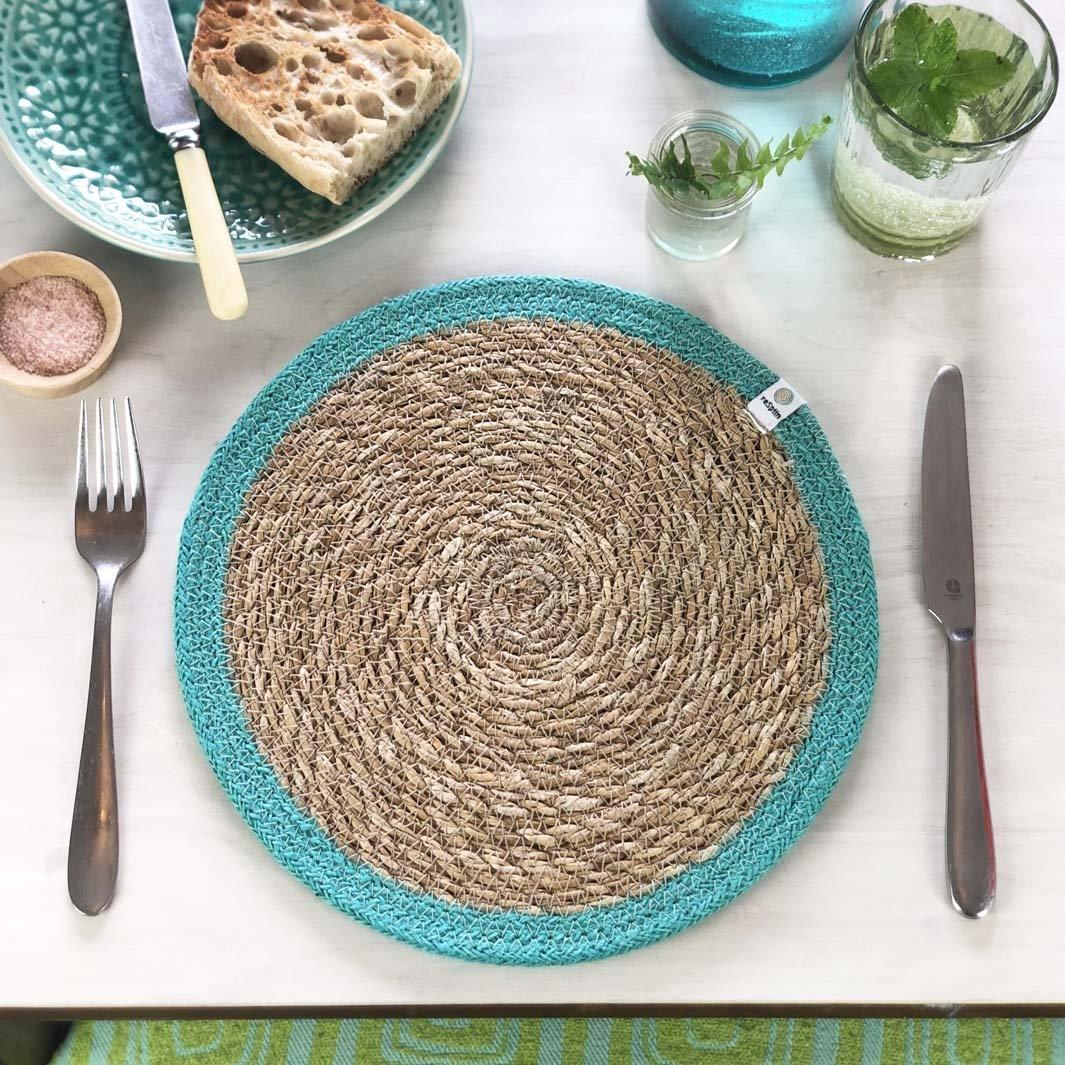
Jute table mats can add a natural finish to your home, with colours and designs that suit different dining spaces. In this Friendly Turtle EcoBlog guide, we look at the fibre behind the mat and the practical details that help you choose a suitable product. Learn why plant growth alone does not establish a finished mat's carbon footprint, and why backing, binders, dyes and coatings matter when considering care and disposal. A jute mat should not automatically be treated as waterproof, heatproof, certified organic or suitable for a home compost heap. The guide also considers everyday marks, spills, drying and the value of comparing size and construction alongside price. Matching coasters can bring a consistent look to a table, while current collection and homeware links offer more ideas. Choose pieces you will use regularly and follow the maker's instructions to help them last.

This Friendly Turtle EcoBlog archive captures our excitement about taking part in the Mindful Market hosted by Vegans Of LDN on 7 September 2019. The original announcement describes a gathering of ethical traders, vegan food stalls and people interested in more conscious everyday choices, with Friendly Turtle bringing a selection from the shop. Event times, the Art Pavilion address and the original travel notes are retained as a record of that day, with a clear reminder that the event has passed. The old Facebook event link is included for reference, while current Tower Hamlets Council and Transport for London links help anyone exploring Mile End Park today. You will also find links to everyday ideas for avoiding single-use plastic and choosing reusable food storage. Revisit a moment in our community story without mistaking a historical invitation for a current market listing.

Bamboo cutlery and utensils can be practical additions to a reusable routine when you choose them for the right task. In this Friendly Turtle EcoBlog guide, we distinguish travel cutlery from cooking tools and consider what to check before buying. Bamboo is a grass, but that material name alone does not establish how a finished utensil is made or how it should be used. Look at construction, coatings, adhesives and food-contact instructions, and follow the stated heat and cleaning limits. A set is not automatically stain-proof, dishwasher-safe or a safeguard against burns. The guide also covers washing, drying and checking for cracks or splinters, with links to reusable cutlery and further advice on portability and care. Whether you choose bamboo or keep using utensils you already own, the focus is on regular reuse, useful durability and tools that fit your everyday cooking and eating habits.

A lower-waste cleaning routine works best when packaging choices go alongside effective cleaning and careful use. In this Friendly Turtle EcoBlog guide, we consider three checks: how much packaging a product uses, whether it suits the job and how a refill compares on value. Dissolvable does not automatically mean plastic-free, and a plant-based ingredient does not guarantee that a cleaner is harmless. Read the label for surface compatibility, dilution, storage and any antibacterial claims. The article also explains why routine cleaning and disinfection have different purposes, why products should not be mixed and why refill bottles need to be suitable and clearly labelled. Recognised ingredient standards can offer useful information when a specific product carries them. Compare cost per use and choose supplies that fit your household, so reducing waste becomes a practical habit you can maintain.
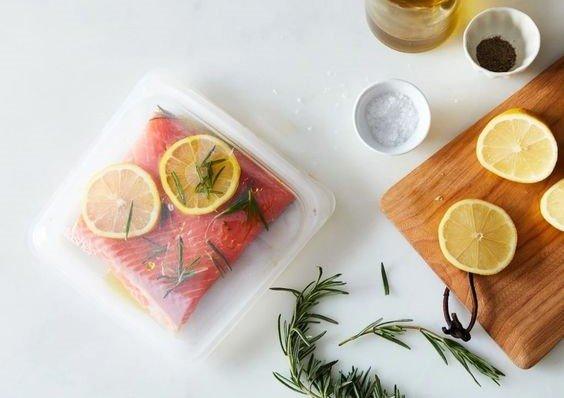
Reusable bags and pouches can make it easier to pack lunches and store suitable leftovers without reaching for another disposable bag. In this Friendly Turtle EcoBlog guide, we compare the practical uses of different materials, including cotton, silicone and recycled fabrics. The article explains why a snack pouch is not necessarily airtight or leakproof, and why food-contact suitability, recycled content and recyclability should be checked separately. We also look at seals, seams, cleaning, drying and the manufacturer's temperature limits, especially when storing liquids. Choosing a size you will use and keeping it in good condition matters more than collecting extra containers. Food safety stays part of the routine: use clean storage and keep raw ingredients separate from ready-to-eat meals. Explore options for work lunches, snacks and leftovers while making the most of suitable bags you already own.
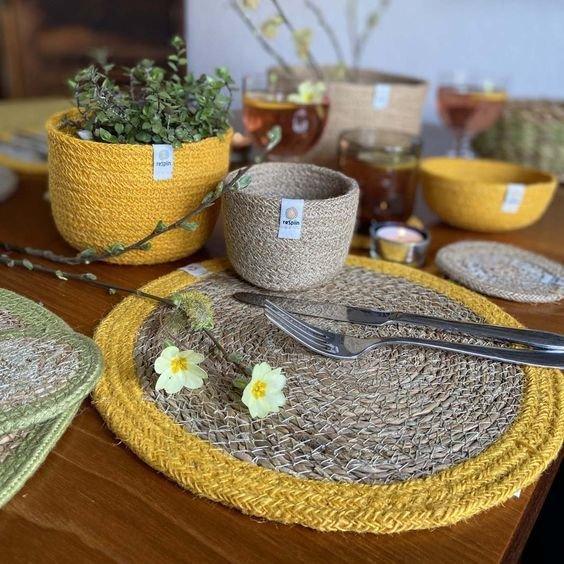
Jute table mats can bring natural texture and a relaxed finish to a dining table, but the details of the finished product matter. In this Friendly Turtle EcoBlog guide, we consider jute as a plant fibre and explain why cultivation alone cannot establish the environmental impact of every mat. Compare construction, backing, dyes, finishes and care instructions alongside size, colour and price. A mat may help protect against everyday marks, but it should not be assumed to be waterproof, heatproof or suitable for direct food contact. The guide also separates natural materials from certified organic claims and looks at value through regular use, rather than purchase price alone. Links to the current placemats and coasters collection and our sustainable homeware guide offer useful starting points. Choose pieces that suit your table, fit your routine and can be cared for over time.
This Friendly Turtle EcoBlog archive revisits the July 2019 announcement of our move to a tracked delivery service. It records why tracking and delivery preferences mattered to customers who could not always be at home, alongside the importance we placed on the people delivering our parcels. The original launch terms, including the delivery estimate, dispatch cut-off and free-delivery threshold, are clearly identified as historical information. For a new order, follow the current shipping policy and the options shown at checkout. The article also points to Royal Mail's guidance on delivery preferences for eligible parcels and Citizens Advice information about orders that have not arrived. If you need help with a Friendly Turtle purchase, our contact details are included. Explore the story behind the service change while keeping today's delivery questions tied to current information.

Cruelty-free skincare can help you consider animal welfare when choosing the products you use each day. In this Friendly Turtle EcoBlog guide, we explore ten reasons to check brands, understand certification and support clear animal-testing policies. Learn why cruelty-free, vegan, natural and organic are separate claims, and why none of them automatically guarantees that a formula will suit your skin. We look at alternatives to animal testing, the scope of cosmetic rules in Great Britain, environmental choices and options for different budgets. Current directories and product information are more useful than relying on an old brand graphic or a bunny illustration alone. You can keep using suitable products you already own and make an informed choice when a replacement is needed. The aim is a manageable skincare routine that reflects your values, respects your budget and meets your own needs.
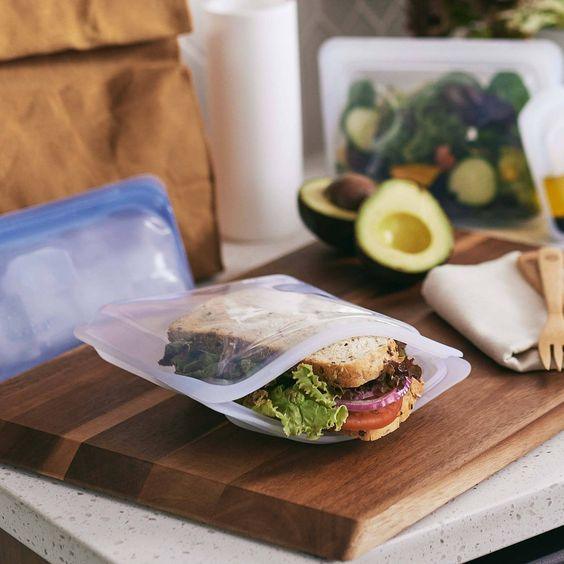
Packing your own sandwiches gives you more control over lunch and can make it easier to reduce disposable packaging. In this Friendly Turtle EcoBlog guide, we explore reusable food storage, cotton sandwich bags and waxed food wraps, with practical checks before you choose. Silicone, cotton and lined fabrics have different uses, so a pouch designed for a dry snack should not be treated as a leakproof container for soup. The guide explains why microwave, freezer, dishwasher and temperature limits must come from the individual product's instructions. We also consider size, linings, plant-based wax and beeswax, along with cleaning and the need to separate raw foods from ready-to-eat lunches. Choose a format that suits what you actually eat, keep a suitable bag in regular use and look after it properly. A useful packed-lunch routine starts with safe storage and items that work for your day.

Choosing a natural deodorant can be about packaging, personal preference and finding a formula that feels comfortable on your skin. In this Friendly Turtle EcoBlog guide, we consider five practical points: aluminium-free options, odour control, less wasteful packaging, cruelty-free credentials and marks on clothing. Learn the difference between deodorants and antiperspirants, why natural ingredients can still irritate and why everyday product choices should not be driven by unsupported disease claims. The guide also explains why vegan and cruelty-free labels answer different questions, and why all packaging needs suitable disposal. Earth Conscious appears as our original 2019 recommendation, with current shopping links for comparing available formats. Whether you prefer a stick, cream or tin, check the ingredients and directions, use the recommended amount and choose something you can use consistently.

Plastic-free cleaning products can reduce packaging, but effective cleaning and safe use depend on more than the container. In this Friendly Turtle EcoBlog guide, we revisit practical alternatives such as brushes with replaceable heads, coconut-fibre scrubbers, washable cloths and refill cleaners. The article explains why materials, certification and care instructions should be checked for the specific product, and why plant-based ingredients do not automatically mean a cleaner is harmless. We also distinguish everyday cleaning from disinfection, consider sensible storage and ventilation, and explain why each refill needs its own dilution instructions. Learn what ingredient standards can tell you, and check how tools made from several materials should be cared for and disposed of. The aim is to make useful lower-waste choices while keeping the cleaning routine suitable for your home and family.