First-time visitors to Georgia often want a clear, stress-free introduction that balances culture, nature and everyday comfort. Many begin in Tbilisi, where the airport sits close to the city centre and the compact Old Town allows easy walking between the sulphur baths, Narikala cable car and riverside viewpoints. Sustainable travel here means choosing walkable routes, local cafés and small hotels that support the community. Short trips to Mtskheta add historical depth without long drives, while Kakheti introduces wine traditions through slower, guided visits that reduce unnecessary transport. Some travellers combine Tbilisi with Batumi, using efficient internal travel rather than multiple flights. At Friendly Turtle EcoBlog, we encourage first-time visitors to travel Georgia responsibly by pacing itineraries, staying in family-run guesthouses, joining small-group tours and respecting local ecosystems. These mindful choices help reduce environmental impact while still offering a rich, authentic experience of Georgia’s cities, landscapes and traditions.
Share your articles with us and get published! Reach out at hello@friendlyturtle.com.
Ease Your Environmental Concerns with Reusable Bags
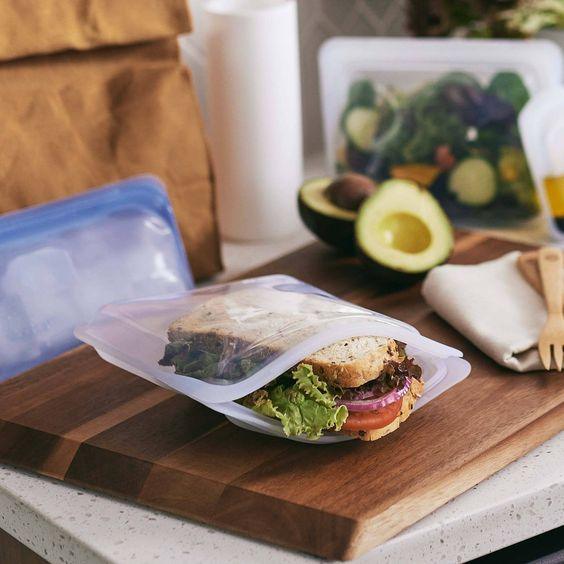
Sandwiches are easy to make and convenient to bring anywhere, that’s why they’re popular on-the-go foods. Making your sandwiches could even help you save money and enjoy a healthier meal since you have more control over the portion and the ingredients that go into them. You need to make sure they are packed properly. Rather than using conventional plastic bags, consider sustainable options like reusable sandwich bags. By ditching sandwich plastic clingfilm, bags, and containers, you could contribute to reducing the waste that goes into the landfill or the seas, and help save the environment.
Silicone reusable bags will keep your sandwich fresher much longer with their leakproof design and airtight seal. They come as Ziploc pouches, which you can get in different sizes. That way, you also have reusable and portable containers for other foods you like to eat with your sandwiches, such as vegetables, nuts, or chips. High-quality reusable sandwich bags use safe, food-grade silicone that is BPA-free and FDA approved. They are heat resistant up to 230 degrees, microwavable, freezer-safe, and dishwasher friendly.
Another kind of reusable sandwich bag you can use is a cotton food wrap that is free of BPA, phthalate, and lead. It can also be used as a lunch mat, in case you are having lunch at your desk and you want to keep the crumbs off the table and your other things. Reputable zero-waste stores carry reusable food wraps made of 100 per cent cotton, with a waterproof liner to keep the food fresher for an extended time.
If you are looking for alternatives to reusable silicone bags, consider plant-based wax food wraps. Zero-waste shops in the UK offer them in packs of different sizes, where the large wrap can fit an adult sandwich. Like cotton reusable sandwich bags, they come in different designs for a more enticing, appetising, and enjoyable lunch.
0 comments
Let customers speak for us
Blog posts
A calm, multifunctional garden can be more than a pretty backdrop it can become a practical extension of your home that supports slow mornings, outdoor meals, and genuine downtime. In this Friendly Turtle EcoBlog guide, we look at simple, sustainable ways to shape an outdoor space that feels organised, welcoming, and easy to use throughout the week. Start by creating clear “zones”: a quiet seating corner for reading, a dining spot for relaxed lunches, and a flexible open area for play or potting. Light-touch structures, such as an airy pergola or a sheltered veranda, add definition without blocking daylight, making the garden usable in changeable weather. Keep the mood restful with layered planting: evergreens for year-round structure, seasonal flowers for colour, and lightly scented herbs near paths. Choose reclaimed or recycled materials where possible, add soft warm lighting, and reduce water waste with mulch and a simple rainwater butt. The result is a garden that feels calm, functional, and kinder to the planet.
Finding the right mental health support in Woodland Hills starts with checking credentials, treatment approach and access to care. Look for licensed clinicians with training in evidence-based therapies such as CBT or DBT, and ask whether programmes offer coordinated psychiatry, talking therapy and crisis support when needed. The best providers also explain your options clearly, from outpatient sessions to more structured day programmes, and may include complementary practices that support recovery, such as mindfulness, movement and nutrition guidance. At Friendly Turtle EcoBlog, we often explore how everyday choices shape wellbeing; this guide applies the same practical lens to mental health care, helping you compare services, understand what ‘holistic’ really means, and choose a setting that feels safe, respectful and tailored to your needs. It also highlights practical questions to ask about availability, confidentiality, fees and insurance, so you can make a confident, informed decision.
