Sustainable homeownership starts long before major structural repairs become necessary. While many homeowners focus on improving insulation, upgrading windows or reducing household energy use, protecting a home's foundation is just as important for lowering environmental impact. Preventing foundation damage helps avoid resource-intensive repairs that often require large amounts of concrete, steel, heavy machinery and construction waste. Fortunately, simple maintenance habits can make a significant difference. Keeping gutters and downpipes clear, managing rainwater effectively, maintaining consistent soil moisture, improving drainage, grading the landscape correctly and choosing native, drought-tolerant planting all help protect a home's structural integrity while conserving natural resources. At Friendly Turtle EcoBlog, we believe the most sustainable home improvements are often preventative rather than reactive. Caring for your home's foundations not only extends the lifespan of the property but also reduces waste, lowers future repair costs and supports a more responsible approach to home maintenance. This guide explores practical, eco-friendly strategies that help homeowners prevent foundation damage before it starts, creating healthier, longer-lasting homes with a smaller environmental footprint.
Share your articles with us and get published! Reach out at hello@friendlyturtle.com.
Protect Your Family’s Health with Plastic Free Cleaning Products
Keeping your home clean and properly sanitised will help prevent unwanted illnesses and health conditions caused by bacteria, fungus, viruses, and other contaminants. However, achieving a clean and safe home shouldn’t mean the environment will suffer. If you are still using conventional plastic cleaning tools and products, you may want to consider plastic-free cleaning products in the UK. It’s not just safe for the environment, but potentially safer and healthier for you and your loved ones, too.
The problem with regular cleaning products
Many store-bought, commercial cleaning products contain harsh, if not harmful chemicals that could have some long-term effects on your health. Moreover, they often come in non-biodegradable plastic bottles, which could remain in the landfill or end up in the oceans if not properly disposed or recycled correctly.
That said, it may be best to follow the example of discerning consumers who care for the environment and shop at a reputable zero waste shop in the UK for plastic-free cleaning products. This kind of shop carries a wide variety of plastic-free solutions with sustainable ingredients and materials and manufactured in environmentally friendly and ethical means.
Things to buy
A plastic-free shop in the UK has a good selection of environmentally friendly alternatives to conventional cleaning products. Here are some examples that can replace the disposable, plastic goods you might have at home:
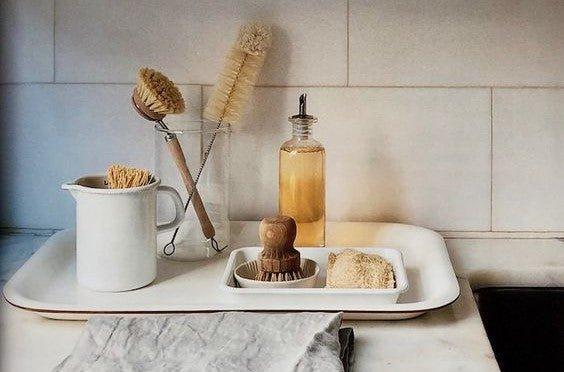
- Wooden dish brush with a replaceable brush head – Made of FSC certified, sustainable wood, it’s a reusable product with firm Tampico fibre bristles that can effectively remove stubborn stains off pots and pans.
- Eco-friendly scrubbers – These plastic-free cleaning products in the UK are made of coconut husks or coconut fibres.
- Organic washcloths – Organic cotton is a popular material at a zero-waste shop in the UK because it is multipurpose and can be used for cleaning and mopping up spills, wiping, and other applications.
- Plant-based multipurpose cleaners – Packed in sustainable, biodegradable pods, drop it into an empty reusable bottle, fill it with water, shake, and it will be ready to use and sprayed on surfaces.
0 comments
Let customers speak for us
Blog posts
Scaffold towers provide a safe and practical way to carry out many home maintenance and renovation projects, from painting ceilings and repairing gutters to repointing brickwork and exterior decorating. Choosing the correct tower height, understanding stability requirements and following essential safety guidance can help prevent accidents while improving efficiency on site. Hiring reusable aluminium scaffold towers instead of purchasing equipment for occasional use can also support a more sustainable approach to DIY by reducing unnecessary consumption and encouraging the shared use of durable resources. Knowing when a scaffold tower is the right solution, and when alternatives such as podium steps or scissor lifts are more appropriate, helps homeowners complete projects safely and responsibly. At Friendly Turtle EcoBlog, we believe sustainable home improvement is about making informed choices that protect both people and the planet. This guide explains scaffold tower heights, safety checks, PASMA guidance and practical alternatives, helping readers carry out renovation and maintenance work with greater confidence while reducing waste and extending the life of their homes.
Organic surfaces have become a defining feature of sustainable modern homes, offering a timeless alternative to trend-driven interiors. Natural materials such as timber, stone, clay and linen introduce warmth, texture and character that manufactured finishes often struggle to replicate, while their durability helps reduce waste by extending the lifespan of kitchens and living spaces. Rather than replacing surfaces every few years to follow changing fashions, investing in high-quality organic materials encourages a more conscious approach to home design that values longevity, craftsmanship and responsible consumption. These materials also pair beautifully with contemporary finishes, creating interiors that feel balanced, elegant and welcoming without relying on excessive decoration. At Friendly Turtle EcoBlog, we believe sustainable living starts with choosing products and materials that are made to last, helping homeowners reduce their environmental impact while creating healthier, more considered spaces. This guide explores why organic surfaces continue to shape modern British interiors, how they enhance everyday living, and why natural, durable materials remain one of the smartest long-term investments for anyone designing a sustainable home.
