EcoBlog

Welcome to EcoBlog 🐢 —your go-to hub for sustainable and ethical living! Dive into practical how-to guides, inspiring tips, and the latest eco-news to transform your lifestyle. Whether you’re just starting your green journey or looking to deepen your impact, join us and discover how small changes can create a big difference for our planet.

6 Sustainable Styling Tips for Formal Dress Codes

6 Sustainable Styling Tips for Formal Dress Codes

Formal dress codes don’t have to mean panic-buying something expensive you’ll only wear once. At Friendly Turtle EcoBlog, we love sustainable style that feels elegant, personal and genuinely practical and formalwear is a perfect place to start. This guide shares six simple ways to dress up with less waste: hunting for vintage pieces in beautiful natural fabrics, using tailoring to make second-hand finds fit perfectly, swapping occasionwear with friends, borrowing standout accessories, and building a small capsule of timeless formal staples you can rewear in different ways. We also cover the value of caring for what you already own, from basic repairs to gentler cleaning habits that help special pieces last longer. The result is a wardrobe with more character, less clutter, and far fewer one-hit wonders. Sustainable formal style is not about sacrificing glamour; it’s about choosing quality, versatility and confidence over throwaway trends.

Read More
Do Composite Veneers Stain? What To Know About Keeping Them Bright

Do Composite Veneers Stain? What To Know About Keeping Them Bright

Composite veneers can brighten and refine a smile, but unlike porcelain, they are more prone to staining over time. Because composite resin is slightly more porous, everyday habits such as drinking coffee, tea, red wine or smoking can gradually dull the surface and shift the colour. The good news is that a consistent care routine can make a real difference. Brushing twice daily with a non-abrasive toothpaste, flossing carefully around the veneer edges, rinsing after highly pigmented foods and keeping up with six-month dental visits all help preserve a cleaner, brighter finish. At Friendly Turtle EcoBlog, we’re interested in practical self-care choices that support long-term wellbeing, and veneer maintenance is no different: looking after what you already have is often the most sensible, lower-waste approach. This guide explains why composite veneers stain, how long they typically last, when they can be repaired rather than replaced, and which daily habits help them stay smooth, natural-looking and fresh for longer.

Read More
Composite Veneers vs. Porcelain: Which Is Right for You?

Composite Veneers vs. Porcelain: Which Is Right for You?

Veneers can be a confidence game-changer, especially if you’re self-conscious about chips, gaps or staining. But choosing between composite veneers and porcelain veneers isn’t just about aesthetics it’s about your timeline, budget, lifestyle, and how “reversible” you want the change to be. Composite veneers are typically shaped and bonded directly onto your teeth in a single visit, with minimal enamel removal and easier repairs if you chip one. Porcelain veneers, meanwhile, are custom-made in a lab, highly stain-resistant, and designed for a longer lifespan but they usually require some enamel to be trimmed and are harder to patch if damaged. At Friendly Turtle EcoBlog, we also like to look at choices through a practical, lower-waste lens: conservative options that preserve healthy tooth structure, reduce repeat replacements, and fit real life often feel like the most sustainable decision long-term. Use this guide to weigh what matters most speed, durability, maintenance, and flexibility so you can pick the option that supports a natural-looking smile you’ll feel great about for years.

Read More
Sustainable Roofing: Reduce Your Home’s Carbon Footprint

Sustainable Roofing: Reduce Your Home’s Carbon Footprint

Your roof is easy to ignore when you’re trying to live greener, but it may be one of the biggest levers you can pull. The right roofing choices can cut summer heat gain, lower energy bills, and reduce your household’s carbon footprint without changing how you live day to day. From cool roofs that reflect sunlight and keep surface temperatures dramatically lower, to longer-life materials like recycled-content metal and durable tiles, sustainability starts with what you install and how long it lasts. For those ready to go further, green roofs can absorb rainfall, improve insulation, and cool the air around your home, while solar panels or solar shingles can turn your roof into a small, clean power plant. At Friendly Turtle EcoBlog, we focus on practical upgrades that reduce waste and emissions so you can choose a roof that protects your home and supports a lower-impact lifestyle, one smart decision at a time.

Read More
Sustainable Jewellery: Why It’s More Than Just a Trend

Sustainable Jewellery: Why It’s More Than Just a Trend

Sustainable jewellery is changing how people shop for rings, bands and fine jewellery not as a passing trend, but as a values-led upgrade. More buyers want pieces that look stunning and come with clearer sourcing, fairer labour standards, and a lighter footprint. From recycled metals to lower-impact gemstones, today’s options make it easier to choose jewellery you’ll feel good wearing for years. In this Friendly Turtle EcoBlog guide, we explore why sustainable jewellery is booming, why the rose gold diamond eternity band has become a modern favourite, and what “lab-grown” really means compared with mined diamonds. You’ll also learn how to spot genuine transparency, which certifications and supply-chain details to look for, and how to avoid greenwashed claims. If you’re choosing an engagement ring, wedding band, or a meaningful gift, these practical checks help you buy smarter and support innovation that moves the industry in the right direction.

Read More
Sustainable Self-Care: Non-Surgical Facial Treatments Explained

Sustainable Self-Care: Non-Surgical Facial Treatments Explained

Facial ageing isn’t just about wrinkles. Over time, we lose volume and structural support as fat pads shift, the jawline softens, and subtle changes in bone and skin thickness affect proportion. That’s why “chasing lines” rarely delivers a balanced result. This guide explains what facial balance means in modern aesthetic medicine, how hyaluronic acid dermal fillers behave beneath the skin, and why placement and depth matter more than the amount used. You’ll learn which areas (cheeks, temples, chin and jawline) can be supported to restore harmony without surgery, what fillers can’t fix (significant laxity and excess skin), and the safety essentials to look for, including realistic expectations, qualified injectors, and long-term maintenance planning. At Friendly Turtle EcoBlog, we’re interested in self-care that’s mindful, informed, and measured so readers can make calmer, safer choices rather than overcorrecting or following trends.

Read More
Sustainable Self-Care: Beyond Clean Skincare

Sustainable Self-Care: Beyond Clean Skincare

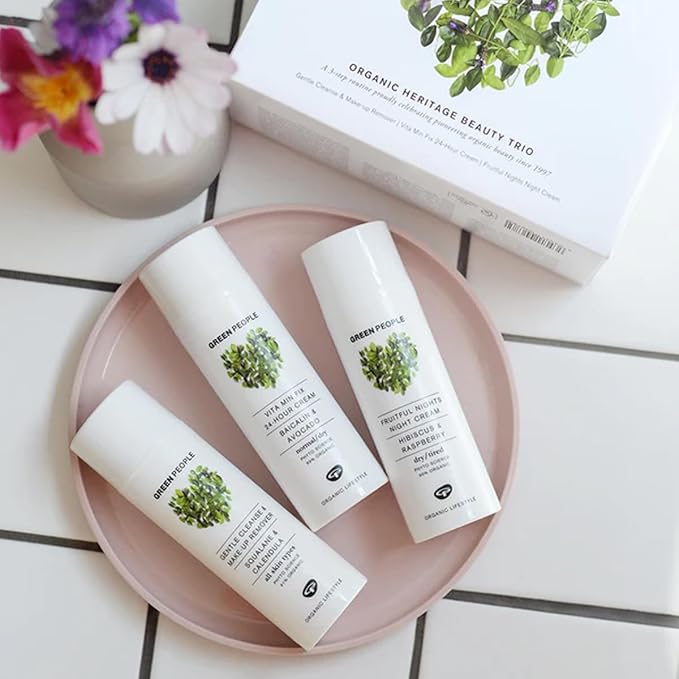
Clean skincare shouldn’t feel like a 15-step performance. As the clean beauty movement grows, more people are stepping back from constant layering and asking a simpler question: what actually supports skin health, without creating extra waste? In this Friendly Turtle EcoBlog guide, we break down what clean skincare really means, what to look for on ingredient labels, and how to build a sustainable self-care routine that’s realistic for everyday life. Expect practical, low-fuss advice: prioritising your skin barrier with a gentle cleanser, a nourishing moisturiser and daily SPF; avoiding the temptation to stack strong actives; and giving products time to work before swapping them out. We’ll also share small, eco-friendly habits that add up finishing what you already own, buying with intention, and choosing refillable or lower-waste options where possible so your routine feels calm, effective and kinder to the planet.

Read More
Natural Flea & Tick Protection: Essential Oils vs Pesticides

Natural Flea & Tick Protection: Essential Oils vs Pesticides

Fleas and ticks aren’t just a nuisance, they can trigger skin irritation, allergic reactions and, in some regions, carry disease. That’s why many pet owners end up weighing natural essential oils vs chemical pesticides for flea and tick protection. Essential-oil blends can be helpful as a repellent and part of a low-tox routine (especially for prevention and lighter-risk seasons), but they’re typically shorter-lived and less reliable for clearing an active infestation. Conventional treatments, by contrast, are formulated to kill fleas and ticks and often last weeks, yet they come with stricter handling rules and potential environmental residue. In this guide, the Friendly Turtle EcoBlog looks at what “works” really means: effectiveness, reapplication, pet safety (especially around cats), and how to reduce impact at home. You’ll also find practical, eco-minded steps like vacuum routines, wash cycles, and targeted use so you can protect your pet without defaulting to the harshest option every time.

Read More
Why Sustainable Water Cleaning Matters for Ecosystems

Why Sustainable Water Cleaning Matters for Ecosystems

Sustainable lake, reservoir and pond cleaning isn’t just about making water look clear it’s about protecting the life that depends on it. Harsh chemicals can disrupt fragile food chains, reduce oxygen levels and harm fish, amphibians and insects that keep ecosystems balanced. A lower-impact approach focuses on prevention and gentle intervention: monitoring water quality, tackling algae and biofilm early, and choosing methods that don’t leave toxic residues behind. Options such as ultrasonic treatment can help manage growth without dosing the whole waterbody with aggressive cleaners, but it’s often safest to work with experienced professionals who understand the site, the species and local regulations. At Friendly Turtle EcoBlog, we’re big on practical sustainability protect biodiversity first, reduce pollution at source, and keep waterways healthy for wildlife, pets and people. With the right plan, you can support cleaner water, safer habitats and long-term resilience.

Read More
Solar Payback Period: When Solar Panels Save Money

Solar Payback Period: When Solar Panels Save Money

Solar sounds like an easy win for both bills and the planet, but most homeowners still ask the same question: when does it actually start saving you money? This Friendly Turtle EcoBlog guide explains the solar payback period the point where your bill savings match the upfront cost of installation so you can weigh solar as a practical investment, not just a feel-good upgrade. We cover what shapes payback in the UK, including system size, daytime energy use, roof orientation and shading, electricity prices, and any incentives that may reduce costs. You’ll also find straightforward ways to shorten the timeline: optimise panel placement, consider battery storage where it fits your routine, track usage with smart meters, and keep panels performing with light maintenance. Beyond the numbers, we look at the wider benefits lower reliance on fossil fuels, more predictable household energy costs, and a calmer sense of energy independence that supports sustainable living long after installation day.

Read More
Eco-Friendly Bathroom Renovation: What to Consider

Eco-Friendly Bathroom Renovation: What to Consider

Bathroom renovations can feel like a money-and-time black hole, but they’re also a brilliant chance to cut waste and make your home genuinely more sustainable. An eco-friendly bathroom renovation starts with smarter water use: low-flow showerheads and dual-flush toilets can reduce daily water demand and lower the energy used for heating. If a bath is leaking, cracked, or badly rusted, replacing it with longer-lasting options (such as recycled acrylic or stone-style composites) can prevent repeat upgrades and unnecessary landfill. Materials matter too: recycled tiles, bamboo, or cork flooring can deliver a fresh look with a lighter footprint. Then there’s the easy energy win LED lighting and simple smart heating controls that stop you warming an empty room. Finally, plan the “after” before you start: repaint cabinets where possible, reuse fittings, and donate working appliances so your refresh doesn’t create a skip full of perfectly usable stuff. On the Friendly Turtle EcoBlog, we love practical, low-drama swaps like these small decisions that add up to a calmer home and a kinder impact.

Read More
How Sustainable Plumbing Supports Long-Term Environmental Goals

How Sustainable Plumbing Supports Long-Term Environmental Goals

Sustainable living doesn’t start and end with recycling bins or ditching single-use plastics. Some of the biggest wins happen quietly behind the walls of your home and plumbing is a brilliant example. From swapping wasteful fixtures for water-saving taps and low-flow showers, to insulating pipework so hot water stays hot for longer, small upgrades can reduce water use and cut the energy needed for heating. More households are also turning to smart water heaters, leak detection, and longer-lasting materials like copper or stainless steel to avoid frequent replacements and unnecessary waste. At Friendly Turtle EcoBlog, we love practical, low-impact changes that protect nature while making daily life easier. This guide explores how sustainable plumbing can support long-term environmental goals reducing pollution, lowering carbon footprints, and helping homes stay resilient as resources become more precious.

Read More