Travelling lightly is one of the easiest ways to shrink your footprint without losing the joy of discovery. A minimalist mindset keeps you focused on experiences rather than overpacking, overbuying, and rushing from place to place. Start with lower-impact transport where you can: trains, coaches, shared transfers, cycling, and walking all reduce emissions while helping you see more of the destination at street level. Pack with intention, not “just in case” fear. Choose neutral, mix and match layers, one comfortable pair of shoes you can walk in, and refillable toiletries (solid bars and travel decants work brilliantly). Bring a reusable bottle, a tote, and a small repair kit so you can fix small issues instead of replacing items mid-trip. Once you arrive, slow down and spend locally independent cafés, markets, and makers so your money supports the community rather than mass tourism. At Friendly Turtle EcoBlog, we love the idea that sustainability can feel calmer, not restrictive: fewer items, smarter choices, and more time to appreciate nature and culture. Travel less cluttered, and your memories become the souvenir.
Share your articles with us and get published! Reach out at hello@friendlyturtle.com.
4 Natural Oral Care Essentials Every Child Needs
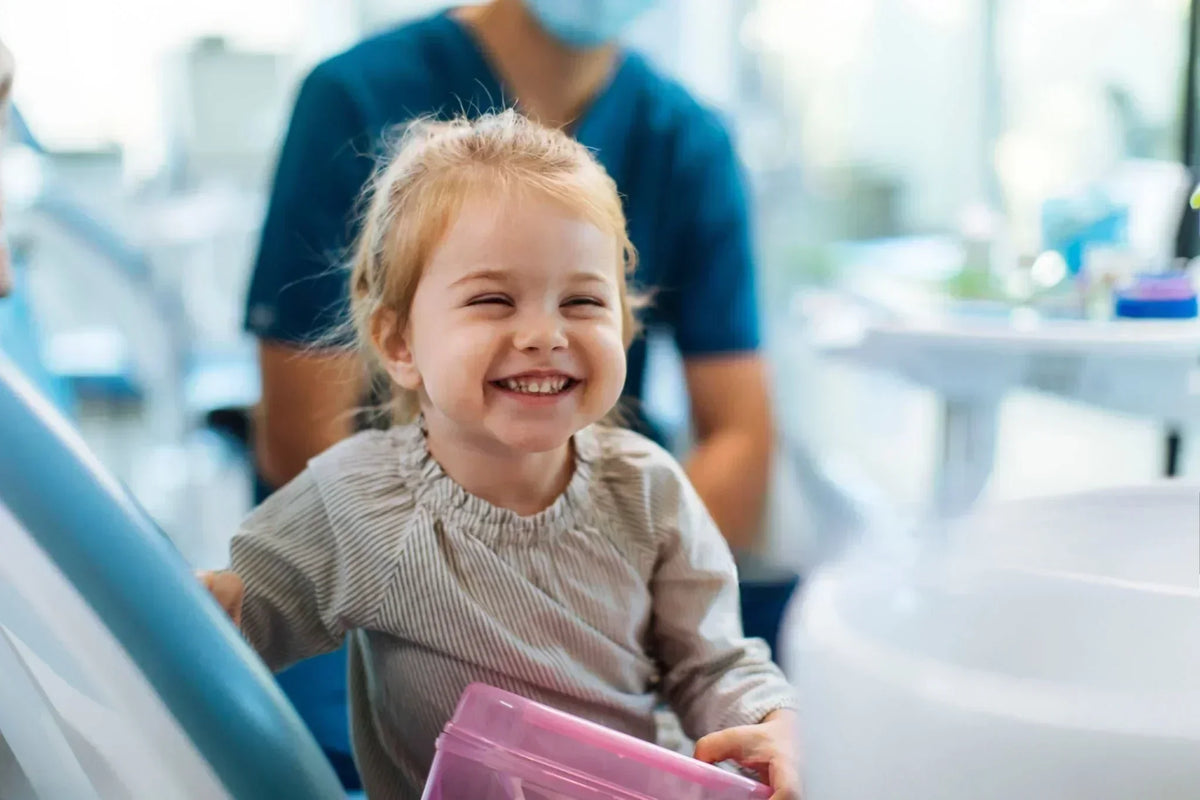
Starting from the beginning of life, dental health is just as important as other aspects of health. For children, it can be hard to get them to care about their own dental health, but with these four natural oral care essentials, you can get them set up for a life of good dental health.
1. Buy A Kid-Friendly Toothbrush
Nowadays, eco-friendly toothbrushes are all the rage as people try to prevent plastic waste as much as possible. Next time you are buying a toothbrush for your kids, look for children’s brushes made of bamboo or other natural materials. Many natural toothbrush companies now provide brushes in fun, kid-friendly designs. This will provide them with an eco-friendly and safe tool that they will be excited to use during teeth brushing time.
2. Regular Dental Check-Ups
It is recommended that every child has an oral health exam by the time they turn one or once their first teeth emerge. Check out family dentistry Buda to get a thorough pediatric dental exam for your child. Once they start going to the dentist, they should continue to go for cleanings every six months or so to check for cavities and prevent the buildup of plaque.
It is also important to make teeth brushing an important part of your child’s daily routine. Lead by example and brush your child’s teeth for them until they get the hang of it. This way, you can guarantee that their teeth are staying clean. The cleaner you keep them, the less money you will have to spend on filling cavities.
As children grow and their adult teeth develop, some may require orthodontic evaluations to address spacing or alignment concerns. In such cases, options like modern braces solutions in Fort Lauderdale can be part of a long-term oral care plan.
3. Use Flouride Toothpaste
Fluoride is a mineral naturally found in the soil and water. It strengthens tooth enamel so that teeth can stay strong. Enamel is a part of the teeth that when it's gone, does not grow back, so keeping it is important from a young age. It is especially important to encourage your child to use fluoride toothpaste once their baby teeth have fallen out and their adult teeth grow in because they will have those for the rest of their lives. Fluoride can be found in many kinds of children’s toothpaste, so make sure to read the label before buying a tube to make sure you are buying one that will help to keep their enamel.

4. Feed Them a Healthy Diet
Certain foods are better for dental health than others. Because teeth are made of calcium, foods like cheese, milk, yogurt, and broccoli are great for building strong teeth. Protein-rich foods like nuts, chicken, white fish, and turkey are also important for dental health because they can strengthen tooth enamel. Eating foods low in sugar is also important as your child grows and learns about dental health because the more sugar they eat, the more likely they are to get a cavity. Replace sugary snacks with foods like carrots and multivitamin as they will keep your child’s teeth strong.
Oral health is important for children as they learn how to take care of themselves. With your guidance, they will be set up with great oral hygiene habits and ready to have a long life with all of their teeth intact.
0 comments
Let customers speak for us
Blog posts
First-time visitors to Georgia often want a clear, stress-free introduction that balances culture, nature and everyday comfort. Many begin in Tbilisi, where the airport sits close to the city centre and the compact Old Town allows easy walking between the sulphur baths, Narikala cable car and riverside viewpoints. Sustainable travel here means choosing walkable routes, local cafés and small hotels that support the community. Short trips to Mtskheta add historical depth without long drives, while Kakheti introduces wine traditions through slower, guided visits that reduce unnecessary transport. Some travellers combine Tbilisi with Batumi, using efficient internal travel rather than multiple flights. At Friendly Turtle EcoBlog, we encourage first-time visitors to travel Georgia responsibly by pacing itineraries, staying in family-run guesthouses, joining small-group tours and respecting local ecosystems. These mindful choices help reduce environmental impact while still offering a rich, authentic experience of Georgia’s cities, landscapes and traditions.
A calm, multifunctional garden can be more than a pretty backdrop it can become a practical extension of your home that supports slow mornings, outdoor meals, and genuine downtime. In this Friendly Turtle EcoBlog guide, we look at simple, sustainable ways to shape an outdoor space that feels organised, welcoming, and easy to use throughout the week. Start by creating clear “zones”: a quiet seating corner for reading, a dining spot for relaxed lunches, and a flexible open area for play or potting. Light-touch structures, such as an airy pergola or a sheltered veranda, add definition without blocking daylight, making the garden usable in changeable weather. Keep the mood restful with layered planting: evergreens for year-round structure, seasonal flowers for colour, and lightly scented herbs near paths. Choose reclaimed or recycled materials where possible, add soft warm lighting, and reduce water waste with mulch and a simple rainwater butt. The result is a garden that feels calm, functional, and kinder to the planet.
