In recent times, more and more businesses have decided to use more sustainable manufacturing options so that they can reduce their negative influence on the world. Also, those companies realize that we are heading that way and that most likely many countries will enforce changes to all businesses to make them more sustainable. In-motion checkweighing has contributed many things that help companies be more sustainable while also being more efficient.
Sustainability in manufacturing
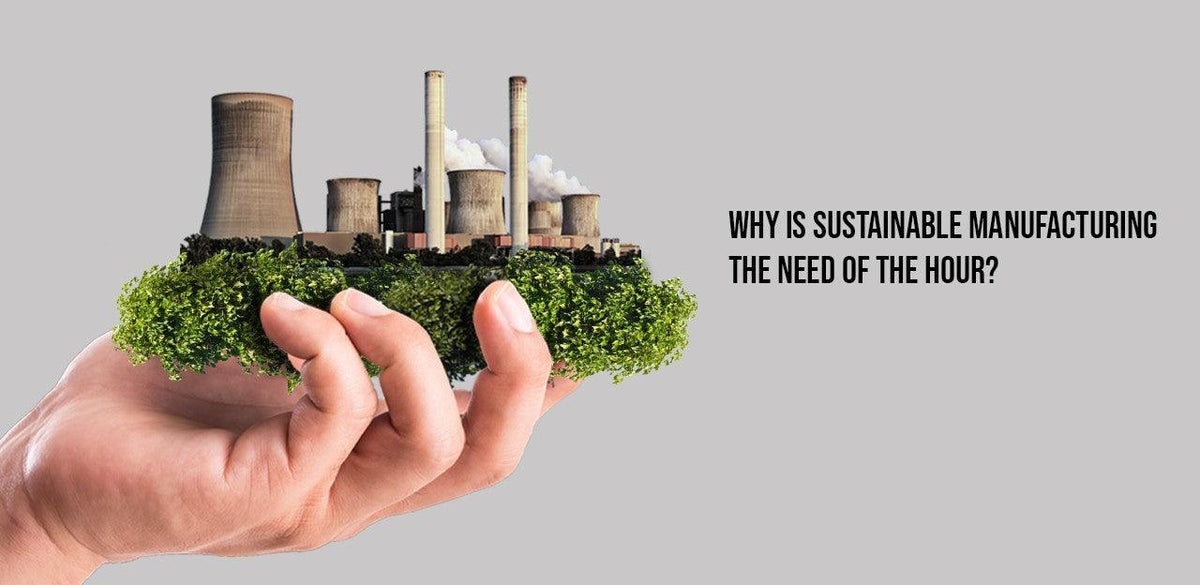
Sustainable manufacturing helps to minimize environmental effects, conserve energy and natural resources, and ensure economic viability. This strategy helps in waste reduction, renewable energy use, and process improvements. If companies incorporate sustainability into their production, they will satisfy the needs of both their customers and government agencies without compromising their income and the quality of their products. Also, they will be more environmentally responsible this way, which is a major plus.
Quality control
Your company needs precise weight measurements if you want to ensure product quality. Industries such as food and pharmaceuticals can greatly benefit from these tools because of the high-precision measurements they provide. If you want to learn more about these processes, you can click here and check out how to use in-motion check weighing. These systems also reduce the risks of under or overfilling as they constantly check product weights throughout the whole manufacturing process. This helps companies avoid hefty legal fines and losing their reputation if they don’t meet the necessary regulations. In-motion check weighing is important for maintaining consistent quality, as it reduces the chances of expensive mistakes, since if anything is not properly measured, it fixes it immediately while still in the manufacturing process. This results in less material waste and faster production of goods.
The production process is more streamlined
What is great with technology like this is that you will get a device that will allow you to make products much faster because you do not need to measure each ingredient separately and add them but the device will do that for you. Every business needs to find better ways to streamline their operations and without a doubt, this device offers that. Also, when working with it you won’t have errors like when people do the same job, it will make sure that you have the right measure every time unless there is a fault in the code, which happens rarely.
Waste reduction
Since this device measures the right amount of material used for every product made, that means that you are not wasting anything when it comes to producing your products. We all know that these materials won’t exist forever so we must use them correctly. Also, since it is precise when measuring, that means that you spend less money on material, which subsequently results in lower manufacturing costs and more money in your pocket. So this device has two purposes. One is that you reduce the amount of waste and the second is that you get to earn more.
Make sure that you set up everything correctly
Many times people put these devices at the fastest possible speed and most times that is too fast for the rest of their system. You need to adapt it so that everything can run smoothly. If you do not do that correctly, then that will result in the device negatively impacting the system because of the build-up that it is causing. If you do not know how to do that properly, then you will have to hire someone to do that for you.
Train your staff
If you want your system to work well, you will have to train the staff accordingly to maintain the device properly. The whole manufacturing process will stand still if you have to bring in help every time something goes wrong with the system.
Energy efficiency
In-motion check weighing systems also contribute to production energy efficiency. They minimize energy consumption and are a great alternative to standard weighing systems. In-motion systems also decrease operational costs and carbon footprints as they keep a consistent workflow. They are in line with all sustainability company goals, and because of this, businesses that care for their environment and want to be more efficient should consider these systems as a strategic investment that will pay off in the long run and bring many benefits.
In-motion check weighing systems contribute to waste reduction, energy savings, and efficiency, and they are quite an environmentally friendly solution. Your company can improve product quality and productivity with these systems while making sure all of your eco-friendly and sustainable goals are taken into account.



0 comments