A well-manicured lawn can add a lot of value to your home. It can also improve your neighborhood’s appearance. Lawn care is an American tradition, so if you are fortunate enough to own a house that has its own front yard, now’s the time to start taking care of it. However, if you are new to gardening, the chances are you won’t know what pieces of equipment you need. This post will help you by telling you about some of the most important ones, so you can get started taking care of your lawn.
Electric Chainsaws
A lot of people underestimate the amount of work that goes into taking care of a front yard. There’s a lot more to think about than just your lawn. The chances are you have all manner of flowers, shrubs, and trees growing there. An electric chainsaw can be used to reduce branches on trees, cut trees down, and shear hedges. There are different types of chainsaws, according to the manufacturers of Worx electric chainsaws, so shop around and find the type that’s right for you. You can buy gas-powered, corded electric, cordless electric, and pole chainsaws, among others. Any queries you have should be directed to a retailer that specializes in selling chainsaws since they are in the best position to help you. You can also use chainsaws to cut back long grass, so if your garden is a little overgrown, a chainsaw is the obvious choice.
Lawnmowers
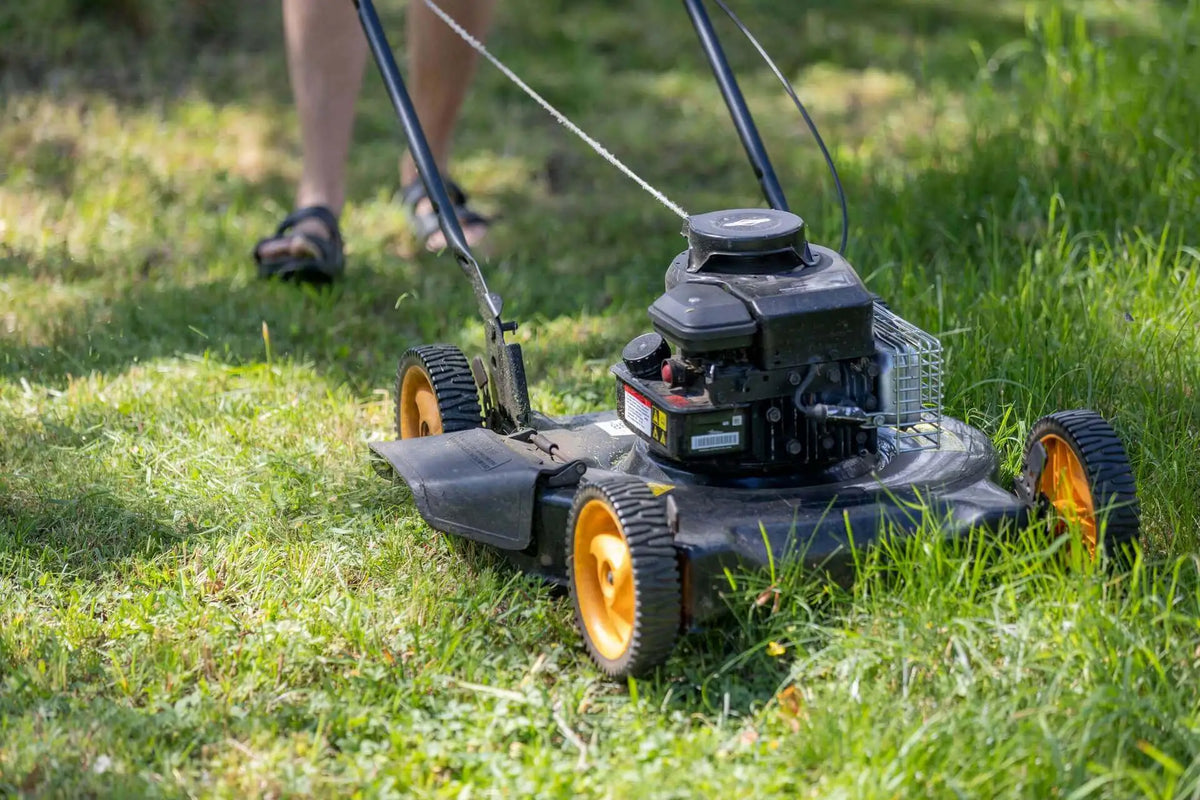
Lawnmowers are another essential bit of equipment, for obvious reasons. The good thing about lawnmowers is that they come in many different shapes and sizes. No matter how big your yard is or how overgrown it is, there will be a lawnmower that’s right for you. You can buy them on the second-hand market if you do not have enough money to pay upfront. Many retailers also offer pay-in-three at checkout, which allows you to break down the cost of expensive garden appliances into more affordable monthly installments. Paying over three months spreads the cost of your purchase, which can save you money in the short term. Make sure that if you do buy a brand-new lawnmower, you read its reviews first. A lawnmower’s reviews can tell you a lot about it and will highlight any positives or negatives of owning it, so take a look prior to purchase.
Leaf Blowers
Autumn’s almost upon us. Even if you don’t have trees in your yard, you are guaranteed to find leaves on your lawn. Whether they blow over from a neighbor’s yard or just from the street, they are bound to accumulate. Some people find removing leaves to be the most difficult part of lawn care. This is because they are used to antiquated leaf removal methods, i.e., rakes and brooms. Leaf blowers are much more effective and fun to use. They are also widely available, which means you can buy them second-hand if you do not have the money to pay upfront. Always test second-hand buys out prior to purchase, just so you can be sure they work properly.
Lawn Edger
A lawn edger will make it possible for you to create clean, defined edges along your property lines. The use of lawn edgers is becoming more and more popular, with people taking greater care of their lawns than ever before. There is also massive demand for lawn care content on the internet today, so if you have the means to buy a lawn edger, demonstrating how it works on YouTube or other video streaming platforms could be an effective way to establish yourself as an influencer in the gardening niche. If you think a lawn edger is unnecessary, you could use garden shears instead. Garden shears don’t cut as cleanly, but they are still an effective way to trim the edges of your lawn. You can finish your edges with a pair of scissors if you want a really clean look.
Basic Hand Tools
As well as the electric tools mentioned here, there are some basic hand tools you will need for pruning and standard lawn care. Even if you have all of the tools listed so far, there are jobs that can only be done by hand. Here are some tools you need:
-
Garden Shears. Garden shears can be used to trim, prune, and cut overhanging branches.
-
Rake. A rake can be used to keep your garden clear of leaves or other debris.
-
Broom. You need a broom to brush dust and dirt away from your walkway or patio.
-
Hand Trowel. Hand trowels can be used for digging small holes.
-
Garden Fork. Garden forks are typically used for dislodging rocks or softening soil.
You could argue that your home is a reflection of yourself. If you agree that it is, then start taking care of it. Don’t just focus on its interior, though, focus on its exterior, too. Hopefully, the guidance given here will help you to start doing that.



0 comments