Hidden plastic can be found in an everyday product that many people never question: tea bags. In this Friendly Turtle EcoBlog, we explore what tea bags are really made from, why some contain polypropylene, nylon or PET, and how to identify genuinely plastic-free alternatives with confidence. You'll learn how to check the packaging, recognise different tea bag materials, understand the difference between compostable, home-compostable and biodegradable claims, and discover why loose-leaf tea is often the most sustainable option. We also examine the latest research surrounding microplastics released during brewing, helping separate established facts from ongoing scientific discussion. Whether you prefer the convenience of tea bags or are thinking about switching to a reusable infuser, there are simple ways to reduce unnecessary plastic without compromising on flavour or convenience. From choosing certified plastic-free tea bags to brewing loose-leaf tea in a reusable infuser, this guide explains how one small everyday change can help reduce waste, support more sustainable habits and make every cup of tea a little kinder to the planet.
Share your articles with us and get published! Reach out at hello@friendlyturtle.com.
Reusable Bags - Answer to Your Environmental Concerns
Pollution is one of the biggest threats humans have ever faced, and we believe its everyone’s responsibility to take care of this planet we all call home.
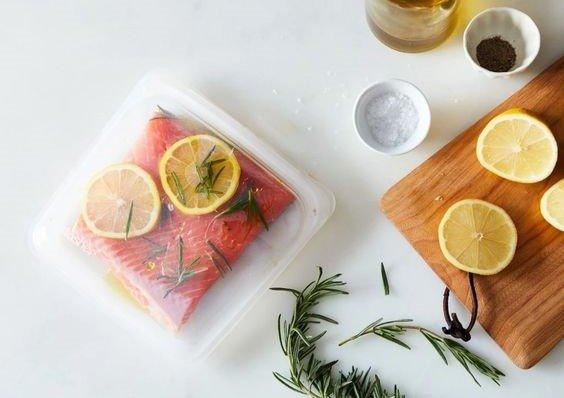
Reusable sandwich bags are an excellent option for those who want to make the Earth a better place for ourselves, and the generations to come. These bags are made using rescued plastic bottles (one of the biggest contributors to plastic waste in our oceans), silicone, and organic cotton, among other materials, which are eco-friendly and entirely sustainable and recyclable.
Useful for a Variety of Purposes
The strength and aesthetics of the reusable silicone bags are not only super functional, but they look great as well. They are your reliable counterparts, whether you have to pack and carry your lunches to your workplace, when you need to shop at the supermarket and purchase foods over the counter, of simply when you need to pack up your leftovers for the next day. The bags can be used on any occasion when you might usually reach for a single use plastic bag, eliminating the single-use culture that’s endemic in our current time.
Strong and Long Lasting
The reusable sandwich bags are made to last and can carry everything from heavy foods to liquids thanks to its airtight seal. Plastic bags can easily tear and break, something you wont have any issues with when using a reusable pouch. Ditch the single use plastics and opt for something long lasting that can be reused time and time again.
Other Qualities and Features
The reusable silicone bags are lightweight and airtight, which means you can even carry yeaterdays leftover soup in your pouch! With an affordable price and ease of shopping, its no wonder our silicone bags are such a hit with our customers.
New reusable bags are available online through the click of a mouse, with 2 different sizes available. Being both eco-friendly and ethical, perhaps it’s time to pick one up yourself.
0 comments
Let customers speak for us
Blog posts
A long-distance moving day can feel overwhelming, but careful preparation makes the process far easier to manage. From confirming arrival times and protecting important documents to labelling boxes clearly and preparing a first-night kit, every small decision helps reduce delays, confusion and unnecessary stress. In this Friendly Turtle EcoBlog guide, we explain what to expect during pickup, loading, transit and delivery, while sharing practical long-distance moving tips for a more organised relocation. Keeping medication, identification, chargers, valuables and essential household items with you can prevent important belongings from disappearing into the moving truck. Photographing boxes, recording valuable items and checking paperwork carefully also creates a useful record in case anything is lost or damaged. Preparing clear walkways, arranging access and keeping children or pets away from busy areas allows the moving team to work more safely and efficiently. Thoughtful planning can also reduce waste by helping you avoid duplicate purchases, damaged belongings and unnecessary packing materials. With a reliable moving day checklist, clear communication and realistic expectations, your long-distance relocation can feel calmer, safer and far more manageable from the first packed box to the final delivery.
Zero-waste living is often presented as a simple matter of commitment, but many sustainable habits depend on time, planning, physical ability and reliable executive function. Refill shopping, preparing containers, cooking from scratch and remembering reusable items may feel manageable for some people while creating genuine barriers for disabled and neurodivergent individuals. In this Friendly Turtle EcoBlog discussion, we explore why accessible zero-waste living must account for different levels of energy, memory, mobility and sensory tolerance. Convenience products such as pre-cut food, plastic straws or disposable tableware are frequently criticised, yet they can make daily life safer and more manageable for people who need them. Inclusive sustainability should focus on reducing waste without turning convenience into a moral failure. Flexible systems, simpler routines and realistic alternatives can help more people participate in environmentally responsible habits. Progress might mean using one reusable bottle, following a weekly shopping routine or choosing low-effort options that prevent food waste. By designing sustainable products, refill schemes and community initiatives around real human needs, the environmental movement can become more practical, compassionate and effective for everyone.