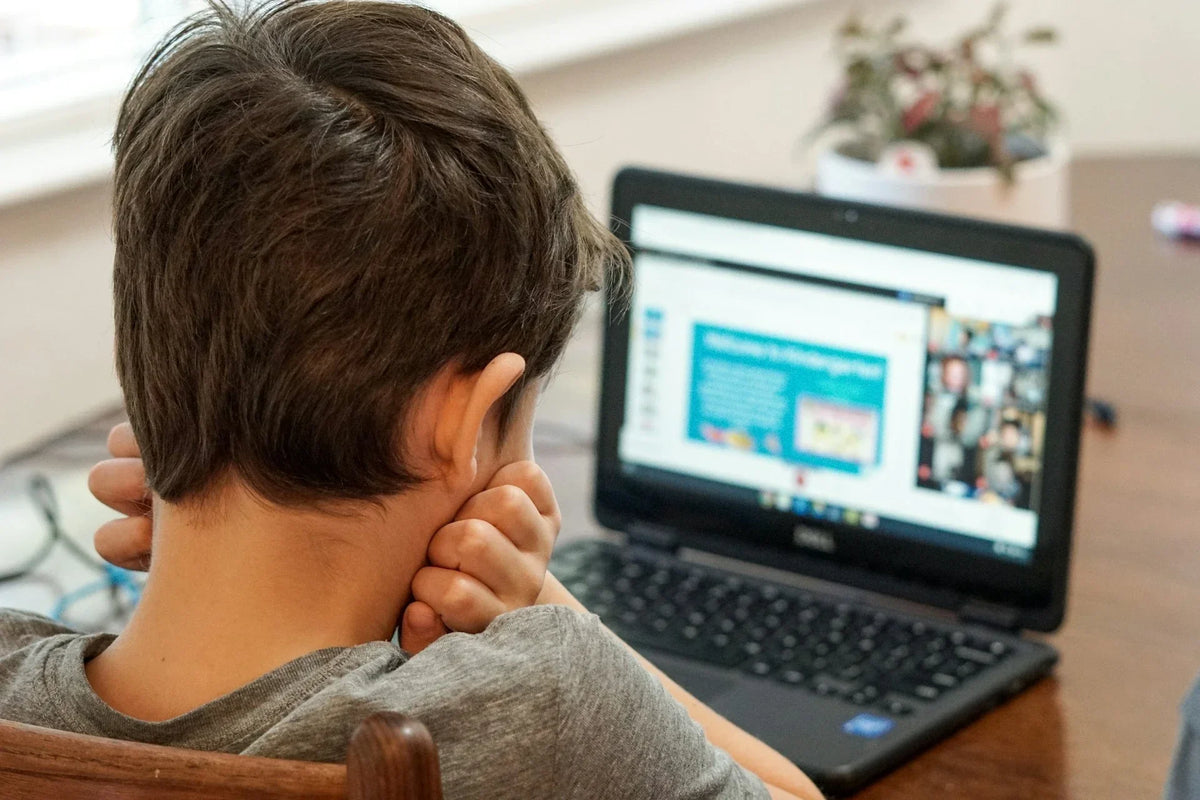
Education is the ticket to reaching your destinations in life – dream job, house, car, and other things you aspire. In the future, sustainability will be an indispensable addition to these destinations. We’re living on finite resources, we still use non-renewable energy, and we’re at a point where climate change inches closer, so it’s high time the education sector rethinks its practices. Online learning gained significant traction during the COVID-19 pandemic, and education administrators concurrently discovered one thing: This setup is not only flexible and accessible but also eco-friendly. Here, we’ll explore key roles that online learning plays in advancing sustainable education and why it’s more than just a trend.
Reducing Environmental Impact
Some people may wonder how traditional classroom education impacts the environment. While the direct effects of schools on the environment aren’t apparent, the everyday, indirect activities that are contributors are daily commuting, extensive paper usage, and energy-intensive campus operations. The shift to a virtual format gives a short breather to the environment by minimizing or eliminating carbon-heavy processes associated with schools. Whether it’s a virtual academy based in Texas, California, New York, or Florida, online learning channels allow learners dispersed across their respective states to access quality education. There’s no need to leave home and do daily school runs, reducing greenhouse gas emissions from transportation. Learners don’t have to physically turn in paper-written assignments and can simply answer digital examinations and assignments.
Expanding Access to Quality Education
Sustainable education via online learning breaks geographical boundaries by creating inclusive and equitable systems. Students living in the fringes of a city or state or in underserved, rural, or remote areas do not get equal access to high-quality teachers and resources as those in cities. Virtual learning extends this accessibility to students with disabilities, working students, and learners with nontraditional schedules. The sustainability aspect of online education is not only environmental but also social, allowing students to pursue education in a way that fits their unique needs.
Promoting Lifelong Learning and Digital Literacy
Sustainability also pertains to learning – equipping students with knowledge, skills, and values that make them adaptive and self-sufficient for the rest of their lives. Online education reinforces this by fashioning lifelong learning as more accessible and appealing to people of all ages. So, whether you’re a high school student exploring college degrees focusing on environmental science or a professional learning about renewable energy, there are online platforms that offer diverse courses. Does education stop when your career ends? No. Even if you’re a retiree wanting to add skills to your repertoire, exploring the internet lets you find resources that make continuous education both possible and practical. An education system emphasizing lifelong learning is a key driver that leads society to be more informed, adaptable, and challenge-ready.
Supporting Innovative and Efficient Learning Models
In sustainable education, the teaching methodologies and learning models don’t have to be rigid and inflexible; they should be malleable enough to adjust to the learning trends in students. Exploring online learning platforms enables schools and educators to adopt more efficient and adaptive teaching methods. The abundance of resources online can help them be more creative with their teaching approaches by incorporating real-time quizzes, game-based learning, mind maps, infographics, and collaborative tools. Remedial instruction can also be made more engaging with AI-powered tutoring tools that personalize teachers’ instructions to suit the individual needs of students. These innovations reduce unproductive time and resources resulting from inefficient or outdated teaching methods by encouraging students to learn faster and more effectively. Adjusting online learning models is also easier, as teachers can readily identify and address learning gaps more quickly. The sustainability in these models stems from maximizing educational impact with fewer resources.
Encouraging Global Collaboration and Environmental Awareness
The geographical barriers broken by online learning extend far beyond cities and states it expands nationally and globally. Students can learn and interact with peers across the country or even around the world and jointly work on projects related to sustainability, science, or culture. This global embrace of online education exposes learners to diverse perspectives, cultivating a deeper understanding of global issues and a mindset of shared responsibility. Students achieve a renewed viewpoint when they engage in cross-cultural discussions about climate change, renewable energy, and conservation. The learning experience from this international connection goes beyond being academic – it becomes a compilation of knowledge that nurtures learners to become more conscious citizens of the world.

It’s high time that mindfulness of our planet’s future is included in our educational systems. Sustainable education embodies this movement by creating learning environments that promote inclusivity, efficiency, and sustainability. Online learning takes a distinct position that supports these goals by offering an adaptable educational model that’s accessible and engenders eco-friendliness. As more families, educators, and institutions recognize the environmental and social benefits of virtual learning, this approach becomes a holistic, sustainable solution that propels education forward to a greener future.