Knitting for your grandbaby is more than just a hobby it’s a beautiful way to express love, create lasting memories, and pass down traditions. There’s something incredibly special about making something by hand, especially for a little one who hasn’t even arrived yet. Every stitch is a symbol of your care and excitement, and it creates a bond between you and your grandchild that words alone can’t capture. Let’s explore why knitting for grandbabies is such a meaningful and rewarding experience, and how it connects generations in a truly unique way.
A Family Tradition Reimagined
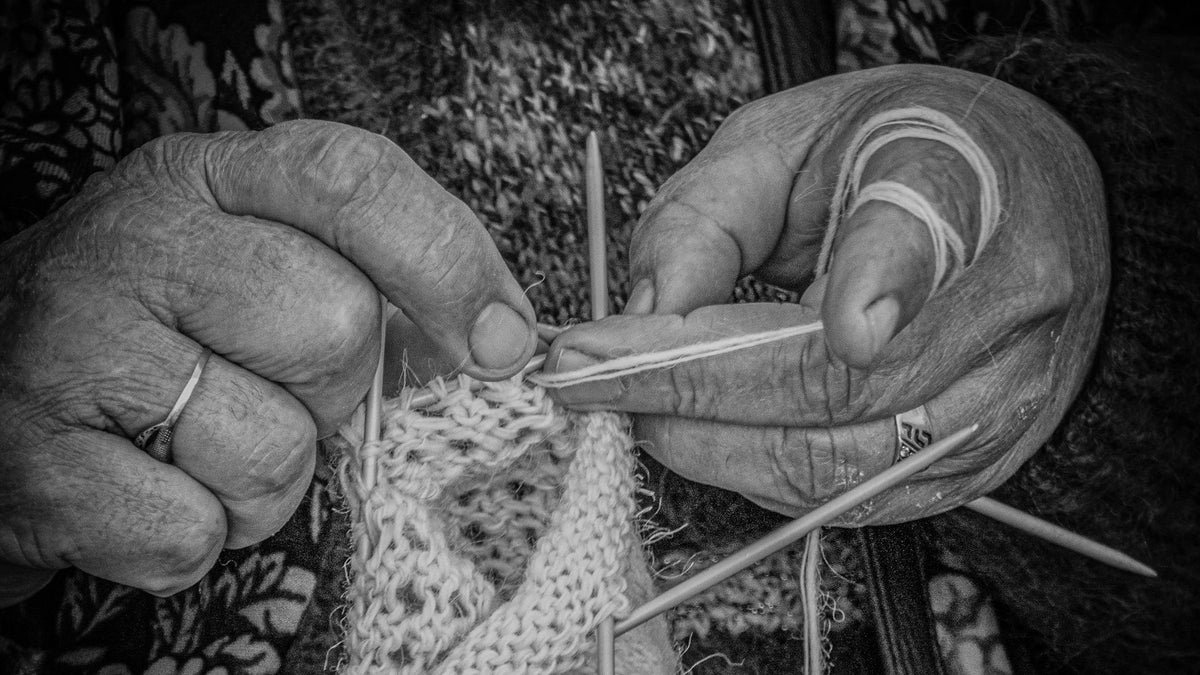
Knitting has always been a craft passed down from one generation to the next, whether it’s from mother to daughter or grandmother to granddaughter. In many families, knitting was a tradition that symbolised both practicality and love. Today, reviving this tradition can be a way of connecting with your own family history while creating new memories. Think of it as continuing a family legacy, where your own knitting journey becomes part of the story you share with your grandchild. You might even find yourself telling them how you learned to knit from your own mother, keeping the family bond alive through generations of yarn and needles.
Benefits for Baby
When it comes to baby clothes, nothing beats the softness and care that a hand-knitted item provides. Knitted baby clothes are incredibly gentle on a newborn's delicate skin, unlike many mass-produced items that might irritate or feel rough. The natural fibres used in knitting such as cotton, merino wool, or bamboo are breathable and safe for babies, offering them comfort and warmth without overheating. Plus, knitting allows you to create the perfect fit for your grandbaby, adjusting sizes as they grow. The joy of watching them wear something you made just for them is unmatched. Create cute and cosy baby clothes today.
Knitting as a Calming Ritual
One of the hidden joys of knitting is how soothing it can be. For many, knitting serves as a calming ritual, especially during the moments of anticipation before your grandbaby arrives. There’s something incredibly peaceful about sitting down with a cup of tea, a ball of yarn, and needles in hand, quietly creating something meaningful. Whether you’re waiting for the arrival of a new family member or simply enjoying a moment of quiet reflection, knitting gives you a sense of purpose and tranquility. It’s a perfect way to channel your excitement and turn your energy into something beautiful for the baby.
Keepsakes That Last a Lifetime
Hand-knitted items aren’t just for today they’re for tomorrow, too. Knitted baby clothes and blankets have a timeless quality, and many become cherished heirlooms passed down through generations. The knitted blanket you made for your grandbaby could one day be wrapped around their child, creating a tradition that spans the years. Personalising knitted items whether with a monogram, birth date, or special colour adds an extra layer of sentiment. These small details transform a simple piece of clothing into a precious keepsake that your family will treasure for years to come.
Thoughtful Gift-Giving
Knitted gifts stand out because they show that you’ve put time, effort, and love into making something unique for the baby. At baby showers, where gifts can often be mass-produced and impersonal, a handmade knitted item is a thoughtful, personal gesture that stands out. From cosy little hats and booties to soft blankets and cardigans, knitted baby clothes are always well-received. And there’s something truly special about knowing that you, as a grandparent, were the one who created that perfect gift. Plus, knitting offers endless possibilities for custom gift sets, whether you’re making matching hat and bootie sets or creating a whole wardrobe of knitted essentials for the baby.
Conclusion
Knitting for your grandbaby is a labour of love that goes beyond simply creating something for them to wear. It’s an opportunity to weave your own story into the fabric of their life and to create lasting memories and heirlooms that will be treasured for generations. Whether you’re knitting a simple baby blanket or an intricate little sweater, each stitch is a reminder of the love you’ve poured into it. So, if you’re thinking about starting a knitting project for your grandbaby, don’t hesitate it’s one of the most meaningful and rewarding things you can do.



0 comments