Beauty’s a personal thing it’s how you feel in your skin, the mirror’s nod of approval, the little rituals that lift your day. But these days, it’s more than skin deep. People want treatments that don’t just make them glow but also sit right with their conscience. Think cruelty-free, eco-friendly, or just plain kind to animals, the planet, and even the folks making it happen.
Ethical beauty isn’t a buzzword; it’s a shift toward choices that match your values without skimping on results. It’s about finding that sweet spot where looking good and doing good collide, turning a spa day into a statement.
Gentle Glow with Nano Infusion
Consider a treatment like nano infusion it’s a perfect poster child for ethical beauty done right. Picture this: tiny needles, finer than a whisper, nudging serums into your skin without the poke-and-prod of old-school methods. It’s not about tearing things up to rebuild; it’s a gentler nudge boosting hydration or tackling fine lines with minimal fuss.
Pair it with clean, plant-based serums, and you’ve got a win: no harsh chemicals, no animal testing, just results that feel as good as they look. It’s a small tweak with big vibes, proving you don’t need to compromise ethics for a radiant face.
Cruelty-Free, Inside and Out
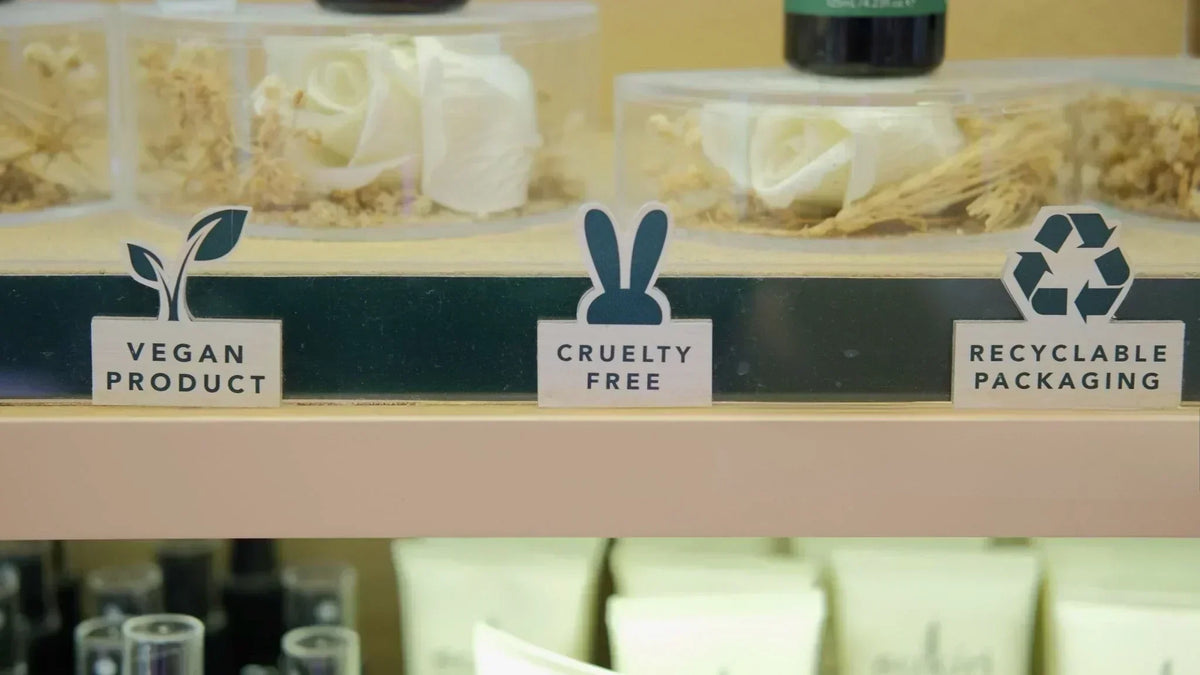
The old days of beauty meant guinea pigs literal ones taking the hit for our vanity. Not anymore. Ethical treatments ditch the animal testing cage for lab-grown alternatives or nature’s own stash. Think vegan masks packed with aloe or balms brewed from shea butter, sourced fair and square.
It’s not just about skipping bunnies; it’s about what’s in the jar ingredients that don’t leave a trail of harm. Pick a spot that brags about its cruelty-free creds, and you’re not just pampering your skin you’re voting with your wallet for a kinder world.
Planet-Friendly Pampering
Beauty’s got a dirty secret: all those jars, tubes, and wrappers can pile up like a landfill’s bad dream. Ethical treatments flip that script. Look for setups using biodegradable packaging, refillable pods, or serums in glass droppers that don’t clog the earth.
Brands are catching on think lush masks in compostable packs or scrubs from upcycled coffee grounds. It’s not just packaging; it’s the process water-saving facials or energy-light tools. Go for a spa that’s green-leaning, and your glow-up’s got a lighter footprint, proving pretty doesn’t have to destroy the planet.
Fair Hands, Fair Faces
Who’s behind your beauty fix? Ethical treatments dig into that too. It’s about the folks picking the lavender or pressing the oils fair wages, safe workplaces, no sweatshop vibes. Picture a mask made with cocoa butter from a co-op that pays farmers right, or a peel from a brand that trains women in trade skills. It’s not charity; it’s respect knowing your dewy cheeks didn’t come off someone else’s back. Seek out spots that promote fair trade or local sourcing, and you’re lifting more than your own spirits.
Clean and Honest Ingredients
Ever squint at a label and wonder what half that stuff even is? Ethical beauty keeps it real ingredients you can pronounce, or at least trust. Think botanical oils over synthetic goop, or clays pulled straight from the earth, not a chem lab. It’s not about being perfect; it’s about dodging the shady stuff parabens, phthalates, the works.
Treatments like nano infusion shine here pair them with serums that list every drop, and you’re not just glowing; you’re in the know. Pick a place that’s upfront about what’s touching your face, and it’s a win for body and soul.
Less Waste, More Grace
Beauty can be a throwaway game single-use wipes, plastic-heavy kits, gone in a flash. Ethical treatments lean the other way: reusable pads for your toner, or a facial with tools that last. Think masks you mix yourself from powder and water no extra packaging or a scrub in a jar you refill. It’s not preachy; it’s practical less junk, more joy. Look for a salon that’s into zero-waste vibes, and your routine’s not just chic it’s lean, keeping the earth as fresh as your skin.
Values Over Vanity
Here’s the kicker: ethical beauty’s not about guilt-tripping you into granola-crunching sainthood. It’s about lining up what you love feeling good, looking sharp with what you stand for. Maybe you’re all about animal rights, so you skip the collagen boosters for plant peptides. Or you’re a green thumb, so you chase low-impact facials.
It’s not all-or-nothing; it’s picking what clicks maybe a cruelty-free peel today, a fair-trade mask tomorrow. The right treatment’s a mirror: it reflects you, not just your face.
Your Glow, Your Way
Ethical beauty’s a buffet grab what fits your plate. Love a luxe feel? Go for a botanical wrap that’s kind to the bees. Big on justice? Snag a scrub from a brand that pays its pickers fair. It’s not about rules; it’s about vibe treatments that deliver without the baggage. From nano infusion’s gentle nudge to a zero-waste cleanse, you’re not just chasing pretty you’re building a routine that’s as solid as your principles. Pick right, and every glow’s a little victory, inside and out.



0 comments