For many of us, the day begins with a fresh brew, but our coffee routine is tied to a global supply chain that affects people, forests, water, and climate. This EcoBlog guide breaks down what “sustainable coffee” really means: supporting smallholder farmers, choosing roasters with transparent sourcing, and looking for credible standards such as Fairtrade, Rainforest Alliance, and organic certification (while staying alert to greenwashing). You’ll learn why climate change is already reshaping growing regions, why fair pay matters, and how models that return value to farming communities can help create long-term resilience. We also share easy, low-waste brewing upgrades buy whole beans in bulk, pick reusable methods like a French press or pour-over, compost your grounds, and carry a reusable cup for takeaways. At Friendly Turtle EcoBlog, we love practical sustainability: small daily choices that add up to real impact, without losing the joy of your morning coffee.
Share your articles with us and get published! Reach out at hello@friendlyturtle.com.
Why Reusable Water Bottles in the UK Are Going To Save Us From Drowing In Plastic Waste
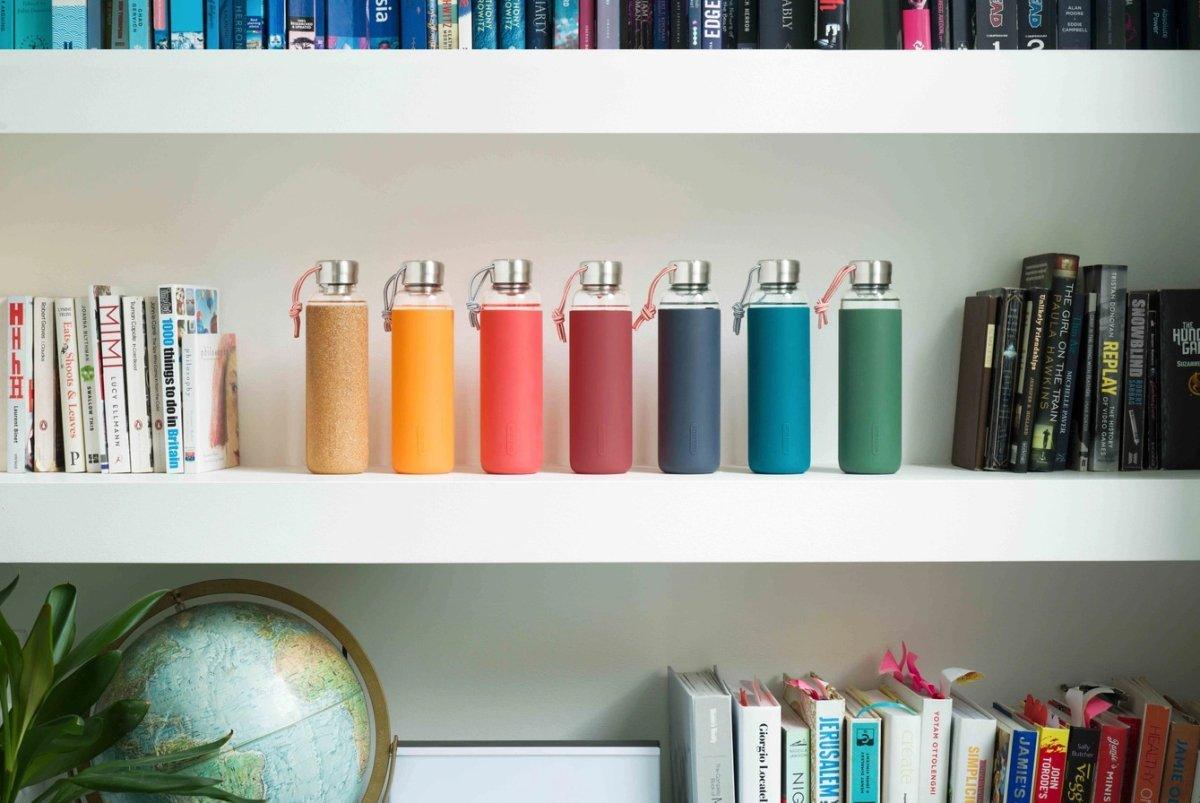
Reusable water bottles in the UK are trendy, and their popularity is only growing. They are loved by people of all ages because they are practical and help us reduce waste. Reusable bottles are great for the environment and help us to eliminate those pesky plastic bottles riddled across the chilled shelves at your local corner shop. Sure, these chilled, plastic bottles offer short-term convenience, but they have a long-term impact on this planet that we all call home.
You are probably aware that plastic is toxic and bad for the environment. But you may not realise just how much harm plastic water bottles are causing. Here are the three most shocking facts after plastic bottle waste
- Every minute, one million plastic bottles are being purchased around the world. According to sources, this number will jump by another 21% by the end of this year.
- It takes a few minutes to finish the average size of a plastic bottled drink. But it takes over four hundred years for it to decompose.
- In the UK, 43% of plastic bottles do not end up at recycling facilities. That's approximately 5.5 billion bottles that end up going to land fill every single year
As simple as it may seem, switching to reusable water bottles in the UK can be a big step towards protecting and preserving the environment. Carrying reusable tumblers instead of purchasing your cold beverages in a single-use plastic bottle is a little sacrifice that everyone could do to help reduce our impacts on the environment.
That being said, you must know that not all reusable water bottles in the UK are actually environment-friendly and safe for your health. If you are on your way to buy one, kindly keep these tips in mind.
Make sure it's non-toxic and BPA-free
Some reusable tumblers and water bottle are actually made with a stronger type of plastic. They can be reused multiple times, however, they can contain harmful chemicals such as Bisphenol-a or BPA, which can impact on your health. So when buying a reusable water bottle in the UK, make sure it's non-toxic and BPA-free.
Choose insulated bottles or tumblers
If you want to keep your drinks cold or hot for a longer time, go for an insulated bottle or tumbler. They are the perfect containers for your tea and iced coffee and youll appreciate them that little bit more when you have a cold drink to hand on those hot days on the morning commuter train to work!
0 comments
Let customers speak for us
Blog posts
Party invites can pile up in the same week, and outfit stress follows fast. This guide shows how to style sustainable holiday looks without buying a brand-new wardrobe: start with one reliable base (a slip dress, tailored trousers, or a knit set), then shift the vibe with layers, shoes, and one statement accessory. You’ll also learn which fabrics tend to wear better through long nights (think cotton velvet, wool blends, lyocell/viscose, and fully lined sequins), plus simple checks that make secondhand finds feel “new” again. For bigger sparkle moments, rental, swaps, and pre-loved shopping keep the fun while cutting waste. We also cover low-waste beauty and smarter care routines (airing, gentle washes, and sensible storage) so party pieces stay in rotation for next season. For more planet-friendly styling ideas and everyday eco living, explore the Friendly Turtle EcoBlog.
Choosing where you cast your line matters just as much as how you fish. Eco-friendly freshwater fishing starts with clean, healthy waterways, balanced fish populations and locations that aren’t already under pressure from crowds and pollution. By favouring clear, safe rivers and lakes, avoiding overfished hotspots and steering clear of banks choked with litter, boat traffic and noise, you help protect the habitats that make time by the water so calming in the first place. Look for spots with good water-quality reports, strong local conservation efforts and minimal visible damage to the shoreline. Chatting with local anglers, rangers and environmental groups can point you towards more sustainable choices, too. At Friendly Turtle EcoBlog, we’re all about slow, low-impact living and that extends to how we enjoy nature, from mindful, low-waste days on the bank to leaving every fishing spot cleaner than we found it.
