Eco-friendly holiday packing is a simple way to make travel lighter, cleaner, and more thoughtful. For readers of the Friendly Turtle EcoBlog, it reflects the heart of sustainable travel: choosing reusable, low-waste essentials that reduce plastic, protect natural places, and support local communities. From stainless steel water bottles and reusable shopping bags to bamboo toothbrushes, solid toiletries, and reef-safe sunscreen, small packing swaps can make a meaningful difference throughout a trip. Sustainable travel is not about giving up comfort; it is about making better choices before and during your journey. Packing light can help reduce fuel use, while digital tickets, local food, and longer stays all support a lower-impact holiday. Whether you are heading to a beach resort, city break, or slow travel escape, an eco-friendly packing list helps you enjoy the experience while respecting the destination. Thoughtful preparation allows travellers to reduce waste, save space, and leave a gentler footprint wherever they go.
Share your articles with us and get published! Reach out at hello@friendlyturtle.com.
Take Care of You and the Environment with Eco-Friendly Skin Care Products
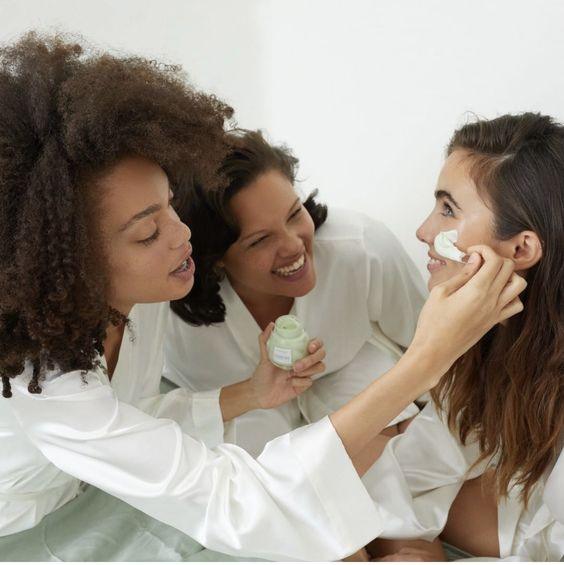
Eco-friendly skincare products make it possible for you to take care of yourself without harming the planet. You probably know by now that some mainstream skincare products contain chemicals and ingredients that pose a serious threat to your health when absorbed by the skin. But what you may not be fully aware of is that they are also contributing to waste due to their plastic packaging. They are made using processes that are hard on the environment.
Zero-waste skincare products address both issues by using natural and organic ingredients as well as planet-friendly packaging materials. They are so effective that they’ve gained a loyal following. This is among one of the fastest growing markets across the globe.
This beauty trend is here to stay. So, if you want to jump on the bandwagon, you must educate yourself with the various eco-friendly skincare products and brands you can buy today.
Face care
Your face is the most sensitive and reactive part of your skin. Besides, it is also the first thing people look when meeting you. It is important to make sure that your skincare products you are using are safe and gentle to your skin. Fortunately, there are plenty of eco-friendly skincare products that you can buy from organic stores. From cleansers, exfoliants, toners, serums, facial oils, to detox bars - every kind of product you need to help your face appear brighter and younger are available in the market.
Lip care
Lips need special attention. To keep them moisturised and looking their best, use natural lip balm to keep them soft and kissable. They nourish your lips with natural ingredients by locking the moisture. Some of these balms also come tinted and can provide a soothing sensation, which a lot of consumers like.
Hand care
The hands are the first to show signs of ageing. Simply moisturising your hands with natural and organic creams will help prevent them from drying out quickly, especially during harsh winters.
0 comments
Let customers speak for us
Blog posts
Parquet flooring remains a timeless choice for homeowners who want warmth, character, and long-lasting style underfoot, but choosing between solid and engineered parquet involves more than appearance alone. From a sustainability point of view, the decision often comes down to durability, material efficiency, installation needs, and how well the floor performs over time in real living conditions. Solid parquet offers the appeal of natural hardwood throughout and can be sanded and refinished many times, making it a strong long-term option in the right environment. Engineered parquet, meanwhile, uses a thinner real wood layer over a stable core, which can make better use of timber resources and improve performance in spaces with changing humidity or underfloor heating. For readers of the Friendly Turtle EcoBlog, this is exactly the sort of design choice where practicality and sustainability meet. Understanding how each flooring type is made, where it works best, and how long it is likely to last can help create a home that feels both beautiful and environmentally responsible. Choosing well-made flooring once, rather than replacing poor-quality materials repeatedly, is often the greener path.
Getting rid of an old carpet may seem like a simple home task, but it can carry a much bigger environmental impact than many people realise. Bulky, awkward, and often made from mixed materials, carpets are frequently sent to landfill or incineration when they could potentially be cleaned, reused, or recycled instead. For readers of the Friendly Turtle EcoBlog, this is exactly where more thoughtful choices can make a real difference. Before replacing a worn carpet, it is worth considering whether professional cleaning could extend its life and prevent unnecessary waste. If removal is unavoidable, the next best step is to explore reuse opportunities, take-back schemes, or local recycling options before turning to general disposal. Preparing the carpet properly, separating underlay where required, and checking local collection rules can also make eco-friendly disposal much easier. Choosing lower-impact flooring next time including natural fibre alternatives can help reduce waste even further. Small decisions at home, from maintenance to disposal, all play a part in building a more sustainable lifestyle.
