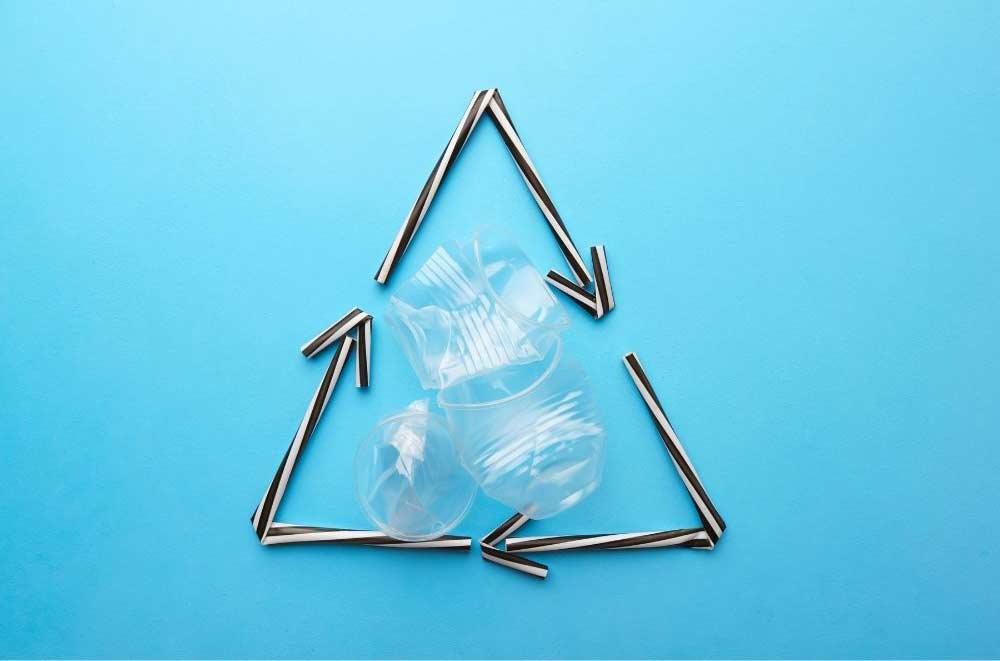
When we recycle household products, we’re diverting these useful materials from landfills, so it’s a wonderful way to help the environment. Yet, it’s no secret that recycling can be confusing sometimes. And we end up tossing some items into the rubbish bin because we’re not sure if they can be recycled or not.
“What can I put in my recycling bin?” You might wonder.
But it gets even more confusing when you discover that there are different types of plastics. Here’s the problem: you can only recycle some of them! This leaves us with a big question: What plastics can I recycle at home?
In this article, we’ll guide you on what materials can go in your recycling bin to help you clear up the confusion. So, let’s dive right in!

What Can You Put in Your Home Recycling Bin?
Most household packaging is recyclable, but what people can recycle might vary from one place to another. And that’s because different places have different rules, depending on technical and economic factors.
When we're asked what you can put in your recycling bin, they're actually asking what things you can and can’t recycle in your council. As a general rule of thumb, here are some items you can (and can’t) recycle at home:
What You Can Put in Your Recycling Bin:
- Glass bottles and jars (check locally - some councils don't collect glass so these need to be dropped off at a local bottle bank)
- Cartons (e.g. fruit juice cartons, soup cartons, milk cartons)
- Magazines, brochures, and catalogues
- Clean aluminium foil and foil trays
- Corrugated cardboard
- Empty aerosol cans
- Phone directories
- Newspapers
- Drink cans
- Metal lids
- Food tins
- Junk mail
There are some common plastic items you can put in your household recycling bin as well, keep reading to find what plastics you can recycle.

How a Cardboard Shredder Can Help with Recycling
If you receive a lot of cardboard packaging at home, investing in cardboard shredders can make recycling much easier and more efficient. Instead of piling up bulky boxes, shredding them helps save space in your recycling bin and speeds up the decomposition process if you’re using them for composting or eco-friendly packaging. Plus, shredded cardboard can be reused as protective padding for parcels, reducing the need for plastic-based alternatives. By using a cardboard shredder, you can contribute to a more sustainable recycling system while making the most out of your household waste!
What You Can’t Put in Your Recycling Bin:
- Sanitary products (e.g. nappies, wipes, sanitary pads)
- Paint or other non-food tins
- Used paper towels
- Drinking glasses
- Electrical items
- Sticky papers
- Garden waste
- Window glass
- Food waste
- Light bulbs
- Ceramics
- Pyrex
- Mirrors

What Plastics Can You Recycle At Home?
Although almost every type of plastic can be recycled, only some of them are collected and recycled from households. Keep in mind that what you can put in your recycling bin depends on your location. That’s why we end up wondering: what plastics can I recycle at home?
First of all, you should know what type of plastic you’re dealing with. There are 7 main types of plastics we bring home with our grocery shopping:
-
PET - Polyethylene Terephthalate: water bottles, pots, tubs, and others.
-
HDPE - High-Density Polyethylene: milk cartons, shampoo bottles, and others.
-
PVC - Polyvinyl Chloride: food packaging, drainage pipes, and others.
-
LDPE - Low-Density Polyethylene : carrier bags, squeeze bottles, and others.
-
PP - Polypropylene: margarine tubs and ready-meal trays
-
PS - Polystyrene: cups, takeaway containers.
-
Other: water cooler bottles, nylon, and others.
The most commonly recycled plastics are Polyethylene Terephthalate (PET), High-Density Polyethylene (HDPE), and Polypropylene (PP), while polystyrene (PS) can’t be recycled in the United Kingdom. Check our list of plastics you can (and can’t) recycle at home to get a better idea!
What Plastics You Can Recycle at Home
- Drink bottles
- Bathroom/laundry bottles
- Food, fruit, and ready meal pots, tubs, and trays
- Plastic container lids

What Plastic You Can’t Recycle at Home
- Carrier bags and black sacks
- Plastic toys and furniture
- Plastic wrap or film
- Black food trays
- Plastic bags
- Polystyrene
- Plant pots
Although these plastics can't be recycled curbside, for the time being, it's always worth checking to see if there are any local recycling schemes where they can be. For example, carrier bags and some soft plastics can now be recycled at larger supermarket stores, whilst plant pots can also be recycled at some garden centres. It's always worth checking to see if there are any local services that can take these bits from you and save them from landfill.
Now that you know all this, you can share your knowledge with others when they ask you, “What can I put in my recycling bin? What plastics can I recycle?” and help them make a difference!
But one thing that's worth noting to help you make better buying decisions when you do your shopping is: not all recycling is born equally. For example, it requires a lot more energy to recycle plastic than it does paper and cardboard. Glass and aluminium is also straightforward to recycle. And if that's not enough, considering the supply and demand for those recycled materials can also play a part in your buying decision.
As a good general rule though, try to avoid the plastic as much as possible and opt for more eco-friendly options. Even though it might still be recyclable, it's far better to go for paper, glass or metal packaging instead since it's so much easier to recycle. Or better still, look out for zero waste options without any packaging!
Remember that what and how you can recycle depends on where you live, so don’t forget to check your council’s rules to find more local information.
Looking for more sustainable options? From wooden toothbrushes, plastic free toothpaste and natural deodorant, to vegan natural soap, eco friendly cleaning products and reusable sanitary pads...we stock over 1,700 eco-friendly alternatives to help you reduce waste, reduce plastic, and live a cleaner and greener lifestyle. Ready to make some swaps?