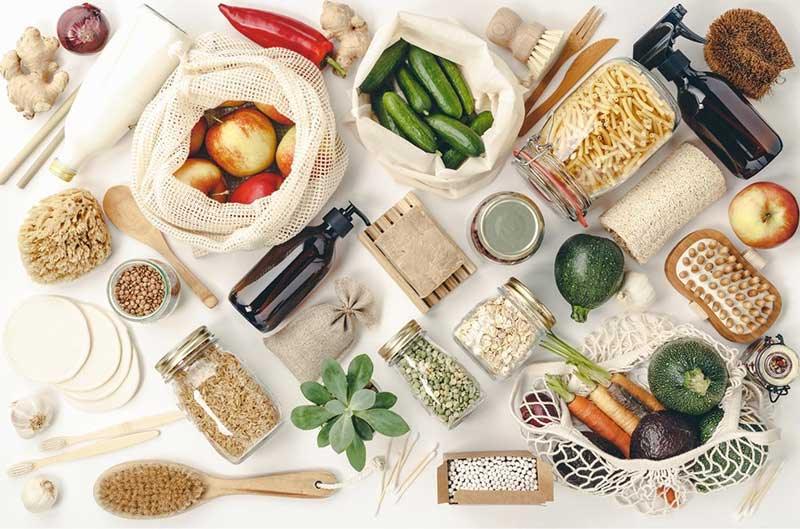
At first, going green can be a little overwhelming. There’s so much information on the internet about what you should and shouldn’t do. But actually, the best way to start living more sustainably is to try some easy eco-friendly swaps.
We already know how much trouble we’ve caused to nature so far. The good news is that it’s the perfect time of the year to try new things in our life. You know what they say: New Year, new me.
To show you that having a sustainable life doesn’t have to be complicated, we’ve put together 19 easy eco-friendly swaps to make in 2022!
Plus, you’ll discover why some sustainable alternatives, like eco-friendly cleaning products, are better than conventional options!

19 Easy Eco-friendly Swaps To Make in 2022
1. Swap Plastic Wrap for Reusable Beeswax Wraps
There’s one item in your kitchen that is causing problems to the environment: Cling film. An easy eco-friendly swap would be to use beeswax or vegan reusable food wraps instead. This reusable alternative can last up to a year and it’s biodegradable!
2. Use Cloth Towels Instead of Paper Towels
Instead of discarding paper towels on a daily basis, why don’t you replace them with a reusable alternative, like cloth towels or reusable kitchen roll? With this easy eco-friendly swap, you’ll protect the best tool we have to fight climate change: trees.

3. Swap Packaged Fruit and Vegetables for Loose Produce
Here’s another easy eco-friendly swap to reduce your waste: Buy loose produce instead of purchasing packaged fruits and veggies. What’s more, you could choose local and seasonal produce too! Just don't forget your reusable produce bags!
4. Swap Buying for Borrowing
Before buying something new, ask yourself: how often am I going to use it?
If you will only use it once or twice, you could borrow it from a friend or relative instead of buying it. This is a great way to preserve natural resources.
Learning how to declutter clothes and your wardrobe will also set you off in a good place too
5. Swap Disposable Coffee Cups for a Reusable Coffee Cup
Are you a coffee-lover? Then, purchasing a reusable coffee cup should be one of the first things on your to-do list. Want to know the best part about this easy eco-friendly swap? You could even get discounts in some coffee shops!

6. Replace Your Plastic Toothbrush with a Bamboo Toothbrush
This is one of the easiest eco-friendly swaps you can make this year! Instead of sending a plastic toothbrush to a landfill every three months, you could use a bamboo or wooden toothbrush and compost it once you’re done with it.
7. Swap Plastic Bottles for a Reusable Water Bottle
One million plastic drinking bottles are purchased every minute around the world. Unfortunately, most of them will end up polluting our oceans. So, an easy eco-friendly swap would be to use a reusable bottle instead!
8. Use Eco-friendly Cleaning Products Instead of Commercial Options
If you want a clean house and a healthy life, then you should avoid commercial cleaning options. Check the FAQ at the bottom of this post to find out why eco-friendly cleaning products are better for your health and the environment.

9. Prefer Thrift Stores to Traditional Retailers
Instead of buying trendy clothes from traditional retailers, opt for vintage clothing this year. Besides keeping clothes out of landfills with this easy eco-friendly swap, you’ll save money too!
10. Use a Tea Strainer Instead of Teabags
If you love your morning cuppa, you could buy loose leaf tea and try eco tea making with a strainer for a zero waste (and plastic-free) experience!

11. Swap Plastic Storage Containers for Glass Containers
This is such an easy eco-friendly swap to make: When it’s time to replace your old plastic containers, opt for glass or stainless steel lunch boxes. For example, you could re-use glass jars!
12. Use Reusable Straws Instead of Plastic Straws
Plastic straws are one of the top 10 most commonly found items in coastal litter cleanups in the world. Yet, replacing them with reusable, plastic free straws doesn’t require a drastic change in your life.

13. Swap Liquid Soap for Bar Soap
An easy eco-friendly swap to make in your bathroom is to use solid soap bar instead of liquid soap. This is a fantastic option to avoid plastic bottles! There are a fantastic range of vegan soap bars available these days, as well as a larger soap on a rope which is great for shower time!
14. Replace Face Wipes with Reusable Rounds
Use reusable face wipes instead of single-use face wipes or cotton pads to remove your makeup, apply toner, or wipe away any other skincare product!

15. Buy in Bulk Instead of Choosing Packaged Products
When possible, you could buy some items in bulk to avoid plastic packaging. Likewise, you could choose the largest size of whatever you’re shopping for to reduce plastic waste.
16. Switch from Disposable Razors to a Safety Razor
Another easy eco-friendly swap is to use a safety razor instead of disposable ones to avoid single-use plastics in your bathroom. Moreover, the metal blades can be recycled!

17. Swap the Bin for Compost Bin
Making this easy eco-friendly swap would not only reduce your waste but also prevent greenhouse gases from entering the atmosphere.
18. Swap Plastic Bags for a Reusable Shopping Bag
One easy eco-friendly swap anyone can make this year is to use an eco friendly shopping bag such as a string shopping bag or recycled one and avoid the single-use plastic ones once and for all! Let's keep our oceans clean and free from plastic bags!

19. Swap Cut Flowers for Real Plants
One easy eco-friendly swap to make in 2022 is to gift real plants to your loved ones. Although gifting cut flowers is a nice gesture, they will wilt and die sooner or later.
Frequently Asked Questions
Why Are Eco-friendly Cleaning Products Better for the Environment?
Eco-friendly cleaning products are better for our planet because they’re made of natural, non-toxic, and biodegradable ingredients. As a result, they won’t pollute waterways, contaminate the air, disturb wildlife, exacerbate climate change, or cause ozone depletion. Besides, they often come in recyclable packaging.
Are Eco-friendly Cleaning Products Better for Your Health?
Eco-friendly cleaning products are a better choice to clean your house because they don’t contain hazardous chemicals that could affect your health. Unlike conventional cleaning options, they’re made of safe ingredients, so they won’t cause allergic reactions or skin irritation.
As you can see, you can start a sustainable lifestyle by making some easy eco-friendly swaps in your life. And the best part is that many sustainable alternatives, like eco-friendly cleaning products, are better for your health and the environment!
Sources:



0 comments