Clean skincare shouldn’t feel like a 15-step performance. As the clean beauty movement grows, more people are stepping back from constant layering and asking a simpler question: what actually supports skin health, without creating extra waste? In this Friendly Turtle EcoBlog guide, we break down what clean skincare really means, what to look for on ingredient labels, and how to build a sustainable self-care routine that’s realistic for everyday life. Expect practical, low-fuss advice: prioritising your skin barrier with a gentle cleanser, a nourishing moisturiser and daily SPF; avoiding the temptation to stack strong actives; and giving products time to work before swapping them out. We’ll also share small, eco-friendly habits that add up finishing what you already own, buying with intention, and choosing refillable or lower-waste options where possible so your routine feels calm, effective and kinder to the planet.
Share your articles with us and get published! Reach out at hello@friendlyturtle.com.
Things You Have Always Wanted to Know About Reusable Water Bottles
Why should everyone switch to reusable water bottles in the UK? The reasons go beyond saving money. The more significant reason is to save the environment. You are probably aware that plastic bottles are bad for the planet. What you may not know is how much harm they are causing to the ecosystem.
The following are some of the shocking facts about plastic bottles that motivate individuals and organisations to push for reusable water bottles.
- A million plastic bottles are bought every minute while around 60 million plastic bottles are thrown in landfills every single day.
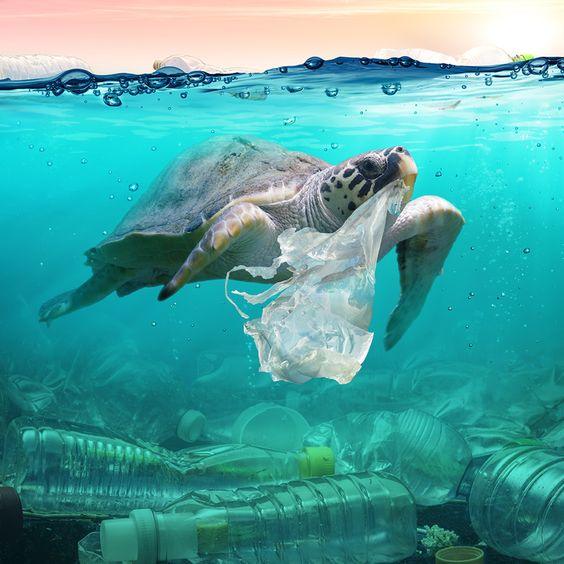
- Only 10% of plastic bottles end up in landfills while the other 90% are left unrecycled, with most of them ending up in the oceans, polluting the waters and endangering marine animals.
- In the UK, about 7.7 billion plastic water bottles are used every year.
Did you know that the plastic water bottles in the ocean can also pose a threat to your health? According to recent studies by scientists at the Ghent University in Belgium, people can potentially ingest 11,000 tiny pieces of ‘micro-plastics’ every year by eating seafood.
The good news is that with the continuous spread of awareness and conscious efforts of green organisations, manufacturing companies and people are now becoming more considerate with the planet earth and the impacts we have. For this reason, there are more plastic-free shops than ever in the UK. Consumers are also now more convinced of the benefits and importance of reusable water bottles in the UK.
The average person drinks 30 gallons of bottled water every year. If you choose to use reusable water bottles, you can reduce these statistics, reduce your own impacts and help save the environment. So, where can you buy good reusable water bottles? From zero-waste shops in the UK.
These shops manufacture durable water bottles made from high-quality materials such as food-grade steel o aluminium to ensure that they can use them for as long as possible. Some of their products are even made from recyclable materials like paper coffee cups. Aside from this, their water bottles are also easy to clean, making sure that you will get rid of those molecules that cling into the interiors. Plus, they look super cool and trendy too right?!
0 comments
Let customers speak for us
Blog posts
Fleas and ticks aren’t just a nuisance, they can trigger skin irritation, allergic reactions and, in some regions, carry disease. That’s why many pet owners end up weighing natural essential oils vs chemical pesticides for flea and tick protection. Essential-oil blends can be helpful as a repellent and part of a low-tox routine (especially for prevention and lighter-risk seasons), but they’re typically shorter-lived and less reliable for clearing an active infestation. Conventional treatments, by contrast, are formulated to kill fleas and ticks and often last weeks, yet they come with stricter handling rules and potential environmental residue. In this guide, the Friendly Turtle EcoBlog looks at what “works” really means: effectiveness, reapplication, pet safety (especially around cats), and how to reduce impact at home. You’ll also find practical, eco-minded steps like vacuum routines, wash cycles, and targeted use so you can protect your pet without defaulting to the harshest option every time.
Sustainable lake, reservoir and pond cleaning isn’t just about making water look clear it’s about protecting the life that depends on it. Harsh chemicals can disrupt fragile food chains, reduce oxygen levels and harm fish, amphibians and insects that keep ecosystems balanced. A lower-impact approach focuses on prevention and gentle intervention: monitoring water quality, tackling algae and biofilm early, and choosing methods that don’t leave toxic residues behind. Options such as ultrasonic treatment can help manage growth without dosing the whole waterbody with aggressive cleaners, but it’s often safest to work with experienced professionals who understand the site, the species and local regulations. At Friendly Turtle EcoBlog, we’re big on practical sustainability protect biodiversity first, reduce pollution at source, and keep waterways healthy for wildlife, pets and people. With the right plan, you can support cleaner water, safer habitats and long-term resilience.
