First-time visitors to Georgia often want a clear, stress-free introduction that balances culture, nature and everyday comfort. Many begin in Tbilisi, where the airport sits close to the city centre and the compact Old Town allows easy walking between the sulphur baths, Narikala cable car and riverside viewpoints. Sustainable travel here means choosing walkable routes, local cafés and small hotels that support the community. Short trips to Mtskheta add historical depth without long drives, while Kakheti introduces wine traditions through slower, guided visits that reduce unnecessary transport. Some travellers combine Tbilisi with Batumi, using efficient internal travel rather than multiple flights. At Friendly Turtle EcoBlog, we encourage first-time visitors to travel Georgia responsibly by pacing itineraries, staying in family-run guesthouses, joining small-group tours and respecting local ecosystems. These mindful choices help reduce environmental impact while still offering a rich, authentic experience of Georgia’s cities, landscapes and traditions.
Share your articles with us and get published! Reach out at hello@friendlyturtle.com.
The Benefits of Using Eco-Friendly Cups
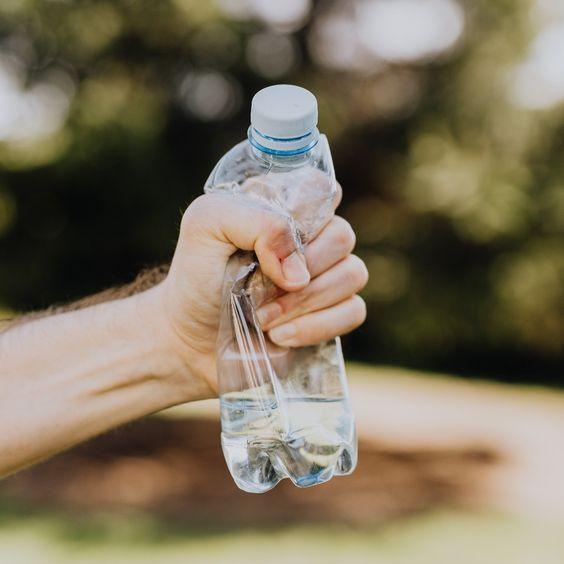
An estimated 500 billion plastic bottles are used every year, leading to more plastic waste in the ocean that could harm the marine ecosystem. In the UK coastline, it was found that there are at least 150 plastic bottles per mile. This waste contributes to the plastic problem the world currently faces.
As someone who cares about the environment, how can you reduce the amount of plastic waste ending up in the ocean? One way is to use eco-friendly cutlery and stop using disposable utensils. Many plastic-free shops in the UK now sell eco-friendly cups that are perfect for holding water or your daily dose of coffee. The popularity of reusable cups is soaring in the UK, with a 537% increase in sales in 2017.
Why should you switch to eco-friendly cups?
1. Eco-friendly cutlery reduces waste.
Keeping yourself hydrated has never been easier — all you have to do is fill your eco-friendly cup with a drink, wash it when you’re done, and fill it up again, as many times as you please. Not only is this method incredibly convenient, but it eliminates any unnecessary waste from single use cups and bottles. No need to stop at the convenience shop for a plastic water bottle or a disposable coffee cup.
2. Reusable cups are sustainable
Prevention is always better than cure. Instead of increasing the demand for plastic manufacturing by buying too many plastic products, you can eliminate the need for it. With a reusable water bottle, you can save the environment and live a healthier, greener lifestyle.
Plastic-free shops in the UK sell eco-friendly cups at an affordable price. Reusable bottles also save you money since popular coffee chains offer discounts when you bring your cup. Plus, instead of buying water every time you feel thirsty, you can refill your bottle at home or the workplace.
0 comments
Let customers speak for us
Blog posts
A calm, multifunctional garden can be more than a pretty backdrop it can become a practical extension of your home that supports slow mornings, outdoor meals, and genuine downtime. In this Friendly Turtle EcoBlog guide, we look at simple, sustainable ways to shape an outdoor space that feels organised, welcoming, and easy to use throughout the week. Start by creating clear “zones”: a quiet seating corner for reading, a dining spot for relaxed lunches, and a flexible open area for play or potting. Light-touch structures, such as an airy pergola or a sheltered veranda, add definition without blocking daylight, making the garden usable in changeable weather. Keep the mood restful with layered planting: evergreens for year-round structure, seasonal flowers for colour, and lightly scented herbs near paths. Choose reclaimed or recycled materials where possible, add soft warm lighting, and reduce water waste with mulch and a simple rainwater butt. The result is a garden that feels calm, functional, and kinder to the planet.
Finding the right mental health support in Woodland Hills starts with checking credentials, treatment approach and access to care. Look for licensed clinicians with training in evidence-based therapies such as CBT or DBT, and ask whether programmes offer coordinated psychiatry, talking therapy and crisis support when needed. The best providers also explain your options clearly, from outpatient sessions to more structured day programmes, and may include complementary practices that support recovery, such as mindfulness, movement and nutrition guidance. At Friendly Turtle EcoBlog, we often explore how everyday choices shape wellbeing; this guide applies the same practical lens to mental health care, helping you compare services, understand what ‘holistic’ really means, and choose a setting that feels safe, respectful and tailored to your needs. It also highlights practical questions to ask about availability, confidentiality, fees and insurance, so you can make a confident, informed decision.
