Designing an eco-friendly kitchen is about creating a space that reduces waste, saves energy and supports healthier everyday habits without compromising on style or practicality. From sustainable materials and energy-efficient appliances to water-saving features and zero-waste storage systems, even small design choices can make a meaningful environmental difference over time. Reclaimed wood, bamboo, cork flooring and low-VOC finishes are becoming increasingly popular in modern kitchens, while induction cooktops, LED lighting and efficient ventilation systems help reduce long-term energy consumption. Water conservation is also playing a larger role, with more households choosing low-flow taps, eco dishwasher cycles and reusable alternatives to single-use kitchen products. Thoughtful kitchen design now goes beyond aesthetics, focusing on durability, longevity and more conscious consumption habits. This Friendly Turtle EcoBlog article explores practical ways to build a more sustainable kitchen, highlighting how greener materials, efficient layouts and low-waste routines can help create a healthier home with a smaller environmental footprint.
Share your articles with us and get published! Reach out at hello@friendlyturtle.com.
The 5 Benefits of Using Natural, Plastic Free Toothpaste
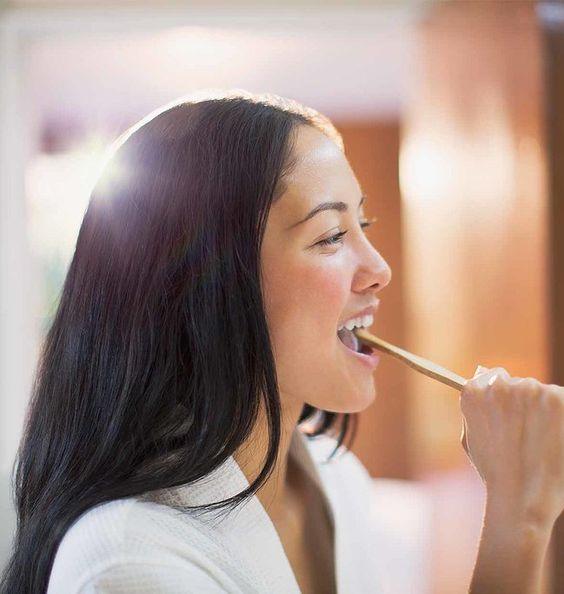
Good dental hygiene isn’t just about maintaining a nice set of pearly whites. Regularly and properly brushing your teeth can help your health in more ways than one. Your mouth is home to an abundance of oral flora, some of which are harmless but others dangerous. Certain species of bacteria can cause gum infections and tooth decay, leading to more severe problems in the future.
Don’t worry, though. Maintaining good oral hygiene is as easy as brushing your teeth, flossing, and scheduling appointments with your dentist. The first one is the simplest, as long as you use the right products.
Finding a natural, plastic free toothpaste can have huge benefits to your health and the environment, similarly to plastic free cleaning products UK which we wrote about the other week. Let’s explore the benefits;
Natural ingredients
Toothpastes are notorious for containing toxic ingredients like fluoride, triclosan, and saccharin. Sure, these chemicals do wonders for making your teeth whiter, but they also play a role in damaging your overall health.
Natural, plastic free toothpastes are often the complete opposite. They are made with organic ingredients that are just as effective as chemicals when making your mouth cleaner and fresher.
Zero-waste packaging
Plastic free cleaning products in the UK come in either refillable or zero-waste packaging that are great for the environment. For example, toothpaste tablets are placed inside a tin, which you can refill as you go from bulk packs purchased in recyclable cardboard.
Cruelty-Free
Since most plastic free toothpastes are made with all-natural substances, they do not pose any threat to the environment. These products are 100% vegan, cruelty-free, and not tested on animals.
Affordable
Oral care products may not cost much, but the expenses can definitely add up over time. With zero-waste toothpaste tablets, you can save money since you’ll only be spending on refills once you’ve exhausted the contents of your first tin.
Variety
Reputable sellers in the UK offer a wide range of plastic free oral products for sale. You can choose from different flavours, types, and sizes according to your needs!
0 comments
Let customers speak for us
Blog posts
As more households move away from fast furniture and short product lifecycles, heirloom wood furniture is becoming an increasingly popular choice for eco-conscious homes focused on durability, quality and lower long-term environmental impact. Unlike mass-produced flat-pack furniture, solid wood pieces are designed to last for decades, with the ability to be repaired, refinished and reused rather than discarded after only a few years. Sustainability in furniture is no longer only about recycled materials, but also about longevity, responsible sourcing and reducing unnecessary waste over time. This Friendly Turtle EcoBlog article explores why heirloom furniture is gaining attention within sustainable interiors, from locally sourced wood and low-VOC finishes to stronger joinery methods and long-term repairability. It also looks at how thoughtful furniture choices can support healthier indoor environments while helping reduce landfill waste, manufacturing demand and the carbon footprint associated with repeated furniture replacement.
Waking up tired after a full night’s sleep is more common than many people realise, and the cause is often more complex than simply “not getting enough sleep”. Sleep quality, disrupted sleep cycles, dehydration, stress, poor bedroom conditions and inconsistent routines can all affect how rested you feel in the morning, even after spending eight hours in bed. Factors such as alcohol, late-night screen use, overheating, uncomfortable mattresses, poor airflow and irregular sleep schedules may quietly disrupt deep sleep and REM sleep without you fully noticing during the night. In some cases, underlying issues such as sleep apnoea, low iron levels, vitamin deficiencies or chronic stress can also contribute to persistent fatigue and brain fog. This Friendly Turtle EcoBlog article explores why sleep quantity and sleep quality are not always the same thing, while looking at practical lifestyle factors that can improve rest naturally. From hydration and evening habits to sleep environment and circadian rhythm, small adjustments can often make a meaningful difference to energy levels, focus and overall wellbeing throughout the day.
