EcoBlog / garden

Welcome to EcoBlog 🐢 —your go-to hub for sustainable and ethical living! Dive into practical how-to guides, inspiring tips, and the latest eco-news to transform your lifestyle. Whether you’re just starting your green journey or looking to deepen your impact, join us and discover how small changes can create a big difference for our planet.

wildlife garden ideas for a sustainable garden

7 Wildlife Garden Ideas For The Ultimate Sustainable Garden

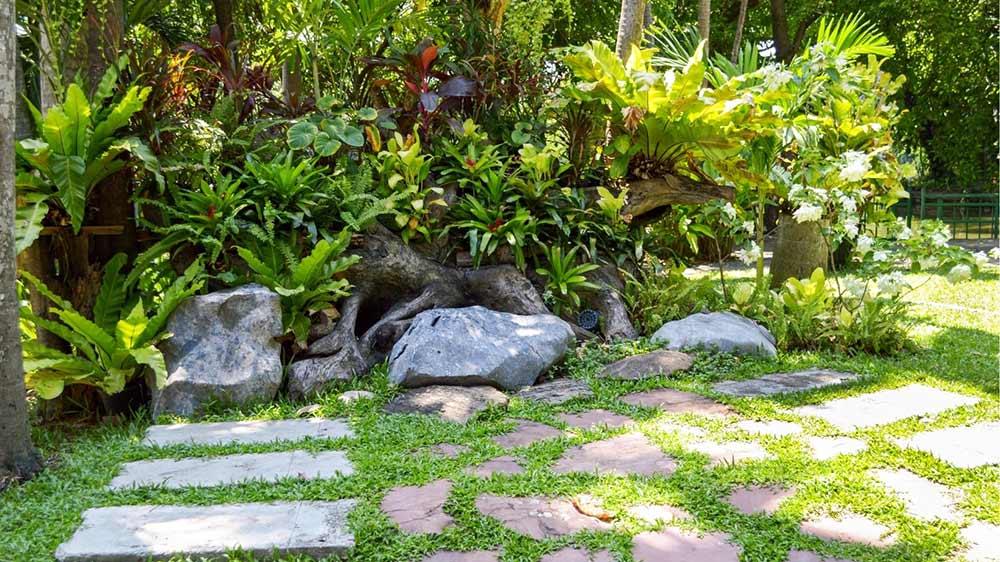
Transforming your outdoor space into a sustainable wildlife garden is easier than you think, whether you’ve got a small patio or a large countryside plot. By introducing simple changes, you can provide food, water, and shelter for local species while creating a thriving eco-friendly haven. Plant native wildflowers to attract bees, add birdbaths and feeders to support feathered friends, or create a pond to give frogs and newts a safe breeding ground. Trees and climbing plants bring shade, greenery, and nesting spots, while leaving small gaps in fences helps hedgehogs and other creatures roam freely. Even dedicating a wild corner or building a bug hotel encourages biodiversity. These wildlife garden ideas not only protect vulnerable species but also enhance your garden’s beauty and sustainability, proving that small, thoughtful steps can make a big impact.

Read More
composting at home required tools

A Beginner's Guide To Composting At Home

Composting at home can turn suitable kitchen scraps and garden waste into a useful soil improver. In this Friendly Turtle EcoBlog guide, we explain how to choose an approach for your space, from a garden heap or bin to a managed wormery or local food-waste collection. The article distinguishes a kitchen storage caddy from a complete composting system and looks at the role of air, moisture, green materials and dry brown materials. We also cover items that need checking before they go into the heap, including tea bags, packaging and products made from mixed materials. Rather than promising finished compost within a few weeks, the guide explains how conditions and management affect the time needed. Find practical advice on recognising mature compost, avoiding unsuitable waste and using the result to support healthier soil, with manageable steps for a composting routine that works in your garden.

Read More