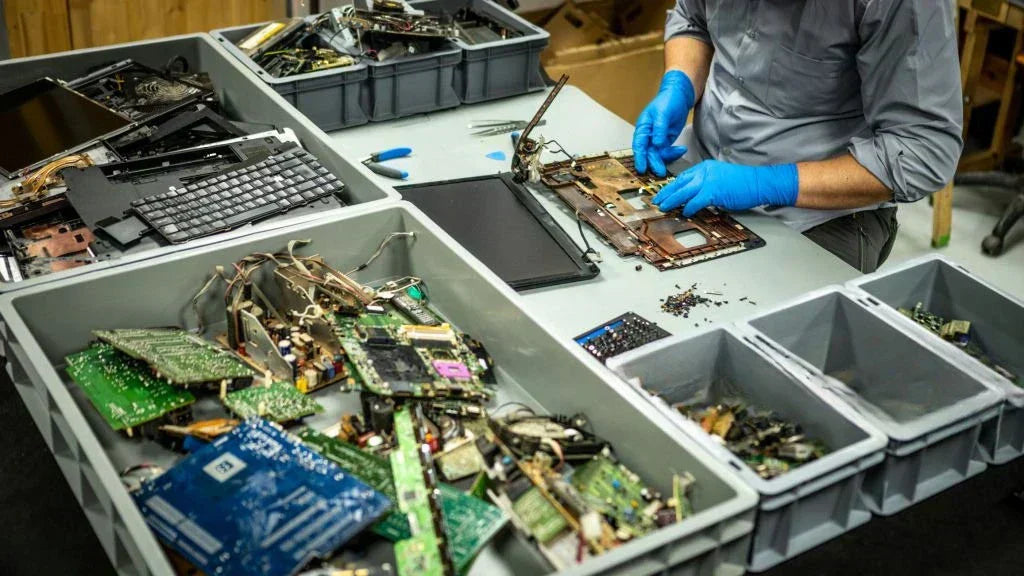
Technology keeps evolving, and so does the demand for new devices. Laptops are among the most frequently upgraded gadgets. Many people replace their laptops every few years, but is this habit sustainable? With climate change and e-waste concerns rising, more consumers are considering refurbished laptops. The demand from used laptop buyers is proof that sustainability and affordability can go hand in hand. But are refurbished truly more eco-friendly than new laptops? Let's explore the environmental impact of both options.
The Environmental Cost of Manufacturing New Laptops
Building a brand-new laptop requires a lot of resources. The process involves mining rare metals, producing plastic components, and assembling electronic parts. Extracting raw materials like lithium, cobalt, and gold causes deforestation, soil erosion, and pollution.
Factories consume a massive amount of energy to manufacture new laptops, and this energy often comes from non-renewable sources, leading to increased carbon emissions. When old laptops are discarded to make room for new ones, they often end up in landfills. Many contain hazardous materials that can leach into the soil and water.
Beyond the production phase, shipping and distribution contribute to emissions. Laptops are often transported across continents, adding to their overall carbon footprint. Each new model released fuels the demand for frequent upgrades.
Data source: Global Carbon Budget (2024) - Learn more about this data
How Refurbishing Reduces Environmental Impact
Refurbished laptops give older devices a second life. They are pre-owned laptops that have been cleaned, repaired, and tested for quality. Instead of being discarded, these devices are restored and resold. Because refurbishing does not require new metals, plastics, or other raw materials, it reduces the demand for mining and lowers environmental damage. The process also uses significantly less energy compared to manufacturing a new laptop.
Reusing existing electronics extends their lifespan and delays their entry into landfills. Since e-waste contains hazardous substances such as lead and mercury, preventing disposal slows environmental contamination. Many refurbishing companies also implement responsible recycling programs.
Carbon Footprint Comparison
Every laptop has a carbon footprint. Manufacturing a new laptop emits an estimated 300 to 1,000 kilograms of CO₂. This includes emissions from mining, production, and transportation. In contrast, refurbishing a laptop emits far less CO₂. Since the core components are reused, energy-intensive manufacturing steps are avoided. Some estimates suggest that choosing a refurbished laptop can cut carbon emissions by 70 percent or more compared to buying a new one.
Another key factor is energy efficiency. While new laptops often come with improved energy-saving features, refurbished laptops still consume similar amounts of power during usage. The real difference lies in the production stage, where the majority of a device’s lifetime emissions occur. Choosing a refurbished laptop reduces the demand for new production, cutting down on emissions tied to extraction, processing, and assembly.
Performance and Longevity Concerns
Some people worry that refurbished laptops won’t perform as well as new ones. While this may have been true in the past, today’s refurbishment processes are highly reliable. Most refurbished laptops undergo strict quality checks, and companies replace damaged components, update software, and ensure functionality before resale. Many refurbished laptops also come with warranties. Additionally, refurbished laptops can often be upgraded with better RAM, storage, or batteries, which extends their lifespan and makes them a solid investment.
A well-maintained refurbished laptop can last just as long as a new one, especially when hardware upgrades are available. For users who do not require the latest specifications, a refurbished laptop offers more than enough performance for everyday tasks. Business professionals, students, and casual users can benefit from high-quality devices at a fraction of the price while making a sustainable choice.
Price and Affordability
Aside from environmental benefits, refurbished laptops are usually more affordable than new ones. Buyers can save anywhere from 20 to 50 percent on a high-quality device. For students, small businesses, and budget-conscious consumers, refurbished laptops provide a cost-effective way to get reliable technology without breaking the bank. The money saved can be used for accessories, software, or other essential needs.
Affordability also extends to maintenance and repairs. Since many refurbished laptops use older, well-supported components, replacement parts tend to be cheaper than those for brand-new models. Buyers who opt for refurbished laptops can often extend their devices' lifespans through minor repairs.
Potential Downsides of Refurbished Laptops
While refurbished laptops offer many benefits, they do have some drawbacks. Finding the exact model or specifications you want may be more challenging, as the availability of refurbished models depends on what is returned and restored. Some older refurbished models may no longer receive software updates from the manufacturer, which could lead to compatibility issues down the line.
Battery life can also be a concern, though many refurbished units come with new or improved batteries to address this issue. Despite these concerns, a well-vetted refurbished laptop can still perform effectively for years.
Consumer perception can also play a role in decision-making. Some people may prefer the feeling of a brand-new device with the latest design and features. However, for those who prioritize sustainability and affordability, a high-quality refurbished laptop can still meet their needs without sacrificing performance.
Data source: Global e-waste is predicted to reach 74.7 million tonnes by 2030
- Learn more about this data
Choosing the Right Refurbished Laptop
If you decide to buy a refurbished laptop, there are a few things to keep in mind. Purchasing from reputable sellers is essential to ensure quality. Certified refurbishers and trusted retailers are more likely to provide reliable products.
Checking the warranty is also important, as a warranty of at least six months to a year can offer additional security. Reading customer reviews helps determine whether a seller provides high-quality refurbished products. Some refurbished laptops allow for RAM and storage upgrades, improving performance and longevity, making them an even better investment.
Buyers should also compare different models based on their needs. Business laptops from reputable brands often have sturdy designs and are built to last. Checking battery health, included accessories, and return policies helps ensure a good purchase.
Conclusion
Refurbished laptops are a smart, eco-friendly alternative to buying new ones. They help reduce e-waste, lower carbon emissions, and conserve resources while offering great value for money. While there are some drawbacks, the environmental and financial benefits make them a worthwhile option for many consumers. If you're looking to upgrade your laptop, choosing refurbished over new could be a small but meaningful step toward a greener future.