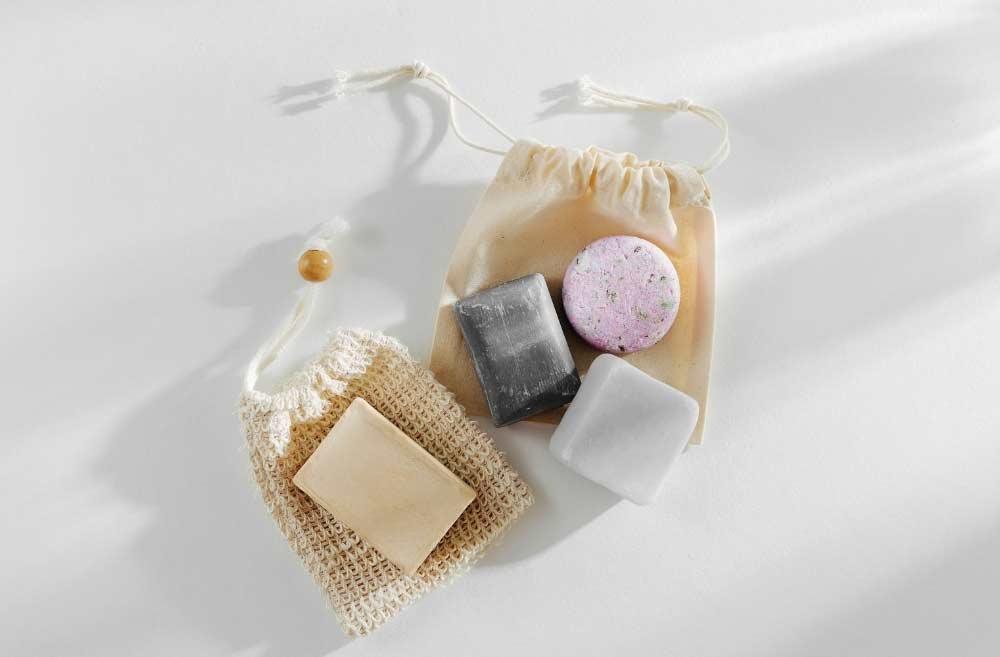
Looking to reduce your environmental impact, so you decided to give a shampoo bar a try? Taking these small steps towards a zero waste lifestyle can make a world of a difference in the long term. However, it’s important to learn how to use a shampoo bar properly, so that you not only protect the planet but also make sure your hair is looking as healthy as it can.
There are plenty of amazing benefits to switching to natural shampoo and conditioner bars. If you’re new to the world of shampoo bars, follow this guide to get the best possible results.
Prepare for the switch
If you want to ensure the switch to a shampoo bar is as smooth as possible, there’s a little bit of preparation that you’ll want to do to get rid of the build-up of synthetic hair care products and re-balance the oil production of your scalp.
This step is not 100% necessary but skipping it may leave your hair too dry or too oily in the first days or weeks of learning how to use a shampoo bar.
So, what’s the solution? A quick baking soda rinse made from a tablespoon of baking soda and a cup of vinegar. Massage this mixture into your scalp and hair, letting it sit for a few minutes before rinsing. You only need to do this before your first wash with a solid shampoo bar and you’ll be ready to go!
Consider the water type in your home
Depending on whether your home has hard or soft water, your experience with learning how to use a shampoo bar may slightly vary.
If you're in a soft or normal water area, you generally have nothing to worry about and you can skip straight to the next step. However, if your home has hard water, you’ll want to keep in mind that it will take a little extra time to get your shampoo to create a good lather, as well as some extra time needed to rinse it out of your hair. If you want to make the process quicker, you can boil the water you rinse your hair with and let it cool down first.
The step-by-step of how to use a shampoo bar
These are the steps you’ll want to take in the actual washing process:
- Rub the shampoo bar between your hands to create a lather (unless you have very thick hair and can’t lather it in this way, in which case you may want to use the bar directly on your hair and scalp).
- Massage the lather into your hair and scalp using circular motions. A good scalp massage while washing your hair can improve your scalp health!
- Once your hair is all lathered, rinse out with water. Do not rush this step – it may take a little longer to wash out the lather from a shampoo bar compared to conventional liquid shampoo.
Between washes, store your shampoo bar in a dry place, such as on a soap dish or let it dry before placing it in a closed container to preserve its life.
Mind the transition period
If you used a shampoo bar for the first time following our guide and the results weren’t quite the same as what you’re used to with conventional hair care, don’t worry. A short transition period, wherein you start getting used to more natural products and remove the build-up of synthetic products from your hair, can take up to a few weeks (although it mainly depends on your hair type and how often you wash your hair).
After this transition period, your hair will begin to look much healthier than ever before.
There are many different types of shampoo bars to choose from. If you’re still searching for a shampoo bar to try, you’ll find a variety of options available these days - from simple, tried and tested natural shampoo bars to newer 2 in 1 shampoo and conditioner bars, as well as travel-friendly Beauty Kubes shampoo cubes.
So now you know how to use a shampoo bar, you can look forward to having the thickest, healthiest hair you've always wanted!