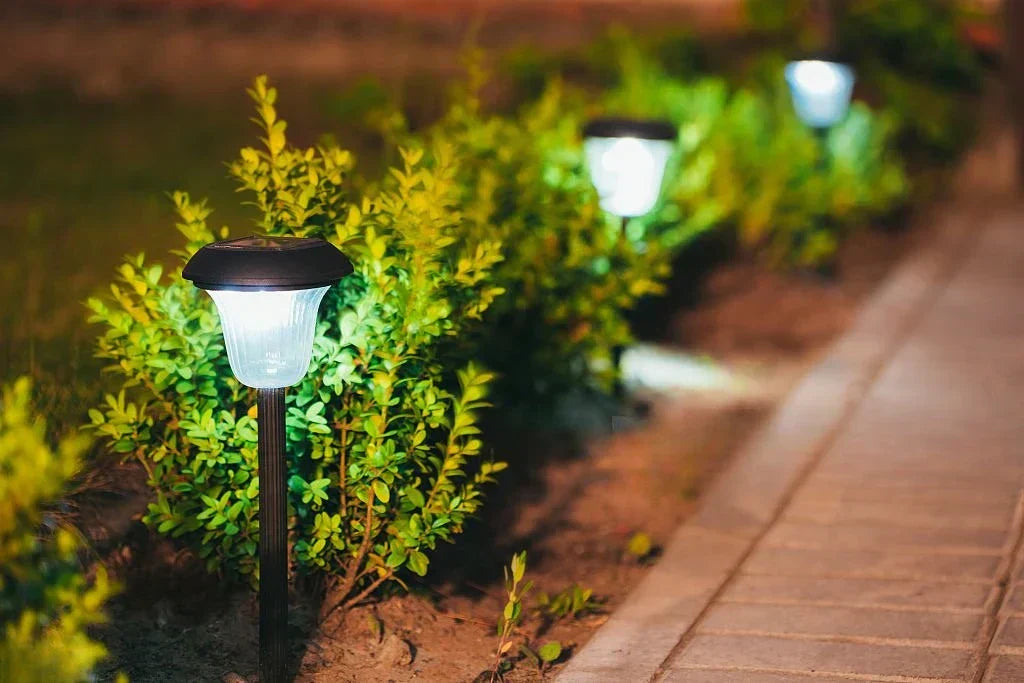
Garden lighting improves outdoor garden areas through a combination of beauty and required safety features. Homeowners' utilization of sustainable light sources produces welcoming areas while keeping carbon emissions at a minimum. Researching various energy-saving lighting alternatives enables gardens to continue operating while preserving their environmental conscientiousness.
Energy-Efficient LED Lighting for Gardens
LED lights revolutionized outdoor lighting because they deliver enduring performance while delivering major energy efficiency benefits. LED bulbs require less energy than incandescent and halogen bulbs and, therefore, serve as perfect choices for sustainable garden lighting. Many landscape lighting service providers widely recommend LED fixtures due to their extended lifespan and low maintenance requirements. LED lights generate little heat while running efficiently to lower the possibility of outdoor fires. Modern technology enables garden lights with LED technology to permit homeowners' personalization through adjustable brightness and color options for their outdoor areas. LED systems attain sustainable energy management by combining solar power technology with motion detection sensors to reduce energy waste. Investing in LED lighting enables effective garden lighting solutions while reducing energy costs as time passes.
Low-Voltage Outdoor Lighting for Energy Conservation
Low-voltage lighting systems provide a more energy-efficient replacement for traditional high-voltage lighting options. The systems use transformers to deliver optimal brightness while minimizing power consumption. Environmentally conscious homeowners select low-voltage lighting systems to reduce energy waste. Low-voltage lighting systems need less electrical knowledge than high-voltage systems during installation. Lighting systems improve safety by lowering power usage, which reduces the potential risks of electrical hazards. Low-voltage lighting options enable customized lighting effects through their combined weather-resistant features and dimmable controls.
Smart Lighting Technology for Automated Control
Users can control their garden lighting system using automated features from mobile devices or through voice commands that adjust light levels and schedules. Homeowners benefit from energy conservation systems because they enable users to program lighting schedules that align with their personal usage requirements. The activation of lights through motion sensors allows them to operate only when necessary and helps to reduce energy waste. Smart lighting systems can join with home automation platforms to allow the effortless management of various outdoor lighting fixtures. Dimmable smart lights enable mood personalization, which improves security and ambiance. Homeowners can track their energy usage and make better adjustments through the energy monitoring features of many smart lighting models. Smart lighting systems turn gardens into spaces that save energy while providing users with outstanding ease of use.
Recycled and Eco-Friendly Lighting Fixtures
Garden lighting systems for sustainability use energy-saving bulbs together with environmentally responsible materials. Manufacturers of lighting fixtures implement recycled metals, glass and plastics during production to minimize environmental harm. Outdoor decorative lighting utilizing bamboo and reclaimed wood offers natural options since manufacturers opt for biodegradable materials during production. Lighting fixtures made from sustainable resources encourage responsible consumption and decrease waste output. Sustainable garden lighting systems are developed through eco-friendly fixtures and LED bulbs to protect the environment by improving sustainability. Multiple companies manufacture fashionable lighting products by repurposing waste materials from industrial sources. Using recycled lighting components makes garden illumination attractive while meeting environmental standards.
Wind and Kinetic Energy-Powered Garden Lighting
Wind and kinetic energy outdoor lighting systems deliver sustainable lighting options. Mini wind turbines generate power for garden lights through electricity production and reduce dependence on traditional energy systems. Pedestrian movement activates kinetic energy systems in some lighting designs, which produce power. These systems provide lighting options for regions with insufficient sunlight or unpredictable solar power availability. The effectiveness of sustainable lighting improves when wind and kinetic energy systems partner with additional eco-friendly illumination methods. The performance levels of micro-energy harvesting technologies benefit from continuous advancements in their development. Garden lighting functions through a combination of different renewable energy sources to achieve environmental responsibility.
Enhancing Garden Aesthetics with Sustainable Lighting
Eco-friendly lighting solutions deliver both efficiency and beauty without sacrificing style. The warm glow from LED string lights creates a welcoming ambiance, while solar lanterns improve pathway aesthetics. Recessed lighting successfully highlights architectural and landscape designs through its low power consumption. Homeowners can easily transform their gardens by using LED lights that change colors. Multiple lighting styles create visual depth and attractiveness while preserving energy efficiency. Strategically positioning sustainable lighting helps gardens stay welcoming and beautiful to look at. Homeowners who choose sustainable solutions create stunning outdoor areas with reduced environmental impact.

Sustainable garden lighting creates better outdoor spaces through reduced energy use and minimized environmental impact. One achieves efficient lighting while maintaining brightness and style by selecting LED or solar-powered lighting solutions or intelligent systems. Eco-friendly fixtures that last long help sustainability through reduced waste production and extended life cycles. Homeowners who care about energy efficiency benefit from expanded possibilities by integrating renewable power systems like wind and kinetic energy. A garden reaches full illumination potential when lighting selections focus on functionality, visual appeal, and environmental responsibility.