Home improvements: love or hate them, there is no denying the transformative power they can have on a space. And, when most people hear the phrase ‘home improvements’, they immediately think about updating a bedroom, refreshing the bathroom or even adding a fresh coat of paint to a living room. However, very few think about the garden. An outdoor space is an extension of the home, so why not invest in decorating it?
Have you envisioned yourself spending summer days socialising in the comfort of your garden? Or do you want to look out the window to a flourishing garden? Whatever your dream outdoor space is, with a few helpful tips, you can turn this dream into a reality.
To help, we have compiled a list of ways to bring style to your garden, enabling you to create your dream outdoor space.
Choosing the Best Plants to Complement Your Garden
Let’s start with the most obvious component of a garden: the plants. Plants are a central part of any garden design, and the types of plants you choose will influence the overall look and feel of the space, whether modern, rustic, or tropical.
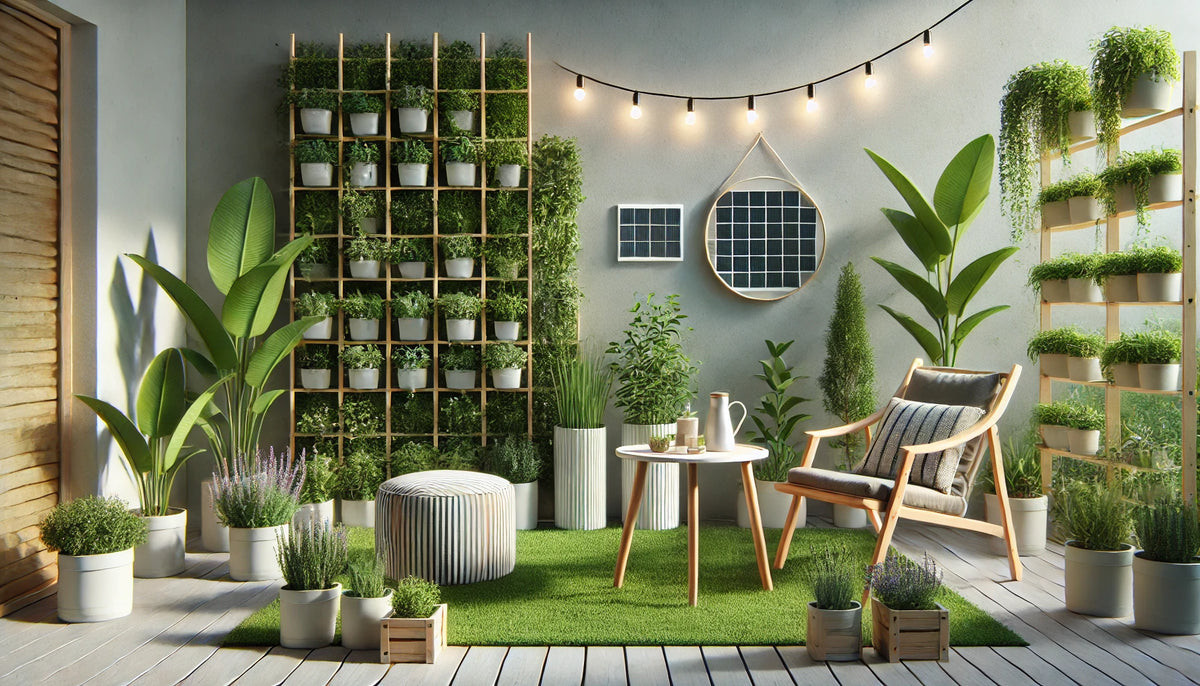
Aside from what plants to invest in, think about the placement in your garden. If space is limited, consider using vertical planting. This smart solution will help you create an aesthetically pleasing garden, even if space is a bit tight! You could use trellises with climbing plants or tiered planters to maximise the space, while adding depth to your garden design. Containers are also a great option for flexibility since they allow you to move plants around as needed.
Aside from the visual aesthetic of your garden, consider adding herbs like lavender, rosemary, or thyme. Not only do they smell wonderful, but they also serve a functional purpose by providing fresh ingredients for cooking. Their fragrance can elevate the sensory experience of your garden as well!
Bringing in Statement Pieces for a Personal Touch
As mentioned earlier, your garden is an extension of your home. And so, just like in your home’s interior, a statement piece can completely transform your garden. You could look to invest in a fire pit or water features for added functionality. Don’t believe us? When the evenings start to get a bit cooler, a fire pit can become a central spot for gatherings, keeping everyone warm while adding a striking element to the design. What’s more, is that it makes a fun talking point!
Like with any design choices you make to your home, try to keep your overall garden theme in mind, especially when picking a statement piece for your outdoor space. If you are opting for a modern garden, sleek, minimalist pieces work well, but if you are aiming for a rustic setting, vintage or handcrafted items might be more your speed. Ultimately, the key is to pick one or two bold items that enhance the space without overwhelming it.
Lighting Helps to Set the Ambience
Sadly, when it comes to decorating your garden, lighting is often overlooked, despite the impact it can have. With the right lighting in your garden, you can sit outside and enjoy your outdoor space, long after the sun has gone down. The lighting you choose for your garden can help you create a cosy and welcoming space – perfect for just being at one with nature, or spending time with friends.
Fortunately, there are plenty of outdoor lights for you to choose from. String lights or fairy lights, for instance, that are woven through trees or along fences can help to add a soft, magical touch to your garden. However, if you want your garden to be more sustainable, solar-powered lights along pathways are both eco-friendly and practical, helping to illuminate the way.
If you mix different types of lighting can create a layered effect, giving you control over the ambience. Lighting allows you to adapt your garden to any occasion, whether you want it to be romantic with a soft glow, or something more festive, with brighter, more colourful choices.
Cosy Corners for Relaxing and Entertaining
What’s the point of spending time investing and caring for your garden, if you don’t have a space to sit and admire it all? This is why you should have a comfortable seating area in your garden. Aside from offering a space of comfort, it can also make your garden instantly more inviting. There's no rush; browse through furniture options to ensure that you find one that offers style and comfort, like cushioned chairs or an outdoor sofa.
Now you know what options there are, the challenge is choosing how to design your garden. With these simple touches, your garden will be a place you love to spend time in—whether you’re alone or with friends.



0 comments