Across the globe, businesses are under increasing pressure to reduce their environmental impact. Whether driven by regulations, corporate responsibility, or customer expectations, industries are being challenged to find cleaner, more sustainable ways of operating. Technology is playing a vital role in this transition, offering practical solutions that allow companies to cut emissions, conserve resources, and minimise waste.
From energy-efficient systems to smarter waste management, innovation is proving that environmental responsibility and industrial productivity can go hand in hand.
Smarter Energy Use
One of the most significant technological advances is in energy efficiency. Intelligent monitoring systems now allow businesses to track their energy use in real time, identifying areas of waste and suggesting more sustainable practices.
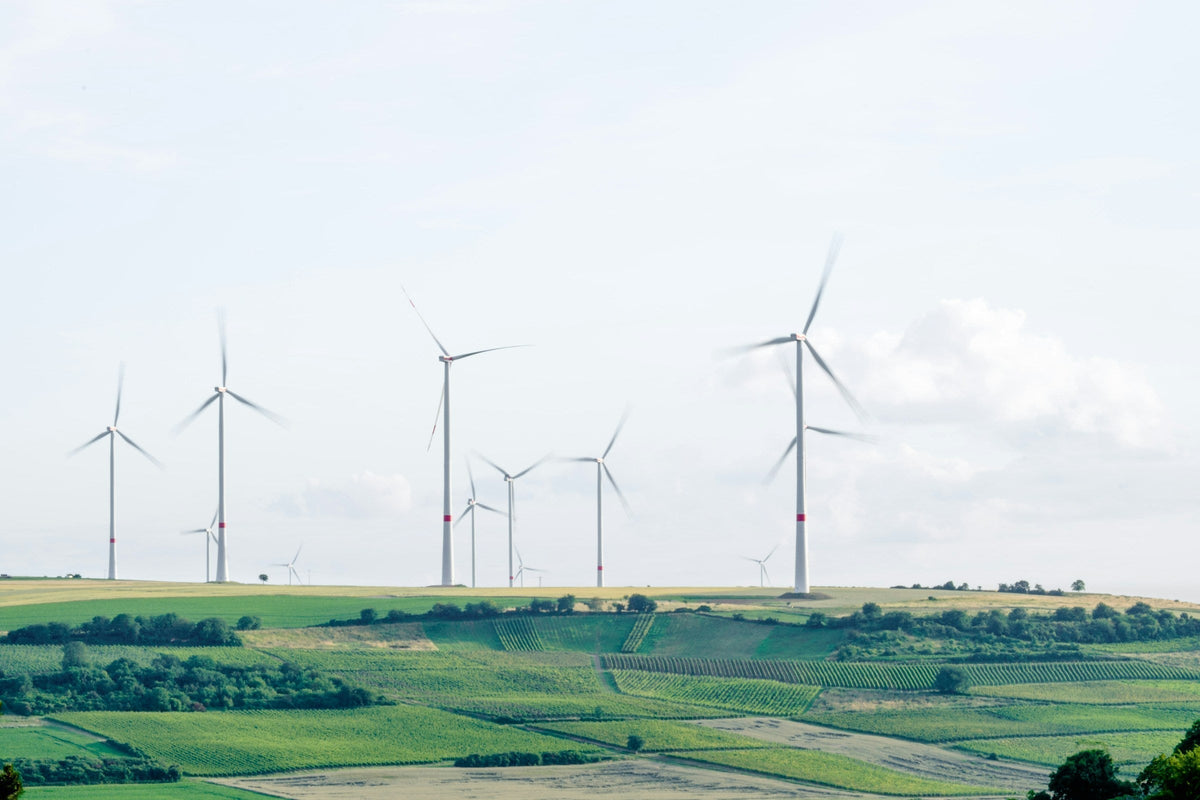
Similarly, renewable energy integration – from solar to wind – is being supported by advanced storage systems and grid technologies, making it easier for industries to adopt cleaner sources of power without sacrificing reliability.
Cleaner Manufacturing Processes
New manufacturing technologies are helping to reduce emissions and cut down on harmful by-products. Additive manufacturing (3D printing), for example, creates less waste compared to traditional production methods. Automation and robotics are also improving efficiency, reducing errors, and optimising resource use.
These advances not only benefit the environment but also increase productivity, helping companies remain competitive while adopting greener practices.
Tackling Industrial Waste
Waste management remains one of the toughest challenges for many sectors, particularly in industries that generate hazardous by-products. This is where innovation has the potential to make a profound difference.
Advanced Industrial Wastewater Treatment Solutions are enabling companies to handle pollutants more effectively, ensuring that harmful substances are removed before water is released back into the environment. By incorporating cutting-edge filtration, adsorption, and oxidation technologies, businesses can reduce their ecological footprint while also complying with strict environmental regulations.
For industries such as pharmaceuticals, petrochemicals, and food processing, these solutions are becoming an essential part of sustainable operations.
Data-Driven Decision Making
The rise of digitalisation has given businesses powerful tools for environmental management. With AI and machine learning, companies can analyse vast amounts of data to predict resource needs, optimise production processes, and even prevent equipment failures that could lead to waste or pollution.
These insights allow for smarter decision-making, ensuring that sustainability is embedded into everyday operations rather than treated as an afterthought.
Circular Economy Thinking
A growing number of industries are embracing circular economy principles – designing processes and products to minimise waste and keep resources in use for as long as possible. Advanced recycling technologies and material recovery systems are helping businesses close the loop, transforming waste into valuable resources.
Cutting-edge tech is not only making recycling more efficient but also making it possible to reclaim materials that were once considered unusable.
As industries face mounting pressure to reduce their environmental impact, technology is providing the tools to make meaningful change. From smarter energy use and cleaner production methods to advanced Industrial Wastewater Treatment Solutions, innovation is at the heart of sustainable progress.
By embracing these cutting-edge technologies, businesses can reduce their footprint, stay compliant with environmental regulations, and demonstrate their commitment to a greener future. Ultimately, the industries that adapt today will be the ones leading the way tomorrow.



0 comments