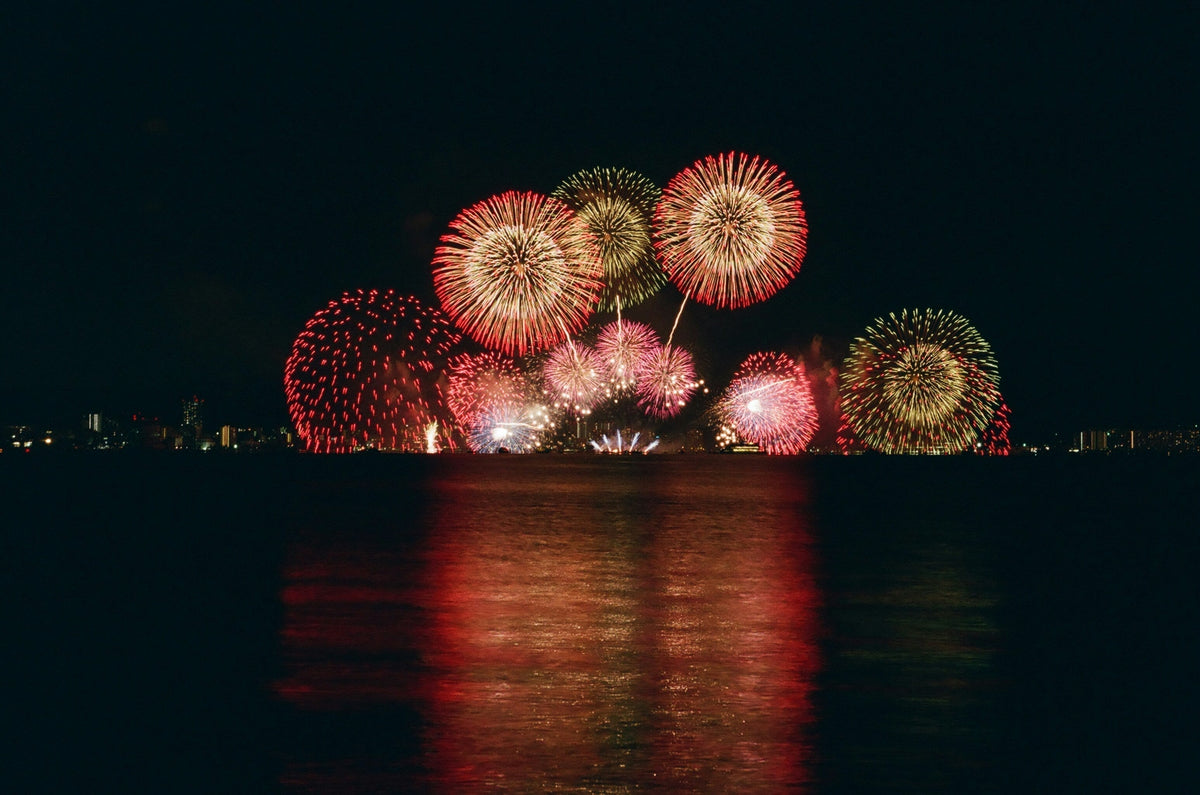
Fireworks have long captivated audiences with their vivid colours and awe-inspiring displays, serving as a staple of celebrations across cultures and around the world. Whether lighting up the sky on New Year’s Eve, Guy Fawkes Night, or during local festivals, these explosive displays evoke emotion, wonder, and joy. But is it merely the spectacle that makes fireworks so special, or is there something deeper at play?
The Historical Significance of Fireworks
Fireworks date back to ancient China, where they were used in religious ceremonies and festivals to ward off evil spirits. This tradition evolved, eventually making their way to Europe in the 13th century. The initial purpose was multifaceted: a means of communication, a symbol of victory, and, most notably, a grand display of wealth and power by monarchs.
Fast forward to today, and fireworks have become synonymous with celebration-be it weddings, national holidays, or personal milestones. The crackles and pops of pyrotechnics stir up a sense of communal joy, resonating deeply with those who gather to witness the spectacle.
But alongside this history of celebration comes the need for safety and caution. While fireworks undoubtedly enhance festivities, it is crucial to adopt essential precautions to ensure that enjoyment does not come at a cost. For a comprehensive overview of these safety measures, you can explore the essential precautions for fireworks that should be considered ahead of any display.
The Science of Celebration
At its core, the allure of fireworks lies in their ability to engage our senses. Fireworks manipulate sound, light, and timing, creating a multisensory experience. The vibrant colours and elaborate formations combine with the thunderous bursts to generate a sense of excitement and anticipation.
Moreover, the unexpected nature of fireworks can elicit strong emotional responses. People often recall the thrill of waiting for the next explosion, the communal gasps, and the collective oohs and aahs. When we watch fireworks, we are not just seeing; we're experiencing an event that transcends the individualistic approach to celebration.
Cultural Variations
Fireworks hold different meanings across cultures. In India, Diwali-also known as the Festival of Lights-is symbolised by the bursting of crackers to signify the triumph of light over darkness. In the United States, the Fourth of July is marked with extravagant displays that pay homage to independence and freedom.
In Japan, Hanabi (literally "fire flowers") festivals showcase stunning fireworks displays that evoke a feeling of togetherness, love, and nostalgia. Each cultural context adds layers to the fireworks experience, making it a unique expression of collective joy.
The Social Aspect of Fireworks
Fireworks bring people together, fostering a sense of belonging and community. During major events, families and friends gather, sharing in the anticipation and wonder of the explosions lighting up the night sky. These gatherings foster camaraderie as stories are shared, and memories are created over snacks and laughter.
Interestingly, studies have shown that shared experiences can amplify feelings of happiness and reduce feelings of isolation. Fireworks serve as a communal event that can strengthen relationships and create lasting bonds.
Environmental Considerations
Despite their beauty, fireworks come with a set of environmental concerns that cannot be overlooked. From air and noise pollution to the potential harm to wildlife, it is vital to consider the impact these displays can have on our planet. Some cities have begun opting for alternative celebrations-drone displays or laser shows, for instance-that mitigate environmental concerns while still offering a dazzling spectacle.
As we embrace the tradition of fireworks, it's essential to balance celebration with a responsibility towards our surroundings. Innovative approaches to holiday celebrations signify a shift in perspective that ultimately enhances the experience without compromising the environment.
Safety is Paramount
All too often, the excitement around fireworks overshadows the critical issue of safety. The increase in injuries associated with fireworks, particularly among children and young adults, highlights the need for proper handling and precautionary measures. Taking essential precautions ensures that the focus remains on joy and celebration rather than on accidents and scares.
For those planning personal displays or even attending public events, it is crucial to keep safety at the forefront. This means adhering to local laws and guidelines, using appropriate protective equipment, and, whenever possible, relying on professionals for larger displays. The coordinates of thrill and safety need not be mutually exclusive; they can coexist harmoniously with adequate planning and care.
Conclusion
Fireworks undoubtedly capture our imagination and heighten our celebrations, functioning as a vibrant backdrop to significant milestones and communal gatherings. Their historical significance reinforces this aspect, connecting us to our past while enabling a sense of continuity and belonging.
Yet, in our pursuit of dazzling displays, we must also consider the importance of safety and environmental responsibility. For this joy to endure, we as a society should take into account the essential precautions for fireworks.
Balancing the exuberance of these celebrations with thoughtful actions can ensure that fireworks continue to serve as the ultimate expression of our shared human experiences-highlighting both our desire for connection and joy in a safe and sustainable manner.



0 comments