Asbestos has many properties, making it a perfect choice for many manufactured goods. It’s flexible, strong, and resistant to heat and dangerous chemicals. It can withstand high-voltage electricity and be woven like a silk thread. A mineral so versatile it’s used often for homes and office spaces. Pipes, tiles, shingles, and even heat-resistant fabrics are worn by firemen and lovers of sports. But there’s a dark side to this mineral. A glooming danger behind its use. Asbestos is poisonous, and it’s a serious health and environmental hazard. The versatility comes at a cost many are not ready to pay and movements have put various restrictions on its use to prevent it from becoming a pandemic trigger. It’s not as dangerous as the use of uranium (a widespread practice at the end of the 19th century) but it doesn’t hurt to know its effects and impacts.
Its Effect on the Environment
Asbestos is a fine mineral, but those fine fabrics can be released into the air and soil easily. Something similar to microplastics being used for making many of the clothing we wear. Like polyester, you have it in your jacket, maybe even sports shoes you wear when going to the gym. But that’s not the only issue, as it’s so versatile that industries love to use it for their machines and construction materials. You’ve heard of asbestos pipes in old buildings; they're long-lasting, but once there’s a little leak, asbestos gets released quickly into the water supply, contaminating the whole area. The air, soil, and water become faulty and it’s not safe from that point on. And even if there are regulations put in place to handle and deal with this asbestos, sometimes mistakes happen. It’s not something that goes away after a few months or years, asbestos tends to stay for decades to come, poisoning everything it comes in touch with.
The Risk It Poses for the Wildlife
Asbestos is categorized as a cancer-causing agent. It’s bad both for humans and animals. In animal studies, there’s a higher risk of developing various cancers due to long-term asbestos exposure. Now imagine when it gets released in the soil water. Animals drink the water, eat the fruits of the soil, and become sick very fast. Before you know it, you can have viruses and diseases spreading quickly. The major issue is livestock, as all animal products we derive from contaminated livestock put our health at a similar risk. All these disruptions are creating a big hole in the ecosystem and the only way this exact ecosystem can heal itself is time. Time to regenerate and make a complete recovery. Something impossible if the use of asbestos is not restricted and highly regulated.
We Need Testing!
We can call it a pandemic, and we need a cure to fight it. The idea should be to start small and work up over time, from smaller homes built circa the 70s and 80s to the present day. And we can all make an effort. There are many safe asbestos inspections conducted by professional companies that offer their services to everyone, especially houses that are built around this time, and maybe even before that, probably have asbestos in the water pipes, tiles, and walls. Often the shingles and other construction parts also have it or they might be contaminated. It’s a small thing but a huge step forward. Then came buildings, office spaces, and old living blocks also constructed around this period. It’s costly to make major renovations and to replace old pipes with new ones; those who can are at a certain advantage and they’re doing their part but those of us who can’t make sure these tests are being done often and regularly to stop the spread of asbestos and it’s the effect it has on our health.

How Should We Go About Removing It?
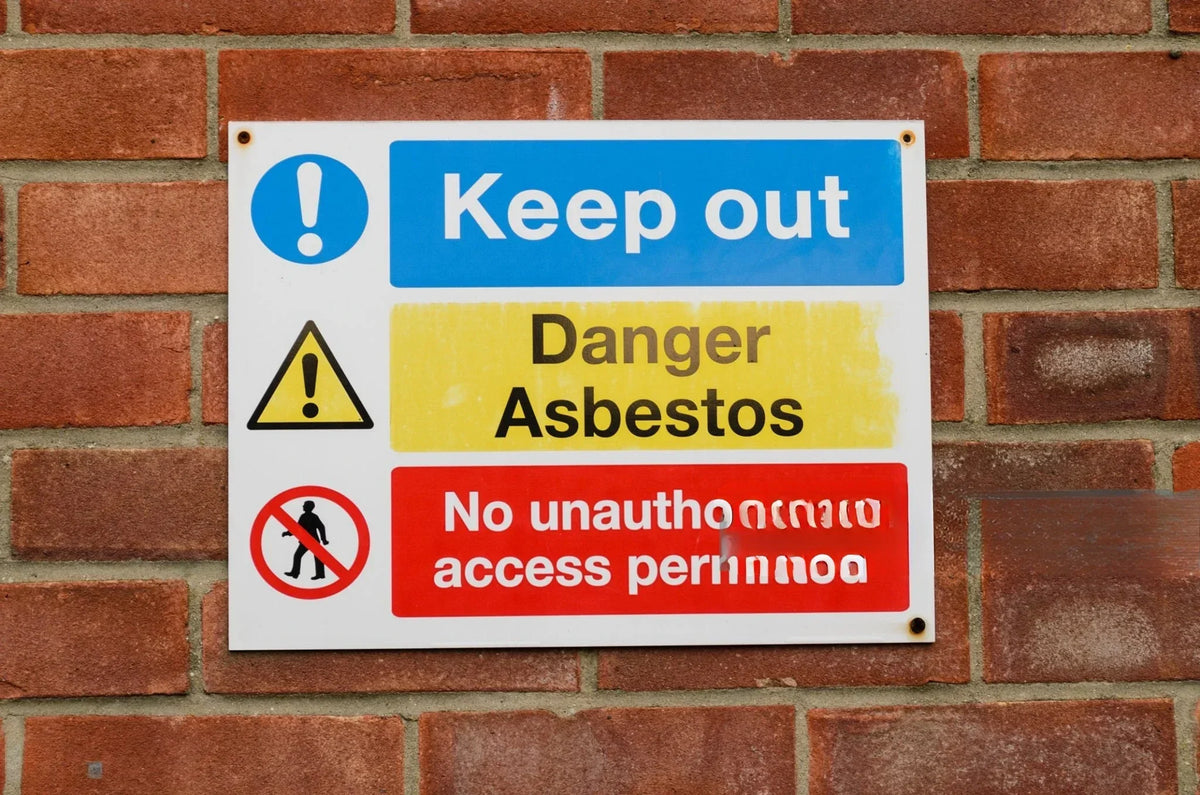
It’s a tricky matter and something that should be done by certified professionals. There’s special equipment in place to make sure that it doesn’t spread while removing it. There are also rules to be followed, so-called preventive measures of safe disposal. And if the case is too dire for anything to be done, these places need to be sealed and not made open to the public. Old buildings and office spaces are quite the issue and any access, especially for kids (it’s not a playground), should be strongly prohibited.
We Should Think About the Future
What we do now reflects on everything that happens later. Each day passing might be creating more risk for us and our kids. Asbestos has been used so often that the only way to make sure we’ll have a better future for us and our children is to act as soon as we can to prevent it.
It makes you wonder why something that poses a certain danger has been used in the first place, but it also shows human error and neglect of both characteristics that put us at risk but make us human after all.