Asbestos has been used for some time now because of its unique properties. Asbestos minerals have physical properties (high tensile strength, flexibility, resistance to heat and chemicals, high electrical resistance, and the capability to be woven like fabric) that make them useful in many commercial products. And although its versatility makes it appealing to many manufacturers, over time we’ve become increasingly aware of its downsides and negative effects both on the environment and human health. Many might doubt it, call it propaganda, or point fingers at environmentalists and medical experts but numerous studies have linked the material to several diseases. In the text below, we’ll delve deeper into the topic and see what kind of environmental and health impact asbestos has.
Environmental Contamination
The major issue with asbestos is its process of deterioration, over time the micro parts and the tiny fibers of asbestos are slowly released into the environment if not properly disposed of. The aftermath of this sort of contamination for the whole environment can be catastrophic. Whole ecosystems are greatly affected by the material, as fibers can be inhaled by animals or ingested through contaminated water sources. Another factor is the long-term effects asbestos has on the environment, because of its durability it’s been used in commercial purposes for decades now. Those same properties that make it great for a variety of products are the same features that lead to asbestos resisting natural factors and persisting while time goes on. The contamination, which harms water sources, and animals, and is being absorbed by the soil will probably be still present long after we’re gone.
Health Risks of Asbestos Exposure
The primary health concern associated with asbestos is its link to serious respiratory diseases. The small particles of asbestos fiber, when inhaled, can cause over time diseases such as asbestosis, lung cancer, and mesothelioma - a rare and aggressive cancer of the lung lining. Unfortunately, many multimillion-dollar companies are using asbestos in their day-to-day operations. The major issue is the handling and disposal of asbestos which often puts the workers at serious health risks. If you’ve worked for GE – Lynn, MA or Salem, MA, or similar companies and have had issues due to asbestos exposure, thankfully, there are many funds and law companies that would be more than happy to fight your battle as you’re entitled to compensation because of everything you’ve suffered. All the illnesses we’ve mentioned, all these conditions usually develop over the years, decades yet to come. Early detection is practically impossible because of the nature of the disease itself, but asbestos-related illnesses still pose a risk and have a high mortality risk. To prevent it, stringent exposure controls and monitoring, particularly in industries where asbestos is still in use would need to be imposed.

Regulatory Measures and Bans
Because of the severe impact it has on the environment and the health of people, the removal and disposal of asbestos-containing materials and products should be strictly regulated. Many countries recognized these issues, and have put into motion new laws and regulations as preventive measures to stop the widespread of an epidemic. These measures include prohibiting the production, import, and use of asbestos-containing materials, as well as enforcing safe removal and disposal practices. All the bans and regulatory measures hopefully will prevent the spread of diseases directly caused by asbestos.
Challenges in Asbestos Abatement
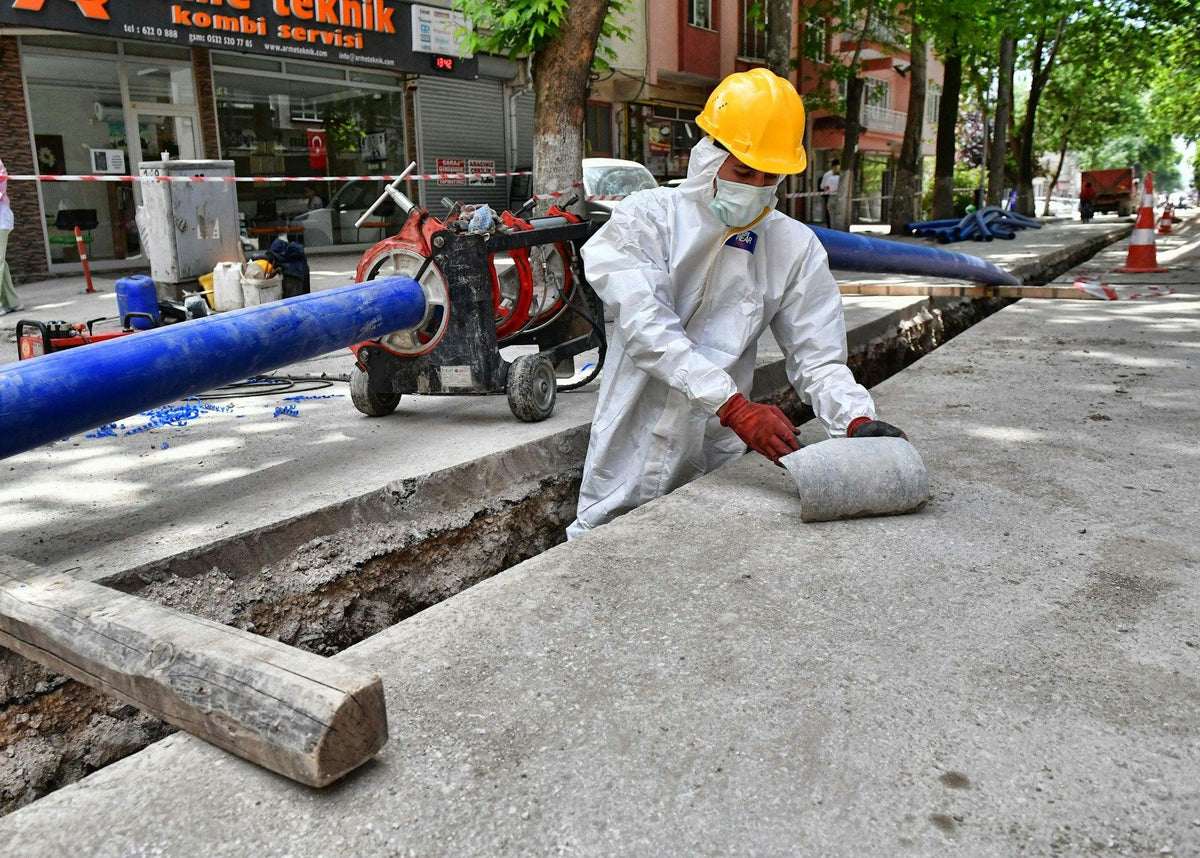
The safe removal of asbestos-containing materials can be a complex and expensive process. The main issue is to prevent fiber from being released while handling the material, then again there is working with old buildings and challenging infrastructure, old pipes, and their safe removal. Because it can be costly, many companies often choose shortcuts and simply remove the material or demolish the buildings. This can cause a chain effect as the particles can be blown by the wind and spread all over. It’s important to adhere to regulations and laws while handling these materials.
Public Awareness and Education
The major issue with asbestos is the public’s lack of education and knowledge on the topic. As asbestos has been used for decades now many believe in its safety if installed and handled properly. But, deterioration and natural factors nevertheless play a vital role. Educating the public on asbestos poisoning, and its presence in presence of asbestos in older homes, schools, and public buildings mind change the public mindset. Empowering communities to know more about it and do something about it might save many lives.
What we lack is a deeper understanding of the fragility of our delicate ecosystem and how even the smallest change can affect it negatively. Once absorbed by the soil it gets into water streams and other water sources. It gets into the food we eat because of it, and the air we breathe, and the water we drink. It can go unnoticed and undetected for decades and cause early onset of lung-related diseases without any previous indications. The possibilities are endless yet we lack to understand the long-term effects and consequences.



0 comments