Medical travel is becoming increasingly common, but a successful procedure is only one part of the journey. Recovery often continues long after returning home, making wellbeing, rest and aftercare just as important as choosing the right clinic or specialist. Whether travelling for dental treatment, fertility care, cosmetic procedures or other medical services, patients benefit from preparing for recovery before they leave their destination. Prioritising quality sleep, staying hydrated, eating nourishing meals and following professional aftercare guidance can all support the body's natural healing process. Gentle movement, stress management and maintaining realistic expectations may also help improve both physical and emotional wellbeing during recovery. Creating a calm environment at home, staying connected with healthcare providers and allowing sufficient time for rest can make the transition back to everyday life smoother and more comfortable. At Friendly Turtle EcoBlog, we believe wellbeing is built through mindful habits and conscious lifestyle choices, particularly during periods when the body requires extra support. This guide explores practical ways to support your wellbeing after medical travel, helping you focus on recovery, balance and long-term health while developing positive habits that can continue benefiting your wellbeing long after the journey itself has ended.
Share your articles with us and get published! Reach out at hello@friendlyturtle.com.
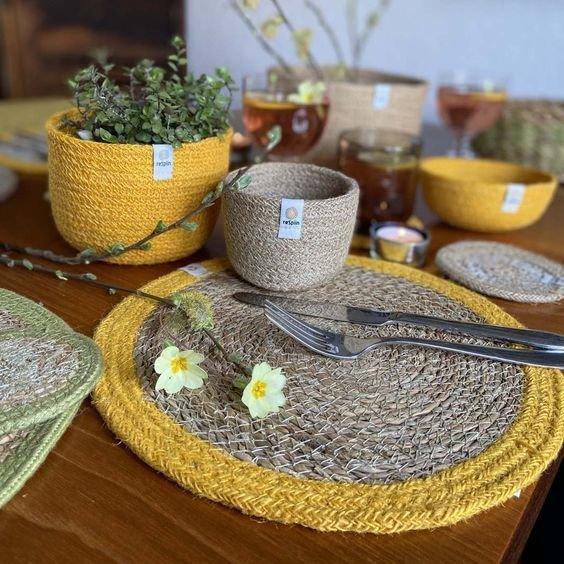
Elegant and Attractive Jute Table Mats
While we all want to undertake eco-friendly steps and make the earth a better place for us and the coming generations, the few options available sometimes makes this difficult for us to make the right choices. Fortunately, e-commerce stores are now bringing a wide range of eco-friendly options that can reduce our reliance on plastic and and instead promote sustainable materials. Jute, used in our jute table mat, is a natural fibre that offers many benefits to the environment during its growth and even after. When you want to buy the best looking table mats for your dining table and home from a leading plastic-free shop in the UK, the jute dining mats can be a viable and eco-friendly option.
How your Jute dining mats benefit the environment
Jute is a naturally grown material that absorbs a huge amount of carbon dioxide during its growth and production. Jute's growth reduces the level of carbon dioxide in the atmosphere and the adverse effects of global warming. Hence, the use of jute mats is a highly ethical and sustainable approach that is environmentally friendly and makes the earth a better place for everyone living on it. Jute plants can also trap or create the nutrients and enrich any soil on which they are grown. Therefore, their plantation is great for communities and farms that want to enhance the productivity of their fields.
Hygienic and Safe
The leading manufacturers of jute mats (sustainable homeware) ensure that they only use quality production processes. The handmade products do not have any chemicals added to them that can be harmful to human health. These dining mats can be safely used for any of dining and serving purposes. The use of a jute table mat also prevents the undesired marks, spills, or residues that are sometimes left behind on our dining tables. The beautiful impression they make is always enjoyable and will be appreciated by your relatives, friends, and family members.
Affordable Prices
The jute dining mats are made of organic materials and are incredibly affordable whilst also being a highly sustainable homeware. The same is also true for other kinds of products containing jute. Therefore, you can add aesthetics, elegance, and hygiene to your dining tables and standards at quite a low cost when you use the organic and zero waste jute dining mats.
The jute dining mats are available in a range of beautiful colours from natural dyes, and designs which can be purchased online at our online plastic-free shop in the UK.
0 comments
Let customers speak for us
Blog posts
Pilates offers far more than physical exercise; it provides a practical way to slow down, reconnect with the body and create space for calm in an increasingly fast-paced world. With many people spending long hours in front of screens and juggling constant notifications, mental fatigue, stress and physical tension have become common parts of everyday life. Pilates helps counter these challenges by encouraging mindful movement, focused breathing and full-body awareness. Through controlled exercises and diaphragmatic breathing techniques, it can support nervous system regulation, improve posture and help release tension that often builds up in the neck, shoulders and lower back. The practice also creates a valuable opportunity to step away from digital distractions, allowing the mind to rest and refocus. Over time, increased body awareness can help individuals recognise the early signs of stress and respond more intentionally before they become overwhelming. At Friendly Turtle EcoBlog, we believe sustainable wellbeing is built through simple habits that nurture both physical and mental health. This article explores how Pilates can support stress relief, emotional resilience and mindful living, making it a valuable tool for anyone seeking greater balance, focus and wellbeing in modern daily life.
Health and wellness choices should be guided by clear, honest information rather than vague claims, trend-led marketing or incomplete product descriptions. As consumers become more careful about what they put in or on their bodies, transparency is becoming essential across supplements, healthcare services, wellness products and everyday wellbeing decisions. Clear ingredient lists, evidence-based information, honest communication and accountability help people make safer, more confident choices while reducing the risk of misinformation. This Friendly Turtle EcoBlog article explores why transparency matters in modern health and wellness, from building trust between providers and consumers to helping people understand potential risks, benefits and alternatives before making decisions. It also highlights how openness can support more conscious living by encouraging people to question marketing claims, look for reliable information and choose brands or services that value honesty, responsibility and long-term wellbeing.
