Parquet flooring remains a timeless choice for homeowners who want warmth, character, and long-lasting style underfoot, but choosing between solid and engineered parquet involves more than appearance alone. From a sustainability point of view, the decision often comes down to durability, material efficiency, installation needs, and how well the floor performs over time in real living conditions. Solid parquet offers the appeal of natural hardwood throughout and can be sanded and refinished many times, making it a strong long-term option in the right environment. Engineered parquet, meanwhile, uses a thinner real wood layer over a stable core, which can make better use of timber resources and improve performance in spaces with changing humidity or underfloor heating. For readers of the Friendly Turtle EcoBlog, this is exactly the sort of design choice where practicality and sustainability meet. Understanding how each flooring type is made, where it works best, and how long it is likely to last can help create a home that feels both beautiful and environmentally responsible. Choosing well-made flooring once, rather than replacing poor-quality materials repeatedly, is often the greener path.
Share your articles with us and get published! Reach out at hello@friendlyturtle.com.
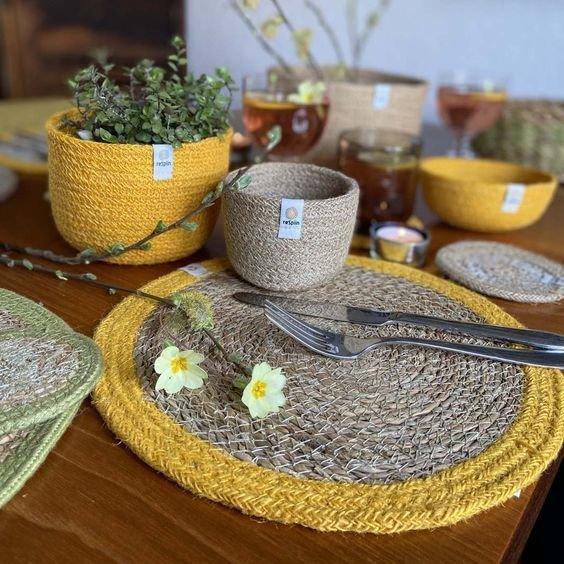
Elegant and Attractive Jute Table Mats
While we all want to undertake eco-friendly steps and make the earth a better place for us and the coming generations, the few options available sometimes makes this difficult for us to make the right choices. Fortunately, e-commerce stores are now bringing a wide range of eco-friendly options that can reduce our reliance on plastic and and instead promote sustainable materials. Jute, used in our jute table mat, is a natural fibre that offers many benefits to the environment during its growth and even after. When you want to buy the best looking table mats for your dining table and home from a leading plastic-free shop in the UK, the jute dining mats can be a viable and eco-friendly option.
How your Jute dining mats benefit the environment
Jute is a naturally grown material that absorbs a huge amount of carbon dioxide during its growth and production. Jute's growth reduces the level of carbon dioxide in the atmosphere and the adverse effects of global warming. Hence, the use of jute mats is a highly ethical and sustainable approach that is environmentally friendly and makes the earth a better place for everyone living on it. Jute plants can also trap or create the nutrients and enrich any soil on which they are grown. Therefore, their plantation is great for communities and farms that want to enhance the productivity of their fields.
Hygienic and Safe
The leading manufacturers of jute mats (sustainable homeware) ensure that they only use quality production processes. The handmade products do not have any chemicals added to them that can be harmful to human health. These dining mats can be safely used for any of dining and serving purposes. The use of a jute table mat also prevents the undesired marks, spills, or residues that are sometimes left behind on our dining tables. The beautiful impression they make is always enjoyable and will be appreciated by your relatives, friends, and family members.
Affordable Prices
The jute dining mats are made of organic materials and are incredibly affordable whilst also being a highly sustainable homeware. The same is also true for other kinds of products containing jute. Therefore, you can add aesthetics, elegance, and hygiene to your dining tables and standards at quite a low cost when you use the organic and zero waste jute dining mats.
The jute dining mats are available in a range of beautiful colours from natural dyes, and designs which can be purchased online at our online plastic-free shop in the UK.
0 comments
Let customers speak for us
Blog posts
Getting rid of an old carpet may seem like a simple home task, but it can carry a much bigger environmental impact than many people realise. Bulky, awkward, and often made from mixed materials, carpets are frequently sent to landfill or incineration when they could potentially be cleaned, reused, or recycled instead. For readers of the Friendly Turtle EcoBlog, this is exactly where more thoughtful choices can make a real difference. Before replacing a worn carpet, it is worth considering whether professional cleaning could extend its life and prevent unnecessary waste. If removal is unavoidable, the next best step is to explore reuse opportunities, take-back schemes, or local recycling options before turning to general disposal. Preparing the carpet properly, separating underlay where required, and checking local collection rules can also make eco-friendly disposal much easier. Choosing lower-impact flooring next time including natural fibre alternatives can help reduce waste even further. Small decisions at home, from maintenance to disposal, all play a part in building a more sustainable lifestyle.
Eco-friendly living is often discussed in terms of reducing waste, saving energy and protecting the planet, but its effect on emotional wellbeing is just as meaningful. In this article, Friendly Turtle EcoBlog explores how simple sustainable habits can support a calmer, more balanced everyday life. Small actions such as spending time in nature, gardening, reducing unnecessary purchases and choosing reusable items can help people feel more grounded, purposeful and connected to the world around them. These habits encourage mindfulness by bringing more attention to everyday choices, while also creating a greater sense of consistency and control, which can be especially valuable during stressful or overwhelming periods. Friendly Turtle EcoBlog highlights how sustainable living is not only about environmental responsibility, but also about building routines that feel steadier, more intentional and more rewarding. By starting with manageable changes and focusing on progress rather than perfection, it becomes easier to create habits that support both the planet and personal wellbeing. In this way, greener choices can have a positive impact both internally and externally, helping people feel more connected, more mindful and more hopeful about the future.
