Let's talk eco friendly periods...
When we’re having those frustrating cramps and uncontrollable mood swings, looking for eco friendly period options isn’t exactly going to be our number one priority...especially when disposable tampons and pads have been our go-to options for years.
But let’s take a moment to think about how much waste these products create. To give you an idea, a single person who menstruates will use somewhere between 5,000 and 15,000 pads and tampons in their lifetime.
That’s a lot of waste!
What's more, is that every tampon you have ever used is still sitting in a landfill somewhere, and will take over 500 years to biodegrade....
The good news is that there's a wide range of eco friendly period options that can help you prevent period leaks and protect the environment at the same time. So, keep reading to find the best eco friendly period products to use in 2022!

Best Plastic-free Period Options to Use in 2022
Eco friendly period options are plastic-free alternatives to traditional tampons, sanitary pads, and panty liners. At first, it might be scary to try something new, but there’s no need to worry. Here are some zero waste period alternatives that will make you forget about traditional pads and tampons!
Want to know the best part? We’ve put together different zero waste period options so you can choose the right one for you to feel confident at all times of the day and night!
(Spoiler alert: Some of them even do a better job than conventional options!)

Organic Pads and Tampons
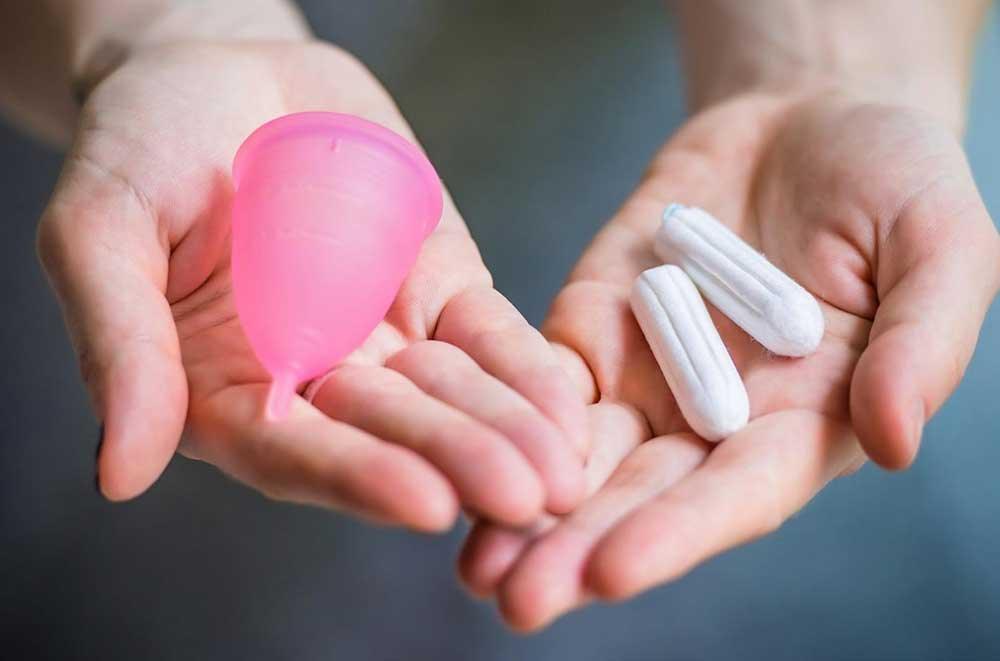
It turns out that menstrual cups are not the only plastic-free period product out there. If you’d like to make your period more sustainable but you feel comfortable using disposable pads and organic tampons, you could use these eco friendly period options instead.
Most people don’t know that traditional pads and tampons contain traces of toxic chemicals, like pesticides. And that’s not to mention they’re typically bleached with chlorine and made of plastics. As you’re probably thinking, these chemicals shouldn’t be near the most sensitive area of your body!
On the other hand, biodegradable sanitary pads, liners, and tampons are completely made of organic cotton. In other words, these zero waste period options are kind to your skin and they will biodegrade within a few months, while regular options could take centuries to decompose!
Plus, you won’t have to worry about plastic packaging either.

Reusable Pads
Would you like to reduce your waste? Then you could use reusable sanitary pads. Fortunately, this eco friendly period option is nothing like the cloths and rags our grannies had to use in the past. Nowadays, you can find discreet reusable pads, but still more absorbent than your traditional sanitary pads!
With proper care, this eco friendly period option could last three to five years, enough time to replace hundreds of disposable pads and tampons. Not only will you reduce waste, but also save money in the long run!
And there’s more good news: Similar to conventional sanitary pads, there are different reusable pads for light, moderate, and heavy flow.
Period Underwear
Although this zero waste period option might come as an odd alternative, it’s actually a good choice to reduce waste on your light days. zero waste period panties have multiple absorbent layers of fabric and some of them catch more fluid than tampons.
What’s more, period underwear could serve as a backup if you wear it along with another eco friendly period option, like a biodegradable tampon or a reusable pad. And let’s not forget that they’re washable too, so you can reuse them over and over again!

Menstrual Cup
Menstrual cups are the ultimate zero waste period option. This eco friendly period product is usually made of medical-grade silicone or natural rubber latex. Instead of absorbing menstrual blood as tampons do, menstrual cups collect it. And they can be worn for up to 12 hours!
Afterwards, you just need to dispose of the blood, rinse, and reinsert it. Not sure how to insert a menstrual cup or generally how to use it? After a couple of uses you will be a pro in no time, so no need to worry
But that’s not all, this eco friendly period product can last up to 10 years with proper care. Although it cost more up front, they will replace tons of disposable options and save you a lot of money every year!

Hopefully, you can find an eco friendly period option that works for you. But if you’re not ready to make the switch yet, don’t worry. You could stop using plastic applicators and pop in the tampons with your fingers instead. That’s a good first step to reducing waste and having a zero waste period!
Sources:



0 comments