Health and wellness choices should be guided by clear, honest information rather than vague claims, trend-led marketing or incomplete product descriptions. As consumers become more careful about what they put in or on their bodies, transparency is becoming essential across supplements, healthcare services, wellness products and everyday wellbeing decisions. Clear ingredient lists, evidence-based information, honest communication and accountability help people make safer, more confident choices while reducing the risk of misinformation. This Friendly Turtle EcoBlog article explores why transparency matters in modern health and wellness, from building trust between providers and consumers to helping people understand potential risks, benefits and alternatives before making decisions. It also highlights how openness can support more conscious living by encouraging people to question marketing claims, look for reliable information and choose brands or services that value honesty, responsibility and long-term wellbeing.
Share your articles with us and get published! Reach out at hello@friendlyturtle.com.
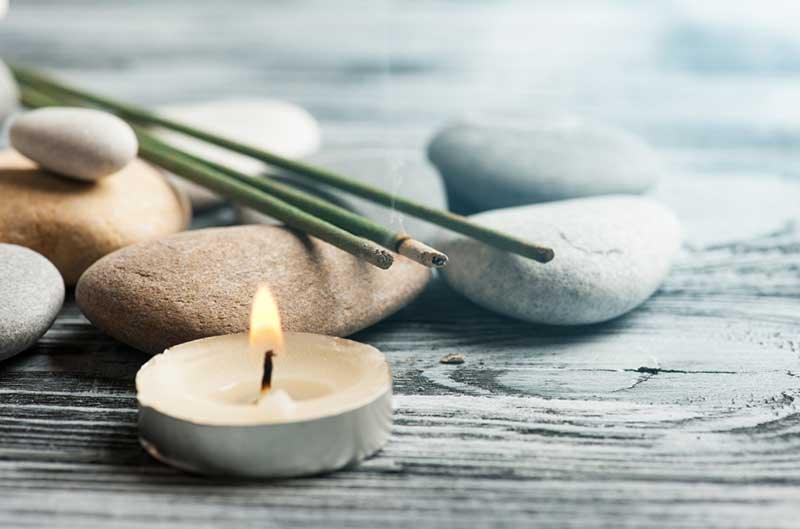
Are Candles Vegan? Eco Friendly Candles Explained
Not All Candles Are Created Equal
Maybe you were lighting a tealight candle to heat scented oil or putting some birthday candles on your cake, but then it hit you:
“Are candles vegan?” “How do I know if my candles are vegan?”
“What about eco-friendly candles? Are they suitable for vegans too?”
Not eating meat and other animal products is a great start. But as you might know, veganism goes far beyond diet. And while it might be easy to identify some vegan products, that’s not always the case!
But don’t worry! In this article, we will mention some things you need to know before purchasing vegan soy wax candles that suit your vegan lifestyle!
Are Candles Vegan?
The short answer is: Sometimes.
In other words, some candles are vegan and others are not.
And that’s not all. In some cases, it’s difficult to determine whether some candles are vegan or not, so they fall into a grey area.
So, let’s mention what makes candles vegan and what doesn’t. You should avoid animal-derived ingredients, such as Stearic acid, tallow, or beeswax. Most of the time, conventional candle-makers use these non-vegan ingredients to provide opacity and harden the finished product.
Keep in mind that stearic acid can be derived from animals or plants. That said, if you can’t find this info on the packaging, you should stay away from this ingredient. It’s not worth the risk!
Are Paraffin Wax Candles Vegan?
As you probably already know, paraffin wax is derived from petroleum. So, it’s natural to think that paraffin wax candles are vegan, right?
Well, let’s say eco friendly candles are gaining popularity and this might be one of the reasons:
Candle-makers need to harden the paraffin wax with chemicals, like stearic acid. As stearic acid derived from animal fat is cheaper, they rarely use plant-based options. And to make things worse, the smoke of paraffin wax candles can cause allergic reactions and potentially damage your health!
So as a general rule, the best option is to prefer eco-friendly candles.

Does that Mean All Eco Friendly Candles are Vegan?
Well, that’s not necessarily true.
Although eco friendly candles are made from natural wax, some of them are made from beeswax. Since obtaining this ingredient can have negative effects on bees, eco friendly candles made from beeswax are not vegan friendly.
What’s the Best Vegan Candle for You and the Environment?
Even though there are many eco friendly candles to choose from, vegan soy wax candles stand out from the rest. Not sure why? Check what makes them so popular:
- Soy wax candles are better for the environment because they’re made from a renewable resource: soybeans.
- Soy wax candles are vegan, environmentally friendly, biodegradable, natural, and sustainable.
- Unlike paraffin wax candles, vegan soy wax candles are non-toxic. As they don’t emit carcinogenic compounds, they’re much better for your health!
- These eco-friendly candles produce less soot and last longer than regular candles!
Now that you know all this information, you will be able to answer your friends when they ask you: “Are candles vegan?” But more importantly, you can recommend them the best vegan and eco friendly candles to use!
Dont like burning candles in your home but love their fresh scents? Try a natural reed diffuser as an alternative
0 comments
Let customers speak for us
Blog posts
London is one of the best cities in the world for a sustainable weekend break, offering a rich mix of history, culture, green spaces and locally owned businesses that can be explored with minimal environmental impact. Thanks to its extensive public transport network, walkable neighbourhoods and abundance of free attractions, visitors can experience the capital without relying heavily on taxis or private vehicles. From iconic landmarks such as Big Ben, Westminster Abbey and Buckingham Palace to world-class museums including the British Museum and the Natural History Museum, there are countless opportunities to enjoy London while travelling more consciously. Exploring areas such as Notting Hill, Shoreditch and Covent Garden also allows visitors to support independent shops, cafés and local markets. A stroll along the South Bank, a visit to Borough Market or a day spent discovering the city’s parks and riverside paths can provide a memorable experience while encouraging a slower pace of travel. At Friendly Turtle EcoBlog, we believe sustainable travel is about making thoughtful choices that benefit both travellers and the places they visit. This guide highlights how to enjoy London’s famous attractions, vibrant food scene and hidden gems while embracing a more mindful, low-impact approach to exploring one of Europe’s most exciting cities.
Sustainable RV living is about making life on the road lighter, cleaner and more responsible without losing the freedom that makes travel so appealing. From solar panels and LED lighting to reusable bottles, biodegradable toiletries and water-saving fixtures, small everyday choices can significantly reduce the environmental impact of RV and campervan travel. Waste reduction is especially important on the road, where single-use plastics, packaged food and disposable products can quickly build up during long journeys. Planning meals ahead, shopping from local markets and using refillable or reusable essentials can help create a more mindful and low-waste routine. Choosing a smaller, more efficient RV can also reduce fuel use and make off-grid living easier to manage with renewable power. At Friendly Turtle EcoBlog, we believe sustainable travel is about respecting the places we explore while building habits that are practical enough to last. This guide looks at simple ways to make RV living more sustainable, from conserving water and reducing waste to using eco-friendly products and making smarter choices for life on the road.
