Scaffold towers provide a safe and practical way to carry out many home maintenance and renovation projects, from painting ceilings and repairing gutters to repointing brickwork and exterior decorating. Choosing the correct tower height, understanding stability requirements and following essential safety guidance can help prevent accidents while improving efficiency on site. Hiring reusable aluminium scaffold towers instead of purchasing equipment for occasional use can also support a more sustainable approach to DIY by reducing unnecessary consumption and encouraging the shared use of durable resources. Knowing when a scaffold tower is the right solution, and when alternatives such as podium steps or scissor lifts are more appropriate, helps homeowners complete projects safely and responsibly. At Friendly Turtle EcoBlog, we believe sustainable home improvement is about making informed choices that protect both people and the planet. This guide explains scaffold tower heights, safety checks, PASMA guidance and practical alternatives, helping readers carry out renovation and maintenance work with greater confidence while reducing waste and extending the life of their homes.
Share your articles with us and get published! Reach out at hello@friendlyturtle.com.
Are Candles Vegan? Eco Friendly Candles Explained
Not All Candles Are Created Equal
Maybe you were lighting a tealight candle to heat scented oil or putting some birthday candles on your cake, but then it hit you:
“Are candles vegan?” “How do I know if my candles are vegan?”
“What about eco-friendly candles? Are they suitable for vegans too?”
Not eating meat and other animal products is a great start. But as you might know, veganism goes far beyond diet. And while it might be easy to identify some vegan products, that’s not always the case!
But don’t worry! In this article, we will mention some things you need to know before purchasing vegan soy wax candles that suit your vegan lifestyle!
Are Candles Vegan?
The short answer is: Sometimes.
In other words, some candles are vegan and others are not.
And that’s not all. In some cases, it’s difficult to determine whether some candles are vegan or not, so they fall into a grey area.
So, let’s mention what makes candles vegan and what doesn’t. You should avoid animal-derived ingredients, such as Stearic acid, tallow, or beeswax. Most of the time, conventional candle-makers use these non-vegan ingredients to provide opacity and harden the finished product.
Keep in mind that stearic acid can be derived from animals or plants. That said, if you can’t find this info on the packaging, you should stay away from this ingredient. It’s not worth the risk!
Are Paraffin Wax Candles Vegan?
As you probably already know, paraffin wax is derived from petroleum. So, it’s natural to think that paraffin wax candles are vegan, right?
Well, let’s say eco friendly candles are gaining popularity and this might be one of the reasons:
Candle-makers need to harden the paraffin wax with chemicals, like stearic acid. As stearic acid derived from animal fat is cheaper, they rarely use plant-based options. And to make things worse, the smoke of paraffin wax candles can cause allergic reactions and potentially damage your health!
So as a general rule, the best option is to prefer eco-friendly candles.

Does that Mean All Eco Friendly Candles are Vegan?
Well, that’s not necessarily true.
Although eco friendly candles are made from natural wax, some of them are made from beeswax. Since obtaining this ingredient can have negative effects on bees, eco friendly candles made from beeswax are not vegan friendly.
What’s the Best Vegan Candle for You and the Environment?
Even though there are many eco friendly candles to choose from, vegan soy wax candles stand out from the rest. Not sure why? Check what makes them so popular:
- Soy wax candles are better for the environment because they’re made from a renewable resource: soybeans.
- Soy wax candles are vegan, environmentally friendly, biodegradable, natural, and sustainable.
- Unlike paraffin wax candles, vegan soy wax candles are non-toxic. As they don’t emit carcinogenic compounds, they’re much better for your health!
- These eco-friendly candles produce less soot and last longer than regular candles!
Now that you know all this information, you will be able to answer your friends when they ask you: “Are candles vegan?” But more importantly, you can recommend them the best vegan and eco friendly candles to use!
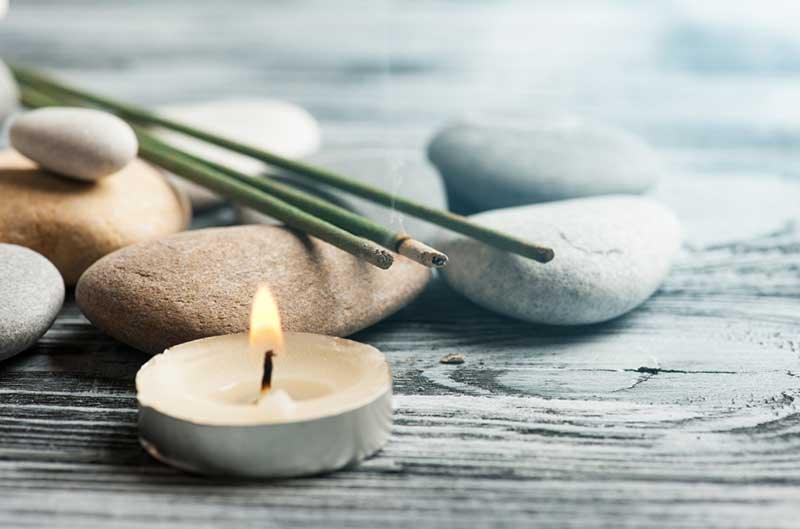
Dont like burning candles in your home but love their fresh scents? Try a natural reed diffuser as an alternative
0 comments
Let customers speak for us
Blog posts
Sustainable homeownership starts long before major structural repairs become necessary. While many homeowners focus on improving insulation, upgrading windows or reducing household energy use, protecting a home's foundation is just as important for lowering environmental impact. Preventing foundation damage helps avoid resource-intensive repairs that often require large amounts of concrete, steel, heavy machinery and construction waste. Fortunately, simple maintenance habits can make a significant difference. Keeping gutters and downpipes clear, managing rainwater effectively, maintaining consistent soil moisture, improving drainage, grading the landscape correctly and choosing native, drought-tolerant planting all help protect a home's structural integrity while conserving natural resources. At Friendly Turtle EcoBlog, we believe the most sustainable home improvements are often preventative rather than reactive. Caring for your home's foundations not only extends the lifespan of the property but also reduces waste, lowers future repair costs and supports a more responsible approach to home maintenance. This guide explores practical, eco-friendly strategies that help homeowners prevent foundation damage before it starts, creating healthier, longer-lasting homes with a smaller environmental footprint.
Organic surfaces have become a defining feature of sustainable modern homes, offering a timeless alternative to trend-driven interiors. Natural materials such as timber, stone, clay and linen introduce warmth, texture and character that manufactured finishes often struggle to replicate, while their durability helps reduce waste by extending the lifespan of kitchens and living spaces. Rather than replacing surfaces every few years to follow changing fashions, investing in high-quality organic materials encourages a more conscious approach to home design that values longevity, craftsmanship and responsible consumption. These materials also pair beautifully with contemporary finishes, creating interiors that feel balanced, elegant and welcoming without relying on excessive decoration. At Friendly Turtle EcoBlog, we believe sustainable living starts with choosing products and materials that are made to last, helping homeowners reduce their environmental impact while creating healthier, more considered spaces. This guide explores why organic surfaces continue to shape modern British interiors, how they enhance everyday living, and why natural, durable materials remain one of the smartest long-term investments for anyone designing a sustainable home.
