Preparing a property for a renovation or major move can create far more waste than many homeowners expect, which is why a more sustainable approach matters from the very beginning. In this guide, Friendly Turtle EcoBlog explores practical ways to make property preparation more eco-friendly, from carrying out a simple waste audit and sorting reusable materials to donating old fixtures, recycling construction debris and disposing of hazardous waste responsibly. Thoughtful decisions during the early stages of a project can help reduce landfill waste, protect outdoor areas, cut unnecessary costs and make the whole process more efficient. The article also looks at lower-impact demolition, smarter yard waste management, water-saving ideas and the value of choosing local waste providers with stronger links to nearby recycling facilities. At Friendly Turtle EcoBlog, we believe sustainable living is not only about daily household habits, but also about making greener choices during bigger home projects. With the right planning, it is possible to prepare your property in a way that is practical, cost-conscious and kinder to the environment.
Share your articles with us and get published! Reach out at hello@friendlyturtle.com.
A Perfect Table Top – Jute Table Mats
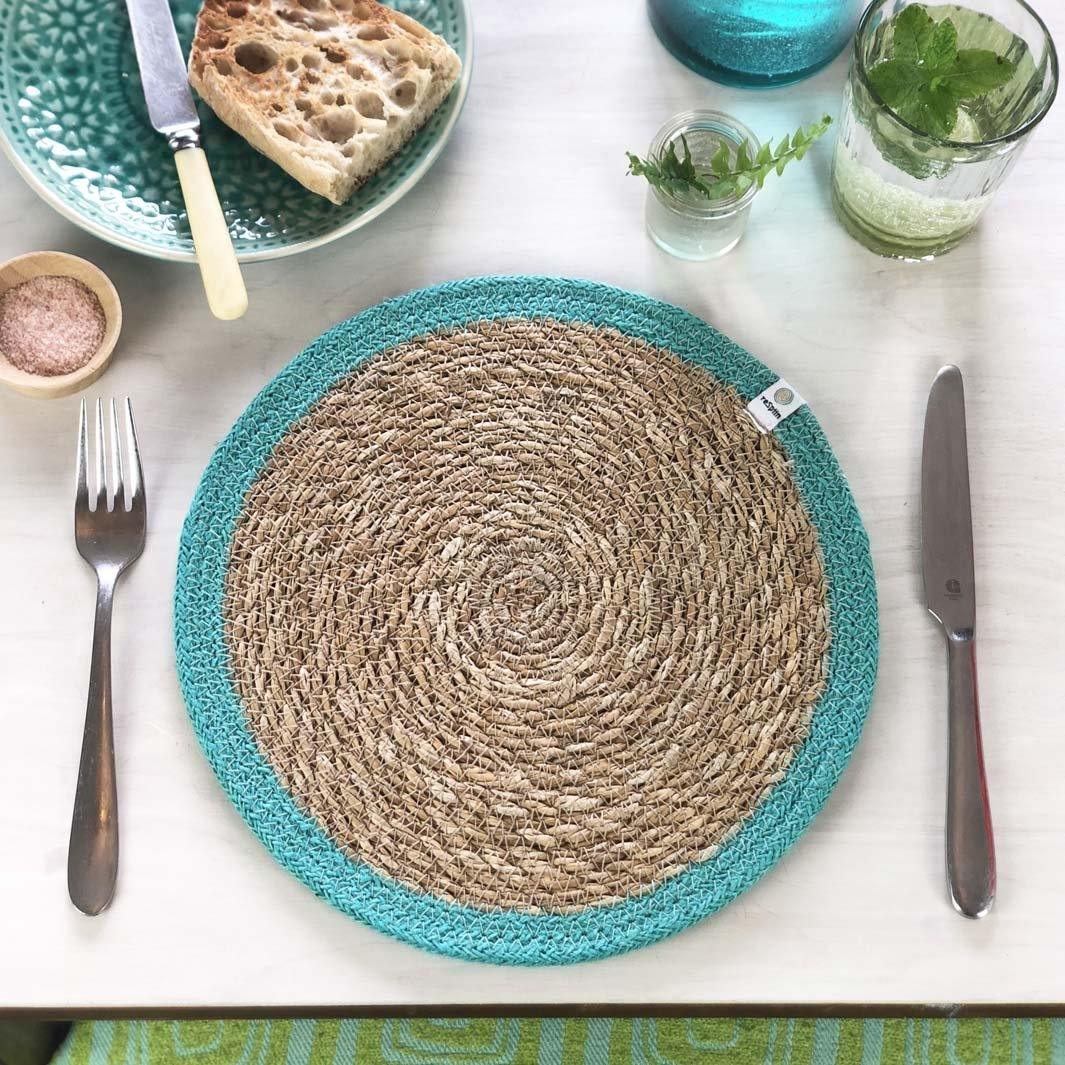
Taking steps to go eco-friendly can be fun, especially when it comes to making some changes to your household. Rather than using plastic tablet mats, you might want to consider getting those made of jute, a natural fibre that is downright environmentally friendly and sustainable. A jute table mat can be an aesthetically pleasing addition to your interior décor. When you browse the selection at a plastic-free shop in the UK, you are likely to find the product in many different sizes and varieties.
Why jute?
Jute fabric is a great material for frequently used sustainable homeware, such as table mats. It starts right during its cultivation, as a hectare of that can already absorb up to 15 tonnes of carbon monoxide, and release 11 tonnes of oxygen as it grows for around 100 days. So, it reduces environmental pollution. Jute cultivation also requires minimal pesticides, herbicide, and fertilisers.
Jute’s environmental benefits do not stop there.
When a jute table mat reaches the end of its service life, you can dispose of it as it is a biodegradable material, or you can put it in a compost pit. Alternatively, it can be recycled by manufacturers or repurposed.
Elegant and functional for your table
A reputable plastic-free shop in the UK carries jute table mats in different colours, so you should be able to find the perfect product that will suit your interior design or appeal to your taste. Sustainable homeware like the jute table mat is safe and hygienic to use. It’s made without any added chemicals that could be harmful to your health, and it effectively prevents unwanted residues, spills, or marks caused by food and drinks on your dining or coffee table.
High-quality jute table mats are made of organic materials and are surprisingly affordable. It’s the same for other jute products, like coasters, which can provide a consistent finish to your table décor. So, don’t hesitate to get a jute table mat or more to replace conventional plastic mats.
0 comments
Let customers speak for us
Blog posts
Making plant-based meals is already a step towards a lower-impact lifestyle, but how you shop, cook and store your food can take it much further. In this guide, Friendly Turtle EcoBlog shares eight practical and achievable ways to make your plant-based meals more sustainable without adding pressure to your daily routine. From choosing seasonal, locally grown produce and using the whole vegetable, to relying on pulses, reducing kitchen energy use and storing food more effectively, each small habit plays a role. These simple changes can help cut food waste, lower packaging use and support a more mindful way of eating. At Friendly Turtle EcoBlog, we believe sustainability should feel realistic and approachable, not overwhelming. With the right habits in place, you can enjoy flavourful, satisfying meals while reducing your environmental footprint in a way that fits naturally into everyday life.
