Saving money on plumbing often starts with small, consistent habits rather than major home improvements. A dripping tap, running toilet, slow drain or hidden leak may seem minor, but over time these issues can increase water bills, waste valuable resources and lead to expensive damage. In this Friendly Turtle EcoBlog guide, we explore practical ways homeowners can reduce plumbing costs while making their homes more efficient and sustainable. Regularly checking beneath sinks, inspecting appliance connections, cleaning drains and monitoring water pressure can help identify problems before they become emergencies. Maintaining hot water systems, choosing durable replacement parts and repairing fixtures at the right time can also reduce energy use and extend the lifespan of household plumbing. Simple actions, such as knowing where the main stopcock is and avoiding grease, wipes or food waste in drains, can prevent unnecessary call-out charges and water damage. Sustainable plumbing is not about cutting corners; it is about using water responsibly, maintaining existing systems and making informed decisions that save money, reduce waste and protect your home over the long term.
Share your articles with us and get published! Reach out at hello@friendlyturtle.com.
3 Reasons To Shop From A Zero Waste Shop In The UK
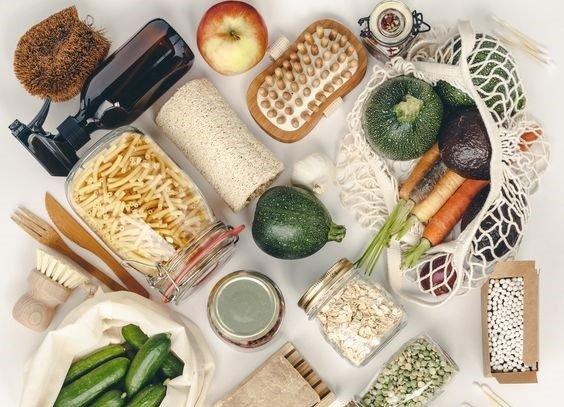
Many big retailers may be taking steps to reduce their impact on the environment. But if you are shifting over to a sustainable lifestyle, it may be best to shop from a zero-waste shop in the UK. Most shops of this kind are small local businesses, so you get to support the local community. Moreover, they source their products from artisans, craftspeople, and small manufacturers, so buying from them also lets you extend your support and financial assistance to those people.
Besides that, there are three more good reasons to buy from a zero-waste shop:
- Find most, if not everything you need –Switching to a sustainable and zero-waste lifestyle doesn't have to be difficult when you have a one-stop-shop for everything you will need. A plastic-free shop in the UK carries a wide array of products from skincare to kitchenware, homeware, and toiletries, so you won’t have to go to multiple shops any more.
- Better for the environment -For an easier way to browse and shop for products, consider finding an established and reputable online zero waste shop in the UK. They offer products that require less packaging. Also, they pack your orders using different sized cardboard boxes and corrugated cardboard. Their packaging materials are FSC certified and made from materials sourced responsibly. Of course, they are biodegradable and recyclable, too. They may reuse void fillers and boxes to reduce waste.
- In packaging delicate and fragile items, they use eco-friendly packing peanuts made from fully compostable, sustainable, and biodegradable GM-free corn starch. Brown paper tape is used to secure all packages.
- Save money –The first time to buy from a plastic-free shop in the UK? Check for special offers for first-time customers, such as 10 per cent off your first order when you sign up for their email. That’s also a good opportunity to be the first to know about their latest promotions and newest products down the line. Reputable shops also offer free shipping when your purchases go beyond a certain cost.
0 comments
Let customers speak for us
Blog posts
Sustainable living goes far beyond recycling, reusable bags and other everyday habits. While these choices matter, a lasting environmental legacy also depends on the decisions we make about our finances, property, family responsibilities and legal arrangements. Clear documentation, regularly updated plans and honest conversations can help prevent confusion, reduce unnecessary costs and ensure that personal values continue to shape what happens in the future. At Friendly Turtle EcoBlog, we believe thoughtful planning is an important part of responsible living. A sustainable legacy may include supporting environmental causes, choosing ethical investments, protecting land, setting clear intentions for inherited assets and involving future generations in meaningful discussions. Major life changes such as marriage, divorce, moving home, starting a business or welcoming children should also be treated as opportunities to review existing plans. This guide explores how practical paperwork, long-term financial choices and open family communication can work together to create a legacy that reflects your principles. By planning early and revisiting decisions regularly, you can build something that lasts, reduces conflict and supports a more considered future for both your family and the wider world.
