If you’d like to start using reusable sanitary pads, you’re probably wondering: How do I wash cloth sanitary pads? How do I get the smell out of cloth pads? Should I wash them by hand?
Washing cloth sanitary pads isn't hard when you know how, but maybe you think that stains can be difficult to deal with.
But taking care of your reusable pads is not as complicated as it sounds. In fact, eco friendly period products are an absolute breeze once you've grasped the basics
And even if you’ve been using them for a while, it’s important to know how to properly wash cloth sanitary pads. Remember that if you take good care of your pads, they will last for longer!
Ready to learn how to use, wash and care for your pads?
Let’s jump right in!
What are Washable Sanitary Pads?
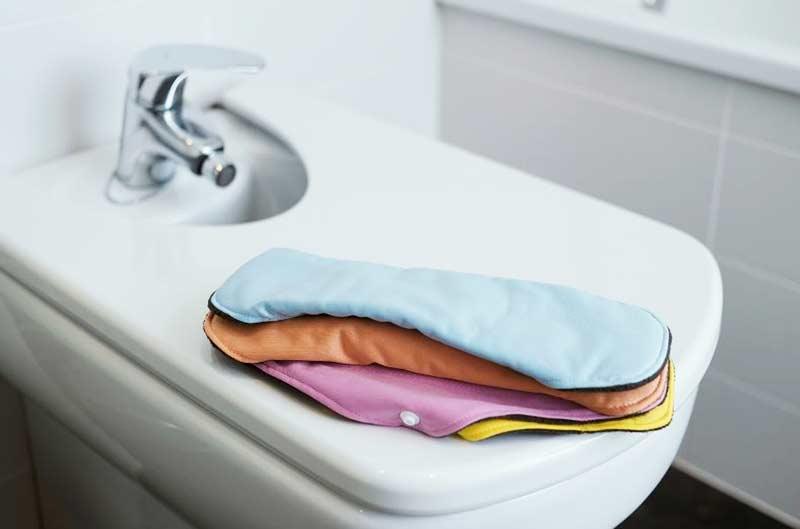
Washable sanitary pads are a plastic-free alternative to conventional pads and tampons. Just like single-use disposable pads, they are available in different levels of absorbency to protect you against leakage. You can wash your cloth sanitary pads and reuse them, so they’re a great option to reduce waste.

Getting Started With Your Reusable Sanitary Pads
Similar to disposable pads, reusable pads have wings to keep them attached to your underwear. But instead of adhesive strips, the wings have snaps or buttons to form a secure seal. You just need to fasten the buttons around your underwear and change the cloth pad when appropriate.
What You Need to Know:
- Don’t forget to wash new cloth sanitary pads before first use to prevent infections or skin irritation. Besides, the absorbency of new pads will increase after the first few washes!
- If you’re going out, remember to bring a leak-proof pouch with you. This is a great option to store used pads when you’re out and about.

Can You Hand-wash Reusable Pads?
You can hand or machine wash your reusable pads. That said, washing your cloth sanitary pads by hand is the best way to extend the life of your pads. But if you’d like to put them in the washing machine, stick to a 40’ cycle and use cold water.
How to Wash Cloth Sanitary Pads?
Most sanitary pads have care instructions, so make sure to check them before washing your cloth sanitary pads. Let’s check how to wash cloth sanitary pads:
1. Soak Your Pad in Cold Water
After taking it off, soak the pad in cold water as soon as you can to prevent bloodstains. During this step, avoid using hot water because it sets bloodstains.
2. Rinse Until the Water Runs Clear
After the soaking process, rinse your pad until the water runs clear. Again, use cold water for this step.
3. Washing Cloth Sanitary Pads
If you prefer to wash your cloth sanitary pads by hand, rub the fabric against itself. Don’t use a brush because it can affect the texture of your pad.
If you’re going to put them in the washing machine, stick to a 40’ cycle and select cold or warm water (max. 40 ºC). A fabric softener can reduce the absorbency of your pad, so avoid using it. To keep your pads soft, you can add a tablespoon of vinegar to your soaking water.
4. Pull the Wet Pad into Shape
After washing, pull your wet pad into shape to prevent cotton shrinkage.
5. Dry on a Clothesline or Use the Tumble Dryer
If you’d like to extend the life of your pads, hang them to dry in the sun. But if that’s not possible, tumble dry on low heat.

How Long to Soak Reusable Pads?
When your pad is saturated, take it off and put it in a bucket of cold water to prevent bloodstains. Before washing your cloth sanitary pad, soak your pad with the used side facing down for at least 30 minutes. Otherwise, the blood will set deeper into the pad.
How Do You Get the Smell Out of Cloth Pads?
If you soak your reusable pads for more than a few hours before washing them, they’ll have a musty smell. To get the smell out of a cloth pad, soak it in clean, warm water for a few minutes. But this time, add vinegar or baking soda to the water. Then, wash as usual.
Can You Soak Reusable Pads Overnight?
You can soak your cloth sanitary pads overnight, but you should wash them as soon as possible the next morning. If you soak your used pads for too long, they will start to smell bad.
Can You Wash Cloth Pads with Other Clothes?
The good news is that you can wash your cloth sanitary pads with your other laundry. But before tossing them in the washing machine, don’t forget to soak your cloth pads for a few minutes. Remember that most of the blood comes out in the soaking process.
Now that you know how to wash your cloth sanitary pads the right way, you’re ready to give them a try! And if you haven't got yours yet, then you can check out our range of reusable sanitary pads online today.
Or you can even give making your own a go with our How To Make Reusable Sanitary Pads guide.
Whichever you decide to do, making your period that little bit greener feels good.



0 comments