Saving money on plumbing often starts with small, consistent habits rather than major home improvements. A dripping tap, running toilet, slow drain or hidden leak may seem minor, but over time these issues can increase water bills, waste valuable resources and lead to expensive damage. In this Friendly Turtle EcoBlog guide, we explore practical ways homeowners can reduce plumbing costs while making their homes more efficient and sustainable. Regularly checking beneath sinks, inspecting appliance connections, cleaning drains and monitoring water pressure can help identify problems before they become emergencies. Maintaining hot water systems, choosing durable replacement parts and repairing fixtures at the right time can also reduce energy use and extend the lifespan of household plumbing. Simple actions, such as knowing where the main stopcock is and avoiding grease, wipes or food waste in drains, can prevent unnecessary call-out charges and water damage. Sustainable plumbing is not about cutting corners; it is about using water responsibly, maintaining existing systems and making informed decisions that save money, reduce waste and protect your home over the long term.
Share your articles with us and get published! Reach out at hello@friendlyturtle.com.
Top 3 Benefits of Using a Bamboo Toothbrush in the UK
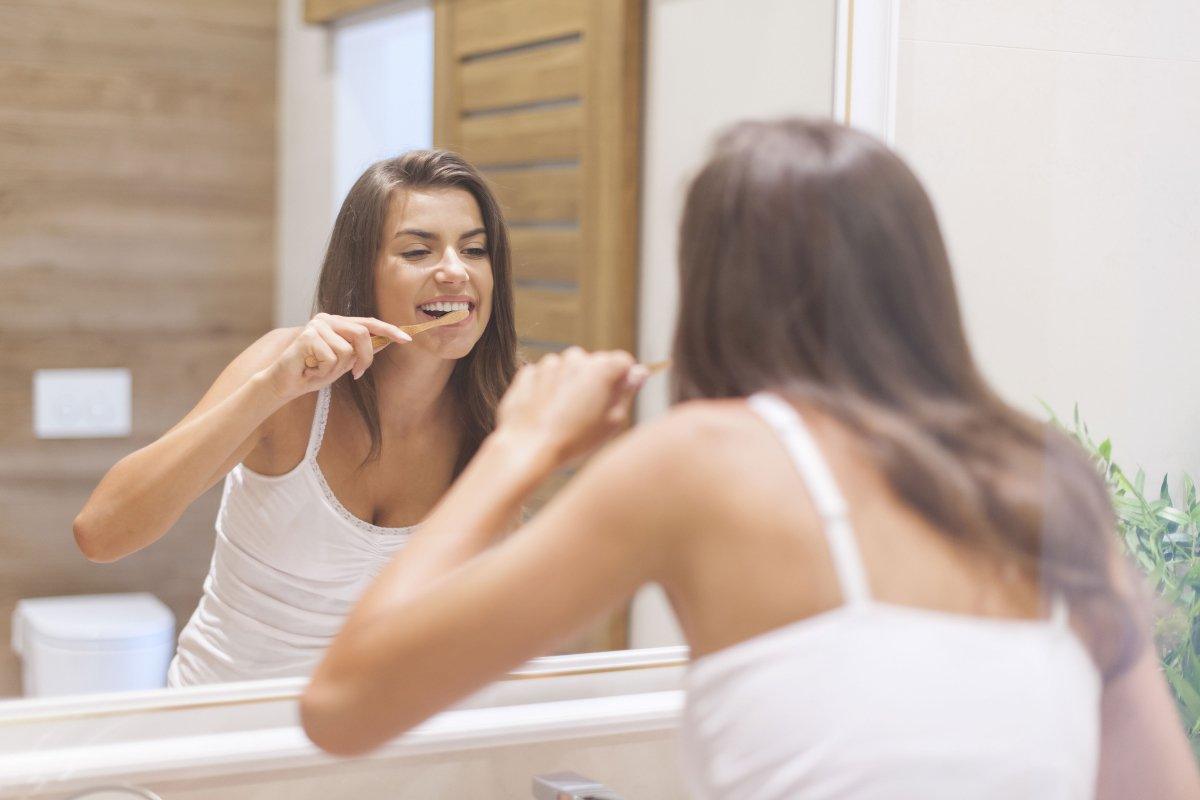
Like most people, you probably change toothbrushes every three months or when the bristles wear a little thin. This means that you are are contributing to the accumulating plastic waste that gets sent to landfill every year (or even worse, into the ocean).
This is because regular toothbrushes are usually made of materials that can take more than 400 years to degrade. Want to cut down your waste? Then it’s time to switch to a bamboo toothbrush in the UK. This small change will help you on your way to reducing your impact on the planet and living a more sustainable lifestyle. Read on to learn more about the benefits of using bamboo toothbrushes:
- They’re as reliable as your classic toothbrush.
A bamboo toothbrush can last just as long as standard plastic toothbrushes. Yes, you can use it for up to three months. That said, it is recommended that you dispose of it when the bristles are frayed. Proper care will make it last longer, so make sure that it’s stored in a dry place. Wash and clean the bristles after use. Bamboo toothbrushes in the UK come in different designs, in adult and kid sizes, and in single, two, or four packs for added value.
- They’re eco-friendly.
Bamboo is among the most sustainable natural resources. It’s biodegradable and compostable, so when it reaches its end of its life, it can be placed in with your home compost or standard waste and it will naturally break down over months and years instead of hundreds of years.
This means it won’t contribute to ocean and plastic pollution. The material is also known for its natural anti-bacterial and anti-fungal properties, making them hygienic. Just don’t forget to break off the bristles before disposal!
- Good for your teeth and gums.
A high-quality bamboo toothbrush in the UK is made of strong and sustainable adult bamboo with BPA-free bristles, which are gentle to the gums and capable of effectively cleaning your teeth. Made from the fastest growing plant in the world, you won’t finad a more sustainable material around!
0 comments
Let customers speak for us
Blog posts
Sustainable living goes far beyond recycling, reusable bags and other everyday habits. While these choices matter, a lasting environmental legacy also depends on the decisions we make about our finances, property, family responsibilities and legal arrangements. Clear documentation, regularly updated plans and honest conversations can help prevent confusion, reduce unnecessary costs and ensure that personal values continue to shape what happens in the future. At Friendly Turtle EcoBlog, we believe thoughtful planning is an important part of responsible living. A sustainable legacy may include supporting environmental causes, choosing ethical investments, protecting land, setting clear intentions for inherited assets and involving future generations in meaningful discussions. Major life changes such as marriage, divorce, moving home, starting a business or welcoming children should also be treated as opportunities to review existing plans. This guide explores how practical paperwork, long-term financial choices and open family communication can work together to create a legacy that reflects your principles. By planning early and revisiting decisions regularly, you can build something that lasts, reduces conflict and supports a more considered future for both your family and the wider world.
