Everyone wants to take their property in a good way so that everything can be perfect. There is always something that you can make better in your property and improve it to be satisfied. One of the biggest problems is water loss, which can lead to many other problems that can be very expensive. With sustainable plumbing, you can make significant changes that can prevent water loss in your home or another object you own. This list will explain to you how to do that and all the benefits that come with that upgrade.
Repair of pipes and all damaged things
The most common reason for big water spending is damaged pipes. That means that in some places water is leaking and is being wasted. The problem is that you will give a lot less water in the end, but you will spend a lot more. A bigger problem can occur when you can not collect the leaked water. If it is underground or somewhere in your walls, it can be a very big problem, and you will not be able to fix it easily. Water will easily make a huge mess on your walls or a bad smell all around your home. The one thing that is demanded with sustainable plumbing is the repair of all pipes and their replacement. The good thing is that cast iron pipe repair will locate where the leak is, and they will do all the necessary jobs to stop it in a short period of time. In that way, you will be sure that every new pipe is not damaged and it will distribute a huge amount of water to you without any problem. The results of this will be shown in many ways. For example, you will notice that you will be able to shower in a shorter period of time and that bills for water will be a lot lower than before.
New devices
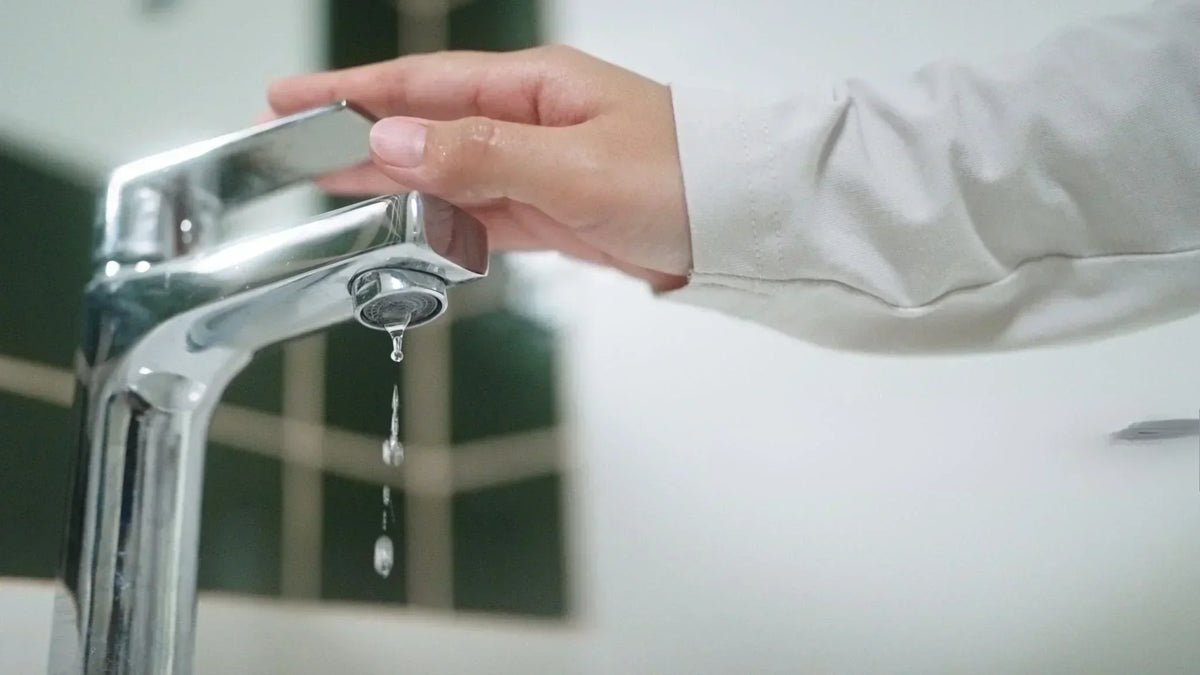
Technology is constantly improving and contributing to everything, including sustainable plumbing. There are plenty of devices that you can regularly use in your household to prevent water loss. Faucets and shower heads are improved, and with the smart design that they provide, water loss will be reduced, and the water will be spent in the right way. For example, you can find a smart option that turns off the water immediately after use without any need to press a button. For example, in malls and restaurants, you can notice that faucets in a bathroom have sensors and will give water just when the hands are below that. In that way, it would use just the exact amount of water that you will need, and it wouldn't happen that someone forgot to turn it off and cause a flood and unnecessary costs of water.
Cleaning of boilers and water heaters
It is usual for some time that boilers start to fill with limescale. That will directly influence the efficiency and make the heating much harder to do. That means that boilers will need much more time and energy to do the same task as before. Also, the problem is that when the boiler is full of limescale, it can be dangerous to use until it is cleaned. Do not try to remove limescale from the boiler if you do not have experience. That is because the process of opening a boiler can be dangerous without good equipment and skills for that. Even a slight mistake in that process can be dangerous, so it is best to give that task to someone who has more experience in that field.
Proper installation and plan
Sustainable plumbing implies a detailed plan for installation so that no mistakes can be made. The proper installation of pipes and all other plumbing is one of the most important things to do. The experts will first examine the space and take measurements. Then, they will start to make a plan and strategy in order to make everything perfect and sustainable. If the installation was done as it should have been, then with proper use, you can be assured that everything will be okay for a long period.
Quality materials
Water starts to leak mostly because of the bad materials that are used for plumbing. Those bad materials may be cheap, but they will make you pay an even higher cost with all the repairs that you must do afterward. To prevent that, you will need to use quality materials for the plumbing from the beginning. In that way, it wouldn’t happen that water starts to leak in some place or pipes start to burst.
Good isolation
From the place where the boiler or water heaters are, it is normal that hot water will cool down a little while it is transferring through the long pipes. Sustainable plumbing will save hot water and bring it to you at exactly the same temperature as it was in the boiler or different water heaters. That is possible with good isolation. In that way, the heat will be preserved, and the plumbing equipment will be safer.
Regular maintenance
Some problems are very expensive to fix, and they can make a huge mess of your property. Plumbing problems do not arrive suddenly, and before they arrive, you will get some signs that something is not okay. Delaying the problem will make that problem even worse and bring you a lot more trouble to deal with. The good thing is that with sustainable plumbing, maintenance is regular. That approach gives you a chance to deal with malfunctions a lot before they make a huge mess and repair everything on time. The water will not be lost in that way, and it will be used in a better way and for the right purpose.
When water loss is stopped, then the bills will be lower and efficiency in the home higher. Tips from this list will help you achieve that and make you realize that sustainable plumbing is a great solution for everyone who seeks efficiency in their properties.



0 comments