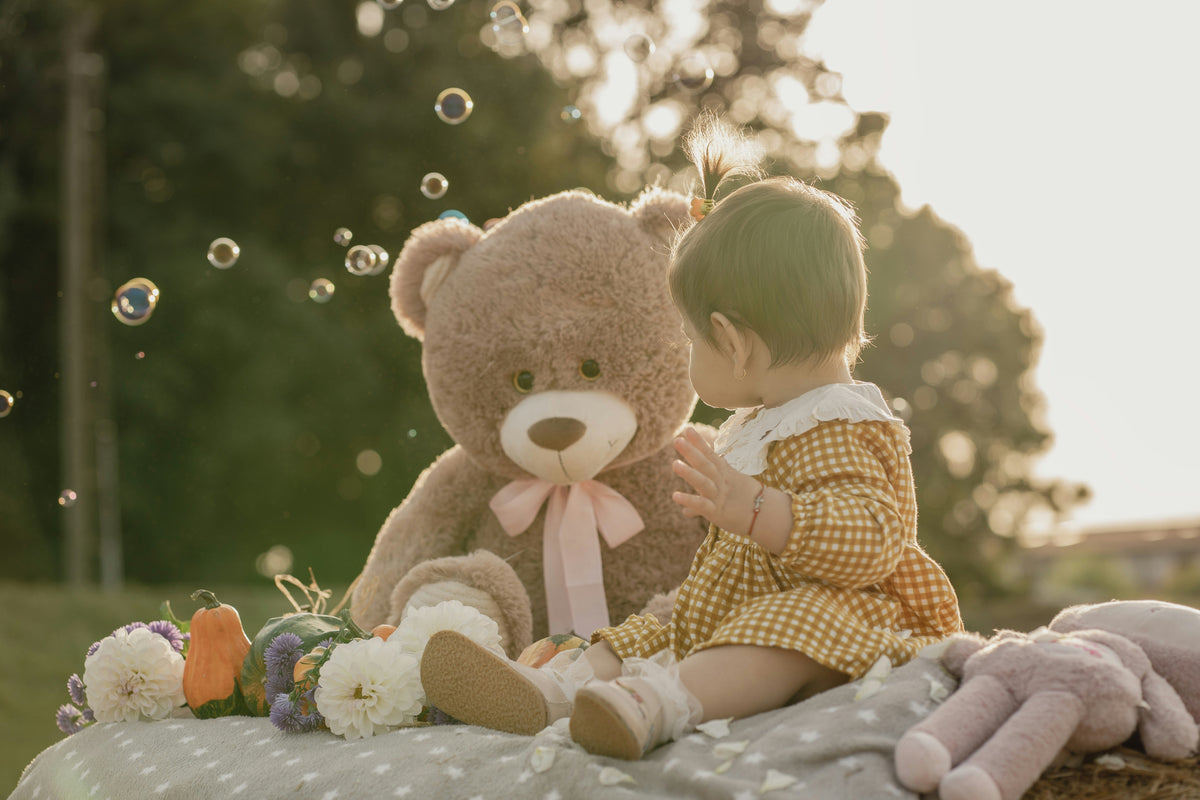
As 2025 approaches, parents are looking for more than just stylish clothes for their babies - they want clothing that’s both comfortable and sustainable. The good news is that the world of baby clothing is rapidly evolving, with brands stepping up to provide eco-friendly, stylish, and safe options. Whether you're a first-time parent or you're adding another bundle of joy to the family, these baby clothing brands are perfect for making conscious choices while keeping your little one dressed to impress. Let’s take a look at some of the best brands for your baby's wardrobe in 2025.
1. Treehouse Kids
Treehouse Kids is a brand that beautifully blends style and sustainability. With their commitment to organic cotton and eco-friendly dyes, Treehouse Kids is a go-to choice for parents who want the best for their babies without compromising the environment. Their clothing is not only soft and comfortable but also versatile for everyday wear. The brand’s collection includes adorable pieces for both boys and girls, with options that range from simple onesies to charming dresses, making it easy to mix and match for any occasion. Treehouse Kids is all about creating high-quality, long-lasting pieces that your baby can enjoy for years to come.
2. Posh Peanut
When it comes to baby clothing that’s as cute as it is luxurious, Posh Peanut has earned its spot in the spotlight. Known for their vibrant colors and playful prints, this brand adds a dash of fun to the world of sustainable fashion. Posh Peanut takes great care in ensuring that their fabrics are not only soft and comfy but also produced ethically. The brand uses organic bamboo, a sustainable fabric that is both gentle on your baby’s skin and better for the environment. From floral patterns to animal prints, Posh Peanut offers stylish, eco-friendly options that are perfect for those looking to make their little ones stand out in style. Additionally, Posh Peanut is well-known for its stylish mommy and me outfits, allowing parents to coordinate with their babies for a fun, fashionable look that’s both chic and sustainable.
3. Pehr
Pehr is a beloved brand that’s committed to producing beautiful, sustainable clothing that’s kind to both babies and the planet. Their collections often feature timeless designs, offering a minimalist aesthetic with neutral tones that can easily be paired with any outfit. Pehr is well known for using organic cotton and environmentally responsible production methods, making it a great choice for parents who prioritize sustainability. Their baby clothing is designed to be comfortable, soft, and perfect for layering, which is ideal for babies who are constantly growing and need flexible options for every season.
4. Hanna Andersson
For over 30 years, Hanna Andersson has been a staple in the world of children’s clothing, known for their high-quality, long-lasting garments. In 2025, the brand continues to focus on sustainability with organic cotton collections that are both stylish and durable. Their signature striped designs and playful patterns are perfect for babies and toddlers, and their clothing is designed to withstand the wear and tear that comes with little ones' busy lives. Hanna Andersson is also a great choice for families looking for clothing that can be passed down through generations.
5. Burt’s Bees Baby
Burt’s Bees Baby is a pioneer in the world of organic baby clothing. With their eco-friendly mission, this brand has become a household name for parents who prioritize sustainability. Their clothing is made from 100% organic cotton, and they offer everything from sleepwear to outerwear. Known for their soft, gentle fabrics, Burt’s Bees Baby ensures that babies are not only comfortable but also safe from harmful chemicals. Their commitment to the planet is reflected in their environmentally conscious production methods, making them a top choice for parents looking for ethical and adorable options.
6. Primary
Primary offers a vibrant and fun selection of baby clothes, all made from organic cotton. The brand prides itself on producing clothing that is simple yet stylish, with bold, primary colors that stand out. Primary’s clothing is free from logos, graphics, and slogans, offering a clean and fresh aesthetic that works for every occasion. As a certified B Corporation, Primary is committed to sustainability, making sure that every piece is ethically produced with minimal environmental impact. With their stylish basics and ethical practices, Primary is perfect for parents who want clothing that’s both functional and fashionable.
7. Frugi
Frugi is a UK-based brand that specializes in organic cotton clothing for babies and children. Their playful, colorful designs are perfect for parents who want clothing that’s both eco-friendly and fun. Frugi’s commitment to sustainability is evident in their use of organic cotton, recycled fabrics, and eco-friendly dyes. Their pieces are designed to be comfortable and durable, perfect for babies who are constantly on the move. Whether you're looking for sleepwear or play clothes, Frugi offers a range of options that are as kind to the planet as they are to your little one.
8. Little Green Radicals
Little Green Radicals is another brand that has been leading the charge in ethical and sustainable baby clothing. With a focus on organic cotton and ethical production, this brand offers a range of clothing that is both stylish and gentle on your baby’s skin. Little Green Radicals is known for their vibrant, colorful designs that appeal to both parents and kids alike. The brand is committed to using renewable energy in their manufacturing process and making clothes that are built to last, ensuring that your baby’s clothes can be passed down to future siblings or friends.
9. Manymoons
Manymoons is a newer brand on the block but is already making waves in the sustainable baby clothing space. They specialize in using only organic and natural fibers to create beautiful, long-lasting pieces for babies and toddlers. Manymoons takes a minimalist approach to design, with simple yet stylish garments that can be easily mixed and matched. Their commitment to sustainability extends beyond the materials they use, as they also focus on reducing waste through ethical production methods and low-carbon processes. For eco-conscious parents looking for understated, elegant clothing for their little ones, Manymoons is the perfect choice.
Conclusion
In 2025, the demand for sustainable and stylish baby clothing is higher than ever. With these innovative brands, parents can now dress their babies in clothing that’s not only adorable but also eco-friendly and ethically made. Whether you're looking for luxurious bamboo fabrics, organic cotton basics, or bold designs, these brands offer a wide range of options to suit your needs. As you build your little one’s wardrobe, remember that the choices you make today will help create a better future for tomorrow - one baby outfit at a time.