Green parenting is not a trend, but a conscious way of life based on sustainability and love. Parents can raise their little ones with the right non-toxic, eco-friendly essentials while saving the planet they will live on. Whether it’s organic onesies or plant-based baby lotions, every option is a statement of health, safety, and environmental accountability. As we move into 2025, an arsenal of natural baby products makes it easier than ever to raise children in harmony with nature. This is your must-have guide to the best of what’s out there.
Why Natural Baby Products Matter
Babies are delicate, developing systems that are much more susceptible to toxins than adults. Unfortunately, most baby products traditionally used lotions, diapers, and bottles that contain synthetic chemicals, fragrances, and preservatives. This can cause irritation of sensitive skin, disrupt hormones, or cause long-term health problems. With little federal regulation of personal care ingredients, it is a matter of informed, protective choices for parents.
Alternative natural and organic baby products are safer. Free of harsh additives, they’re made from plant-based, non-toxic ingredients that are gentle on your baby and more environmentally friendly. The selection of such products will provide your child with health from the very first day of their life while fitting into a lifestyle of conscious, green parenting.
Top Eco-Friendly Essentials for Babies
Becoming an eco-friendly baby consumer means a conscious choice that benefits your baby’s health and lowers your family’s environmental footprint. While you stock the nursery and daily essentials, it is a great idea to focus on sustainable, non-toxic options, which can make a big difference.
1. Organic Baby Food
Nutrition is fundamental in the early years, and organic baby food helps to make sure that what your child eats is as clean and nutritious as possible. These foods are non-GMO, non-synthetic preservatives, and have low levels of pesticides. From organic infant formulas to pureed veggies and snacks, there are healthier, tastier, and more accessible options than ever before. For a good option, you can visit sites such as https://formuland.com/collections/holle-formula, where you can find nutrient-rich options for babies of all ages. By choosing organic, you are supporting your baby’s development while also reducing exposure to bad chemicals.
2. Organic Baby Clothes
Babies have very sensitive, absorbent skin, so the fabrics they wear are of special importance. Organic baby clothes are made from such materials as certified organic cotton that is grown without dangerous pesticides or synthetic dyes. Not only are these clothes safer and gentler to sensitive skin, they’re also made under ethical labor and environmental standards. Fortunately, organic fashion has developed quite a lot – now you can dress your little one in stylish, cozy clothes without compromising your values.
3. Organic Baby Toys
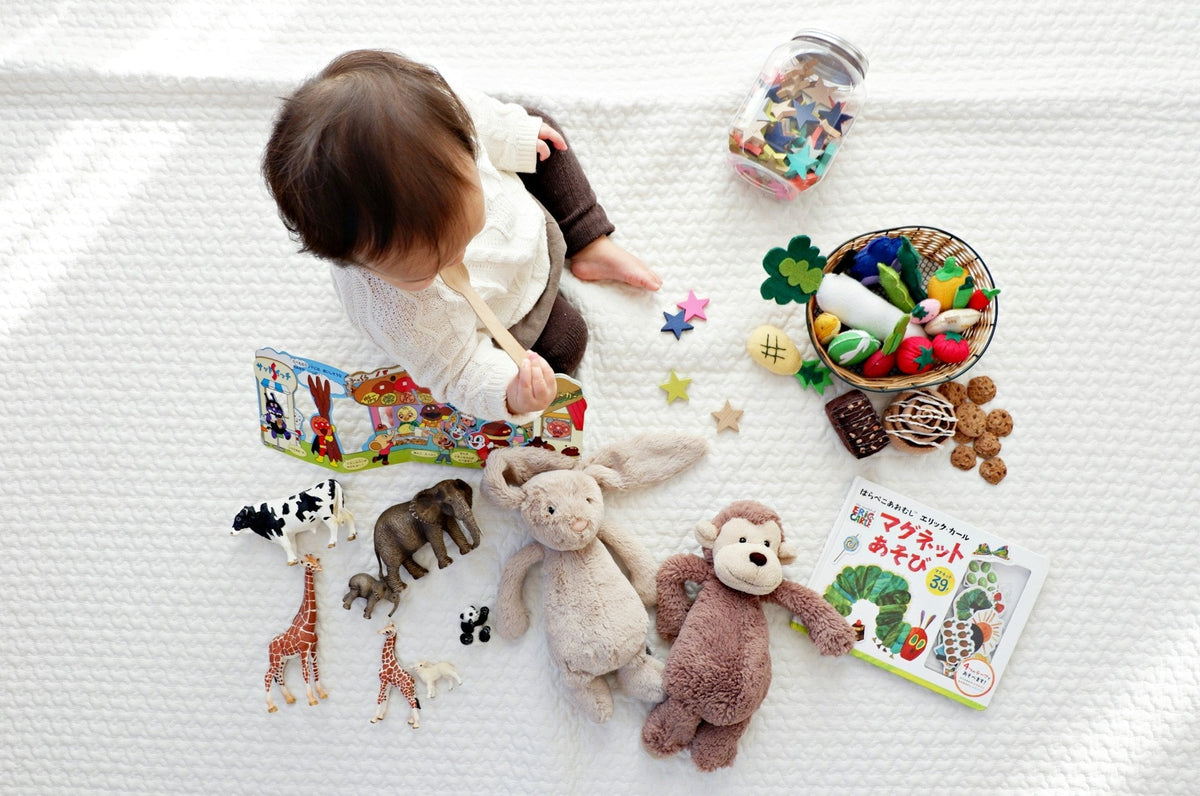
Toys aren’t just for play; they are chewed, hugged, and slept with. Organic baby toys from natural fibers, untreated wood, or food-grade silicone are safer. Uncontaminated with BPA, phthalates, and synthetic dyes, these toys give parents peace of mind and endless fun for little ones. Whether it’s a soft lovey, wooden rattle, or silicone teether, eco toys are good for healthy play and sensory development.
4. Organic Baby Bedding
The place that your baby will spend most of his early months is his sleep environment, and that makes bedding choices very significant. Organic crib sheets, blankets, and mattresses are flame-retardant-free, formaldehyde-free, and free of other harsh chemicals. Instead, they use breathable natural fibers that help regulate body temperature and allow for a good night’s sleep. Investing in organic bedding provides your baby with a safer, more comfortable place to dream.
5. Organic Baby Skincare
A baby's skin is thinner and more absorbent than an adult’s, so the choice of gentle skincare is vital. Organic baby skincare products should be paraben, sulfate, synthetic fragrance, and dye-free. You can also use plant-based ingredients such as calendula, coconut oil, and aloe to soothe and moisturize. Whether you’re looking for shampoos or diaper creams, these natural formulas will help protect your baby's sensitive skin while maintaining their general health.
6. Eco-Friendly Diapers and Wipes
Diapering is one of the biggest household waste generators in the first year of a baby’s life, but it doesn’t have to be. Eco-friendly diaper alternatives like biodegradable disposables and cloth diapers are more sustainable ways to care for your baby. These alternatives are free from chlorine, fragrance, and other irritants found in conventional diapers. Match them with organic, plant-based wipes for chemical-free baby cleaning. It’s an easy change that’s more gentle on your baby’s skin and the planet.
Green parenting benefits your baby’s health and the planet. Choosing natural, eco-friendly products (organic clothes, toys, and skincare) will help to make a safe, sustainable start. Let these conscious decisions guide you in raising a healthy, conscious child in 2025.



0 comments