When it comes to choosing a toothbrush for your child, looks, unique designs, and bright colours are not everything. Quality and environmental friendliness are also important.
The bristles should be soft so that they don’t hurt tender gums. But children like to chomp down the bristles. So, it’s common to change brushes more frequently. As a result, many families contribute to environmental pollution by disposing of plastic toothbrushes.
What if you could consider bamboo toothbrushes for children? They are a more sustainable option. But, you might be wondering—are bamboo toothbrushes suitable for children?
Read on to find out!
When to Start Brushing Your Baby’s Teeth?
Baby teeth or milk teeth are extremely important as your child grows. They are instrumental in proper chewing and speaking.
Baby teeth also create space for the eruption of permanent teeth. Not to mention that healthy-looking teeth are a good boost to your child’s self-esteem and self-confidence. Overall oral hygiene should start as early as the first month of your baby’s life.
You can use a gauze pad, damp wash cloth, or an infant toothbrush to clean your baby’s gums and tongue. But it’s important to remember that brushing should start the moment you see the first signs of baby teeth.
So, Are Bamboo Toothbrushes Suitable for Children
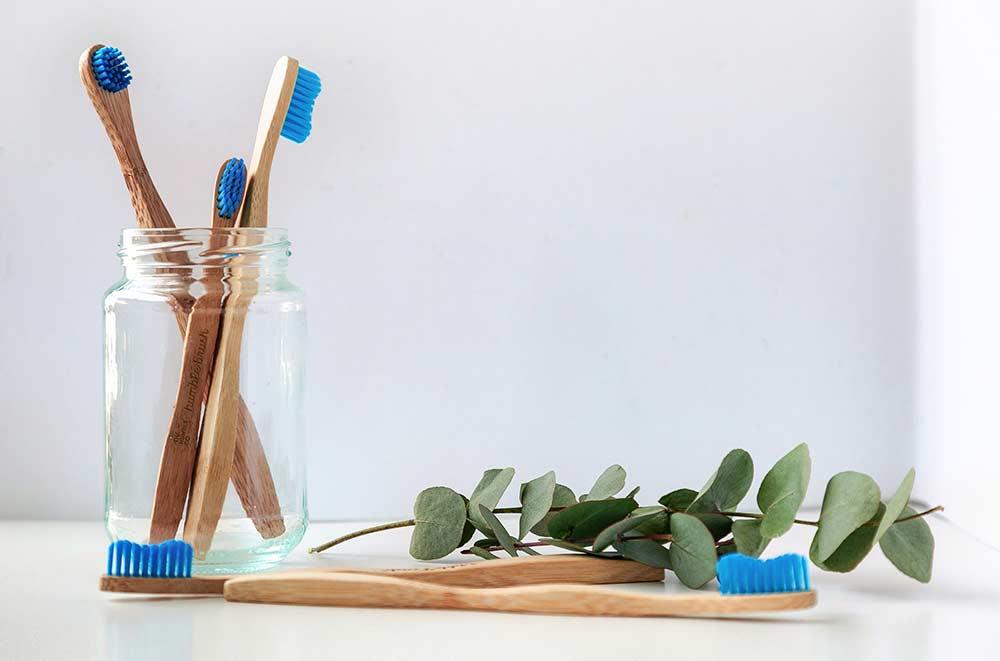
Bamboo toothbrushes are not only suitable for children but are also environmentally friendly. Here are the key reasons why you should consider kids' bamboo toothbrushes:
Eco-Friendly
Unlike adults, children can hardly resist chewing the bristles, which are soft and delicate. This may force a parent to change toothbrushes regularly. So, if they are made of plastic, environmental pollution is unavoidable.
Bamboo toothbrushes, on the other hand, are made out of 100% natural bamboo material and organic charcoal. This material will help keep your child’s bathroom routine safe and healthy. Leave the dangerous disposable toothbrushes in the past and embrace a cleaner and greener future.
Not only do bamboo toothbrushes reduce environmental pollution, but they also help teach your child to be an eco-warrior.
Bamboo Is Antimicrobial
The next cool thing about bamboo is that it is antimicrobial. The bamboo surface has a natural barricade that protects it against bacteria.
Your child’s mouth is loaded with microorganisms, including plaque (a sticky bacteria). So, whenever you are brushing your child’s teeth, plaque can accumulate on the brush.
You can regularly soak the toothbrush in a mouthwash solution and rinse. But you don’t have to worry about bacteria accumulating on a bamboo brush thanks to its antimicrobial properties.
Have a Small Head
Bamboo toothbrushes designed for children come with a smaller head that can fit easily into the crevices and nooks of your kid’s mouth.
Easy to Use Handle
Unlike plastic handles, bamboo handles don’t get scratched. The handle of a bamboo toothbrush is soft to the touch and easy for a child to manoeuvre.
The handle may also feel extremely light as opposed to the heavy plastic handles found on conventional toothbrushes. This makes bamboo a convenient option for younger children.
Soft Recyclable Nylon Bristles
High-quality bamboo toothbrushes for children are usually made using soft recyclable nylon bristles that are recommended by dentists.
Soft bristles won’t need you to apply too much kids’ toothpaste. Just a little is good enough without introducing an excess of the ingredients used into your child’s mouth. Try to avoid toothpaste products that contain foaming agents like glycerine, fluoride, SLS, and triclosan.
Soft bristles that come with most bamboo toothbrushes for kids are gentle on the tender gums. They do an excellent job of removing plaque without applying excess pressure.

Are There Any Limitations?
There are a few downsides of bamboo toothbrushes you should be aware of as a parent.
More Expensive
Unlike plastic toothbrushes for kids, the ones made out of bamboo tend to be a little bit more expensive. This could be challenging for parents on a tight budget, considering that toothbrushes need to be replaced whenever bristles are worn out.
Require More Maintenance
Plastic toothbrushes dry much quicker regardless of how you position them in a holder. Bamboo toothbrushes, on the other hand, take time to dry. You also need to strategically position the toothbrush for it to dry properly.
No Decorative Styles Are Available
Plastic toothbrushes for children come in all sorts of handle styles. The ones made of bamboo typically come with a straight handle.
They Still Have Nylon Bristles
The handle and head are completely eco-friendly and biodegradable because they are made of bamboo. But the bristles are still made out of nylon. The only way to make a bamboo toothbrush completely biodegradable is by plucking out the bristles.
In Conclusion
Bamboo toothbrushes are a good alternative to plastic models both for your child and the environment. The handle is soft and the bristles are super gentle on the gums. But they need a little more time to properly dry before storage.



0 comments