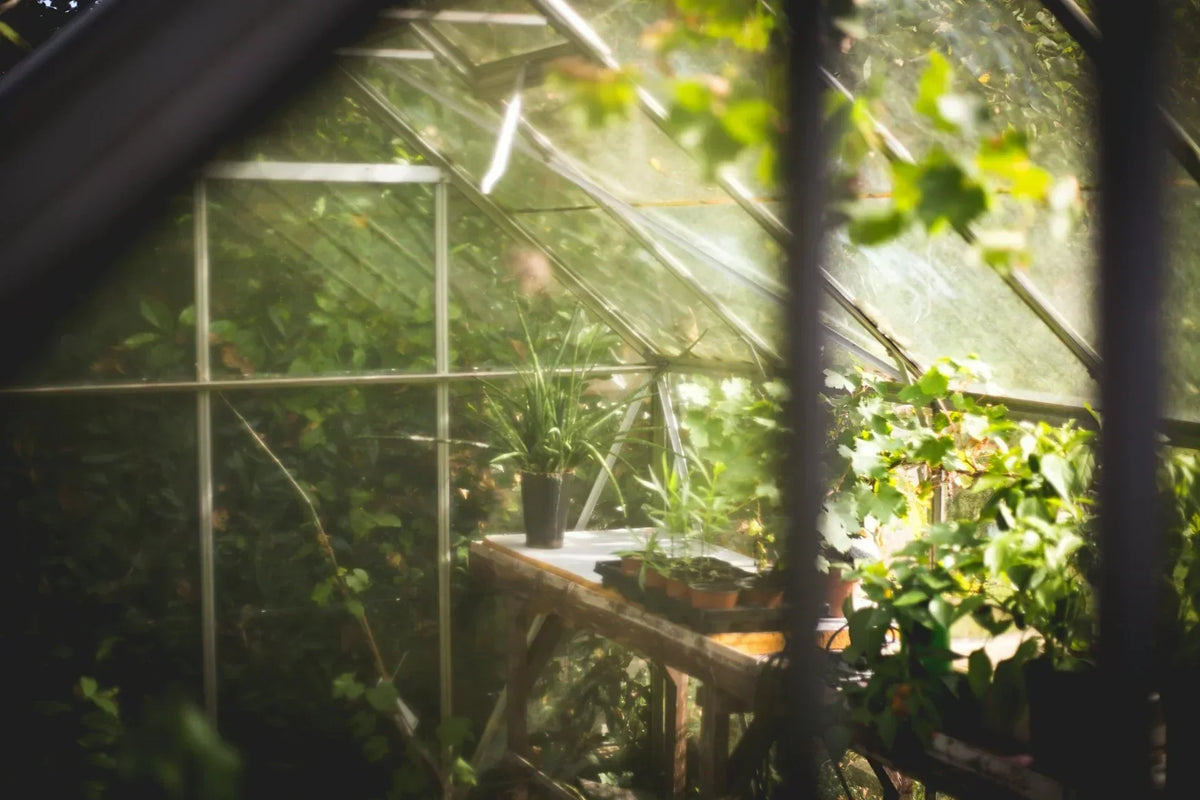
Sustainable farming has never been more relevant. People all around the world are trying to find ways to cut back on greenhouse gases, as well as reduce the amount of chemicals in their food. Ironically, one of the best solutions to reducing the carbon footprint of global farming is to use greenhouses. Greenhouses come with the added benefit of helping to deter pests, which can be an extremely difficult task when farming organically. This post explains some of the benefits of using greenhouses and offers insight into why you should be using them if you want to farm sustainably.
Buy a High-Quality Greenhouse
Before delving into the benefits of using greenhouses for sustainable farming practices, it is necessary to stress the importance of buying the highest-quality greenhouses you can find. Whether that’s the greenhouse systems from Rimol, or ones offered by another equally high-quality provider, if you don’t buy high-quality greenhouses, your plants could be at risk. This is because low-quality greenhouses don’t always offer a protective barrier, and they sometimes allow pests to get inside. High-quality greenhouses on the other hand do act as a barrier and prevent unwanted pests from being able to get in and cause infestations. You can find out how good a particular retailer’s greenhouses are by reading testimonials from past clients. Testimonials should be publicly available on the retailer’s Google Review page. Take a look at their star rating to get a further idea of what they are like to work with.
Extend Your Growing Season
One of the main benefits of buying a greenhouse is an extended growing season. When you have a greenhouse, you don’t have to worry about plants dying off when winter rolls around. You can continue to grow them inside of it. It is worth noting, however, that some greenhouses get extremely cold in the winter, and therefore plants inside of them die. Did you know it is possible to buy temperature-controlled greenhouses, though? Temperature-controlled greenhouses can be used to grow plants that thrive in hot climates throughout the year. It is also possible to install artificial lighting inside of your greenhouse, which will allow you to extend your growing season even further. If the climate you live in is a cold one, interior lights will make it possible for you to grow plants that would not ordinarily be growable in your country.
Saving Yourself a Lot of Time
Gardening is not always easy. It is, in fact, something most people struggle with. One of the main reasons gardening is so challenging is because it consumes a lot of time. Did you know that it doesn’t have to be time-consuming, however? It is perfectly possible to save time by investing in a greenhouse. A greenhouse will limit the amount of time that you have to spend outdoors because you won’t have to worry as much about your plants dying off due to pest infestations or bad weather. It is important that you find the greenhouse that is right for your needs, however. There are many types of greenhouses, from very basic ones to more elaborate ones with temperature controls and interior lights. Shopping around and finding the perfect greenhouse is absolutely essential if you enjoy growing your own food or plants.
Pest and Disease Control
Pest and disease control is another benefit of buying a greenhouse. Greenhouses can act as barriers and prevent pests from being able to get anywhere near your plants. It is worth noting, however, infestations can still occur, especially if you do not take proper care of your greenhouse, or if you leave its door open. You can prevent infestations from occurring by treating plants with anti-pest chemicals, too. However, this is not ideal if you are practicing organic farming. The best way to mitigate pests without using biological agents is to carefully clean your greenhouse, keep its doors closed, and do everything you can to monitor plants for signs of infestation. If an infestation does become manifest, you need to act immediately and may have to begin using chemicals, otherwise, you might not be able to get rid of the pests that are plaguing your greenhouse. An alternative to eliminating pests yourself is to hire a professional to do the work for you, a professional pest removal company will be able to effectively clean your greenhouse and ensure pests are eradicated without destroying your greenhouse or the plants you store within it.
Greenhouses are a great option for farmers, devoted gardeners, or just casual growers. Use the guidance given here to find the right greenhouse for you, so you can find one that is right for you and your plants.