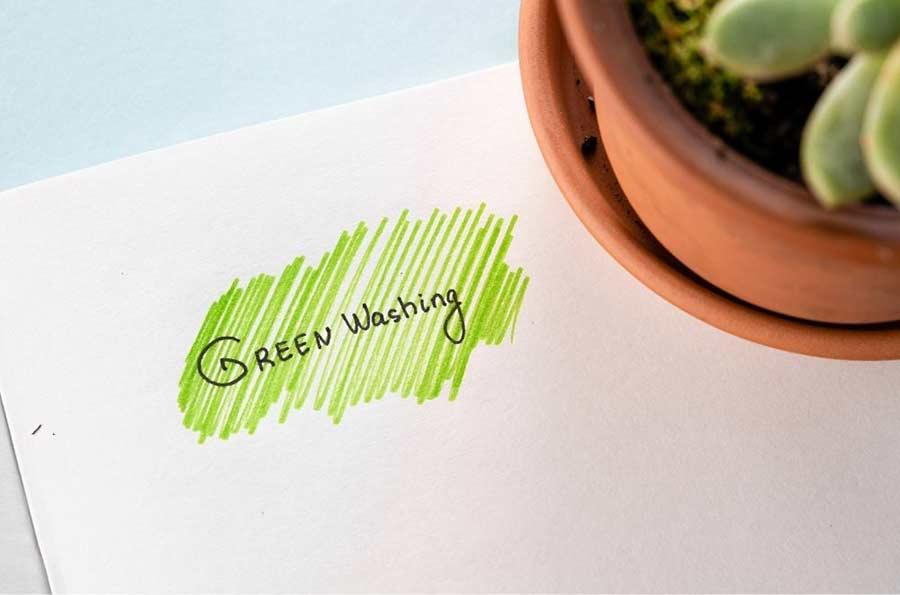
At first glance, it might seem like there are more eco-friendly options on the market, but the truth is that nearly 60% of all sustainable fashion claims are false.
Scary right...
Nothing is more frustrating than purchasing a “sustainable” product and discovering that there’s nothing “eco” about it a few days later. So, how can you prevent this from happening again? Well, we could stay away from the beauty and fashion brands that greenwash. Yet, we know that’s easier said than done.
That’s why in this article, we’ll teach you how to avoid greenwashing in the beauty industry, and in general. But that’s not all, we’ve put together some common greenwashing examples we've seen out there too, so keep reading!

What is Greenwashing?
Greenwashing is the practice of making misleading claims about the environmental impact of an activity, brand, or product. Instead of actually doing the hard work to become a sustainable option, these unethical companies try to look more environmentally-friendly than they really are to deceive people.
Here’s an easy greenwashing example in the beauty industry: A “natural” moisturiser made of 1% natural ingredients and 99% toxic chemicals.
Why do they keep doing this? Can’t someone stop them?
Unfortunately, there are no legal definitions for natural, sustainable, non-toxic, eco-friendly, and many other unregulated terms they often use. So basically, cosmetic and fashion brands that greenwash can use these words as they please.

Common Practices from Fashion Brands that Greenwash
An easy way to learn how to avoid greenwashing is to know what techniques some brands use to mislead their customers in the first place. Here are some common practices from fashion brands that greenwash, which are also useful to recognize greenwashing in the beauty industry:
-
Highlighting a set of attributes and hiding others to claim the brand or product is green. A greenwashing example in the fast fashion industry would be releasing a “sustainable” collection that will go out of style in a few months.
-
Making misleading claims and targets without actually providing evidence to back them up. For example, many fast fashion brands that greenwash set targets to reduce their carbon emissions, but they don’t provide evidence to prove they’re on track to meet them.
-
Using a label that looks like a third-party verification when it’s not. An example of greenwashing in the beauty industry would be using a fake cruelty-free bunny logo.
-
Making a claim that may be truthful but is irrelevant. A greenwashing example would be claiming that they pay a minimum wage to garment workers when that’s already required by law. In some countries, earning a “minimum wage” is not enough to afford basic needs, like food and healthcare. That’s why fashion brands should focus on paying a living wage.
-
Using broad terms. In the fashion and beauty industry, greenwashing can be difficult to spot. Some brands use words like “eco-friendly”, “100% green”, “all-natural” and other broad terms without actually explaining how they’re any of these things.
Below, you’ll find a few greenwashing examples to get a better idea of how some fashion brands use these techniques in real life. But first, let’s check how to avoid greenwashing in the beauty industry!

How To Avoid Greenwashing In The Beauty Industry?
Whether you’d like to buy clothes or cosmetics, you’ll probably find greenwashed products. The good news is that there are a few things you can do to identify them. So, without further ado, here’s how to avoid greenwashing in the beauty and fashion industry:
1. Look for Official Certifications
A simple way to make sure a brand is being honest about its claims is to look for third-party certifications.
With this, you will confirm that the brand is truly what they say they are. For instance, if a beauty or fashion brand claims to be organic, it should be certified by Ecocert. You can also look for the Leaping Bunny logo or PETA’s bunny label when choosing international beauty brands that claim to be cruelty-free.

2. Do Your Research or Ask Questions
Some small, ethical brands can’t afford to pay for all the relevant certifications to support their claims. But that doesn’t mean they’re greenwashed options!
So, how can you avoid greenwashing in these cases? Although small brands might not have an official certification, they should be transparent about their activities. Therefore, they should have supportive information about their claims on their website. You can even contact them to clear your doubts.
3. Look At The Ingredients
If you’re all about clean beauty, our last tip on how to avoid greenwashing is to learn what ingredients can be harmful to your health and the environment. This will help you avoid greenwashing in the beauty industry.
Keep in mind that natural cosmetics and skincare products shouldn’t contain toxic ingredients like parabens, phthalates, oxybenzone, talc, and others.

3 Surprising Greenwashing Examples From Fashion Brands
Besides misleading their customers, fashion brands that greenwash also diminish the efforts of those companies that are truly working to become a sustainable alternative. That’s why it’s important to avoid them. Funnily enough, these are often the brands where we see a lot of fast fashion coming through.
What is fast fashion? Cheap, poorly made clothing that has a lifespan of just a handful of uses..but that's a topic for another post
There are a lot of sustainable clothing brands out there, but it now takes a little more research to find them.
Check how some fashion brands greenwash their customers:
Zara
Zara is proud to say that they have 100% energy-efficient stores to “reduce their environmental impact”. Like other fashion brands that greenwash, Zara misleads its customers by emphasizing one small action instead of addressing other activities in their supply chain that are worse for the environment.

H&M
Although H&M is trying to reduce its environmental impact, its recycling program is an example of greenwashing. First of all, it encourages people to keep buying trendy clothes because they can “recycle” them later. And more importantly, it’s still an unsustainable, fast fashion business model.
Lululemon
This fashion brand misleads its customers by giving vague claims about its efforts to reduce the environmental impact of the company. For example, Lululemon says it will adapt infrastructure to take back products after first use. But when is this happening? And how?
As more people go green, more companies will try to look eco-friendly to attract more customers. Sadly, this unethical practice affects the environment and makes people believe they’re helping nature. But hopefully, you’ve learned how to avoid greenwashing with this article!