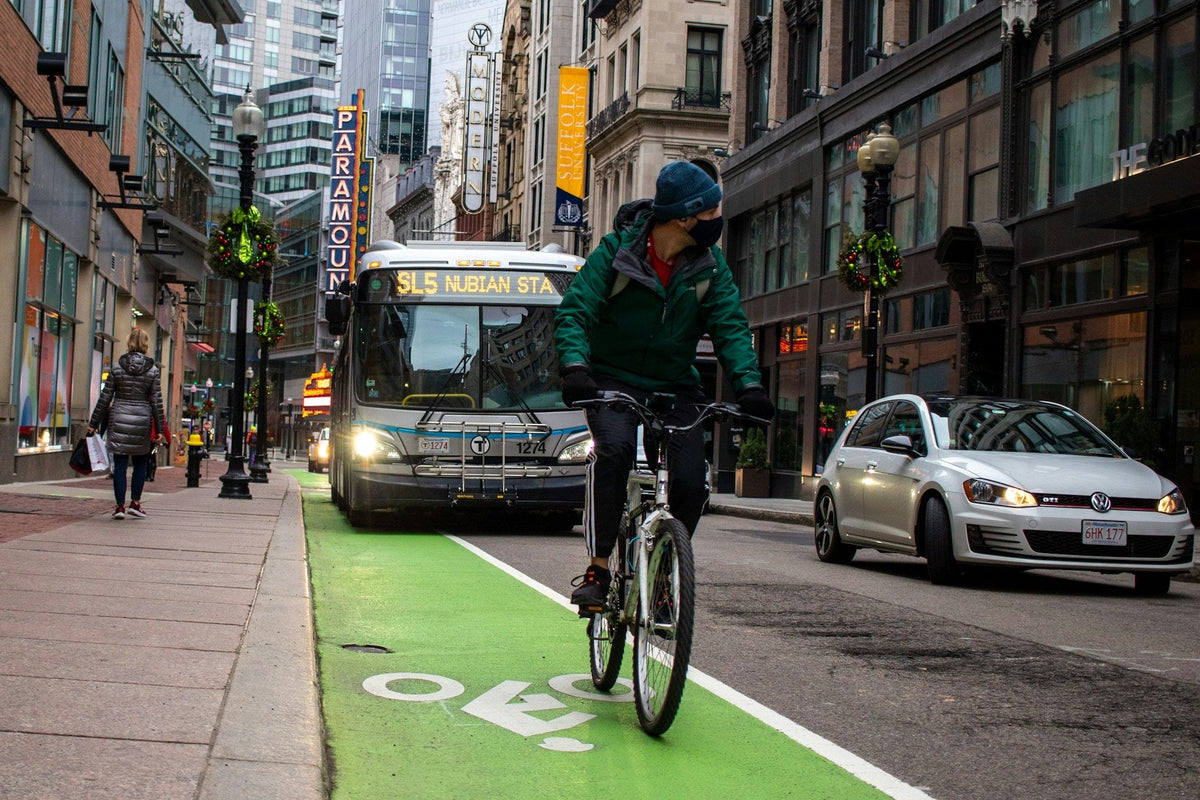
As cities become more congested, shifting towards green commuting methods becomes crucial for your daily travel. This movement is not just about reducing traffic; it’s about making your commute cleaner and more sustainable. Your choice of commute matters more than ever as environmental concerns take centre stage. Whether you opt for cycling, electric vehicles, or public transit, each step you take supports the global effort to reduce carbon emissions. It's about making conscious choices that benefit both the planet and your quality of life.
The Environmental Impact of Different Transport Modes
Each mode of transport you choose impacts the environment differently. Cars, especially those running on fossil fuels, contribute heavily to urban air pollution and greenhouse gas emissions. On the other hand, public transport options like buses and trains tend to have a lower per-person carbon footprint, especially when they utilise modern, cleaner technologies.
Cycling and walking are excellent for those looking to reduce their environmental impact further. These eliminate emissions and reduce the physical space required in crowded city environments. By selecting modes with lower environmental costs, you can help make your city a cleaner place to live.
Electric Vehicles: Are They the Future of Urban Commuting?
Electric vehicles (EVs) are gaining traction as viable alternatives for your daily commute. They offer a promising solution to urban air quality issues, as they produce zero emissions at the point of use. Their growing popularity signals a shift towards more sustainable urban environments, supported by advancements in battery technology and wider availability of charging infrastructure.
However, the transition to EVs isn't just about replacing your car with an electric one; it's about rethinking urban mobility to make it sustainable. Private hire vehicles, or taxis, are also making the switch to greener and more cost-effective alternatives. Electric and hybrid taxis reduce emissions, and reduce costs for both drivers and passengers, bringing the benefits of green tech to everyone, not just car owners. These changes not only support environmental goals but also pave the way for innovations in the auto industry.
Innovations Moving Us Towards a Cleaner, Greener Journey
Public transport systems are evolving to meet the demands of modern urbanites who prioritise sustainability. Many cities are investing in electric buses and trains, which significantly reduce transit-related emissions. This shift is crucial in densely populated areas where the reduction of each commuter's carbon footprint can have a profound cumulative effect.
The integration of real-time data and mobile applications enhances the efficiency and appeal of public transport. These innovations make it easier for you to plan your trips efficiently, reducing waiting times and overcrowded vehicles and ultimately leading to a smoother, cleaner commuting experience.
The Role of Car Sharing and Pooling in Reducing Urban Congestion
Car sharing and pooling represent crucial strategies in urban areas to alleviate congestion and reduce individual carbon footprints. By sharing rides, fewer vehicles are required on the road, which decreases traffic volumes and lowers emission rates. This collective approach to commuting benefits the environment and reduces travel costs for participants.
Adopting carpooling does more than just cut down on emissions; it can also lead to less stress during your commute and faster travel times through access to carpool lanes. This communal effort promotes a sense of community and cooperation among city dwellers, contributing to more sustainable urban living.
Technological Advances Driving Eco-Friendly Commuting Solutions
Advances in technology are making eco-friendly commuting more accessible and convenient. Innovations in mobile apps now allow you to plan your routes more efficiently, combining various modes of transport to minimise your environmental impact. Electric scooters and bikes are becoming more commonplace, supported by apps that facilitate easy rental and drop-off, making last-mile connectivity a breeze.
Additionally, smart traffic management systems are being implemented in cities to optimise traffic flow and reduce idle times. These systems use real-time data to adjust traffic signals and inform public transport schedules, ensuring smoother transit and less congestion. Such technologies are vital in making green commuting a possibility and a practical everyday choice.
Challenges and Solutions in Adopting Green Commuting
While the benefits of green commuting are clear, adopting these practices comes with challenges. One major barrier is the initial cost and infrastructure required for changes, such as purchasing an electric vehicle or setting up more cycling lanes. These obstacles can deter individuals from making environmentally friendly choices.
Solutions are emerging through government incentives and community initiatives that aim to reduce the financial burden and improve infrastructure. Grants for buying electric vehicles or subsidies for public transport are examples of how local authorities are making it easier for you to choose greener commuting options. Supporting these initiatives can help accelerate the transition to sustainable urban mobility.
Adopting eco-friendly commuting practices is more than a personal choice; it's a collective action that significantly benefits your community and the environment. Sustainable transport options contribute to reduced emissions, less congestion, and a healthier lifestyle. Each step towards green commuting is a step towards a sustainable future. Supporting technological innovations, participating in car sharing, and using public transport are practical ways to make a positive impact.