Waste is often treated as an unavoidable part of modern life, but in many cases it is the result of poor resource management. From households to factories and supply chains, the way materials, energy, labour, and equipment are used can make a significant difference to overall waste levels. For readers of the Friendly Turtle EcoBlog, this topic connects closely with sustainable living because reducing waste is not only about recycling after the fact, it is also about preventing unnecessary waste from being created in the first place. Smarter resource management encourages longer-lasting products, more efficient systems, better maintenance, and a shift away from the traditional linear model of take, make, and dispose. In industrial settings, this can mean using data to match production with real demand, replacing key parts before systems become inefficient, and reducing hidden waste such as energy loss or material surplus. By thinking more carefully about how resources move through everyday systems, businesses and individuals can lower environmental impact, save money, and support a more circular, responsible future.
Share your articles with us and get published! Reach out at hello@friendlyturtle.com.
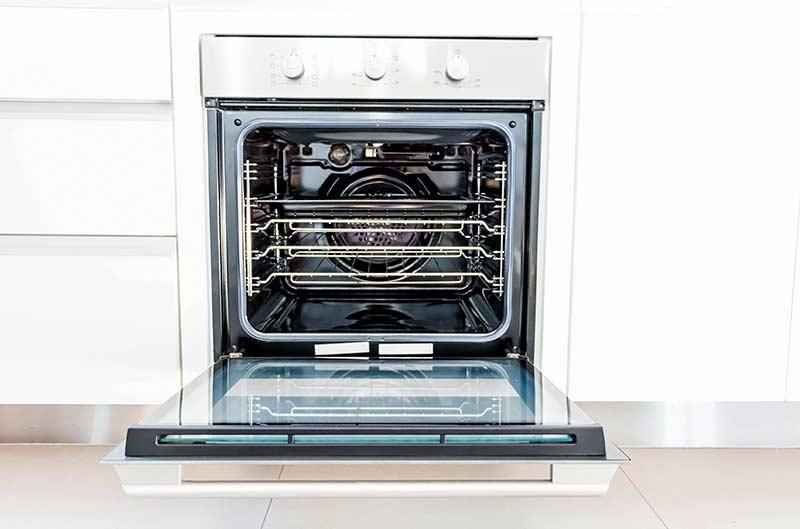
The 3 Most Effective & Eco-Friendly Ways to Clean Your Oven
3 Eco Friendly Ways To Clean Your Oven At Home
Eco Friendly Oven Cleaning With Baking Soda
Baking soda (also known as sodium bicarbonate) is one of the most famous and effective eco kitchen cleaning hacks. It does not only help neutralise foul odours, but it can be used to clean ovens, microwaves, and tile grout.Cleaning your oven overnight with baking soda and white vinegar
This is one of the most powerful combinations when it comes to how to keep your oven clean.- Use a little bit of water and mix it with the baking soda to create a paste.
- Rub the paste on the inside of your oven. Don’t forget the racks and the glass door too.
- Ensure everything is coated really good, then let it sit overnight.
- You will notice the baking soda mixture is completely dry the next day.
- Fill an empty spray bottle with undiluted white vinegar and spray the inside of your oven. You will hear a lot of fizzing.
- Make sure everything is sprayed really good, and then close the oven door and let this work its magic for 1-2 hours.
- Once done, take a rag or a sponge and scrub in circular motions. You will notice all the grease is coming off really easy.
- Rinse off the rag, and make sure all traces of the baking soda mixture are gone.
- If it’s been far too long since you last cleaned your oven, you may have to repeat the procedure
Cleaning your oven with lemon
Lemons are another great solution for eco-friendly oven cleaning. That’s because citric acid has powerful anti-bacterial, antiseptic, and degreasing effects and can help break even the toughest of baked-on grease and gunk.- First, juice two lemons, add some water, and put the mixture on the stove to boil.
- When the mixture boils, add a tablespoon of your regular dishwashing soap.
- Once the mixture stirs, remove it from the stove, and leave it to cool off before transferring it into an empty spray bottle.
- You can now spray the mixture directly onto dirty areas and then use a scourer and a sponge to clean off.
Steam cleaning with lemon
When it’s been too long since you last cleaned your oven, there will likely be a lot of greases and caked-on stuff on the inside. That’s when it’s best first to steam clean your oven with lemon, so all that burnt-on gunk can be loosened and cleaned more easily.- First, fill a glass bowl with boiling water.
- Juice two lemons and add them to the bowl as well.
- Place the mixture into the oven and allow for the lemon-infused steam to melt and loosen all the built-up grease and fat.
- After an hour, you will find you will have a much easier time cleaning the inside of your oven.
Lemon rub cleaning
When you’re in a hurry, you can use this method as another means of loosening the built-up grime, making this another effective, eco friendly oven cleaning hack.- Cut 3-4 lemons in halves.
- After you steam clean your oven, you can use the halves to give its inside surface additional citric acid and leave it on for a while for an even greater effect.
- You will then be able to clean even the toughest caked-on spots and have the easiest time cleaning your oven.
Cleaning your oven with DIY sugar soap
Sugar soap is another effective and sustainable way to clean your oven to keep them spotless. It is specially designed to clean grease and stubborn dirt. The thing about it, however, is that you have to make it yourself, as the commercial version of it contains compounds that are not eco-friendly.● 1.5 tbs of Imperial Sugar Light Brown Sugar
● 2 teaspoons of some essential oil (lavender, peppermint, vanilla, etc.)
● 1 teaspoon of vitamin E oil
● 2 cups of opaque glycerin melt-and-pour soap
- Cut and melt the soap into cubes
- Place the pieces into a double boiler and cover it with the lid.
- When it melts, take it off the stove and mix in the brown sugar and vitamin E oil.
- Pour everything into a glass measuring cup and add the essential oil.
- Pour in soap, filling the top of the mould. If bubbles appear, spritz gently with alcohol to remove them.
- Leave it to sit for around 4 hours.
- After you’re done, you have your own DIY sugar soap, with which you can proceed to clean your oven.
How Often Should You Clean Your Oven?
Ovens should be cleaned every two-three months, at least twice a year. Failing to do so can result in poor performance, burnt-out electronic components, increased electricity bills, and costly repairs.Why Is Regular Cleaning Important?
Regular maintenance is important to keep any appliance functioning properly and to extend its lifetime.How Not To Clean Your Oven
Some ovens have a self-cleaning feature, which, at first glance, sounds convenient.Deep Cleaning Your Ovening
An oven should be deep cleaned at least twice every year. The benefits are that it will increase its lifespan, reduce your electricity bills, and improve the taste of your food.Conclusion
One of the keys to living more sustainably is to have a clean and properly working oven. The 3 most effective and eco friendly oven cleaning ways we’ve reviewed above will ensure just that.0 comments
Let customers speak for us
Blog posts
Digital consultations are changing the way people access healthcare, offering a more convenient, flexible, and potentially lower-impact alternative to traditional appointments. By allowing patients to speak with qualified healthcare professionals from home, online consultations can reduce unnecessary travel, cut waiting-room time, and make medical advice more accessible for people with busy schedules, mobility challenges, or limited local services. For readers of the Friendly Turtle EcoBlog, this topic connects naturally with sustainable living because remote care can support more efficient use of time, resources, and transport. Fewer journeys to clinics may help reduce travel-related emissions, while digital records, appointment reminders, and online follow-ups can also minimise paperwork. However, responsible digital healthcare still requires care and judgement. Patients should check provider credentials, use secure platforms, and understand when face to face assessment is necessary. When used appropriately, digital consultations can support a more balanced, modern approach to wellbeing one that values accessibility, trust, efficiency, and a gentler footprint on everyday life
Sustainable garden styling is often at its best when it embraces simplicity, durability, and respect for nature. Picket fences are a timeless choice for homeowners who want to define outdoor spaces without creating a heavy visual barrier or disrupting the natural flow of the garden. For readers of the Friendly Turtle EcoBlog, they offer a lovely balance between charm, function, and eco-conscious design. When made from recycled, responsibly sourced, or long-lasting materials, picket fences can support a greener garden by reducing the need for frequent replacement and limiting unnecessary waste. Their open structure also allows light, air, insects, and small wildlife to move more freely, helping support biodiversity and healthier plant growth. Beyond aesthetics, they can organise vegetable patches, flower beds, paths, and play areas while keeping the space welcoming and natural. Choosing low-toxicity finishes and maintaining the fence properly can make it last even longer. A well-chosen picket fence is more than a decorative feature; it is a practical, sustainable garden upgrade that enhances outdoor living while keeping environmental impact in mind.

