Sustainable flooring is one of the most practical ways to create a greener, longer-lasting home. While insulation, windows and appliances often get more attention, the flooring beneath your feet can carry a significant environmental impact, especially when cheaper materials wear out quickly and need replacing. For readers of the Friendly Turtle EcoBlog, this article highlights why the most sustainable flooring choice is often the one that is carefully selected, professionally fitted and properly maintained for years to come. From wool carpets and natural fibres to responsibly sourced FSC wood and durable LVT, each material has different strengths depending on the room, foot traffic and moisture levels. Choosing the right flooring for the right space helps reduce waste, avoid early replacement and support more conscious home improvement decisions. Good aftercare, thoughtful fitting and end-of-life planning, such as take-back schemes or reuse options, all contribute to a lower-impact home. Sustainable flooring is not just about labels; it is about buying well once and making choices that last.
Share your articles with us and get published! Reach out at hello@friendlyturtle.com.
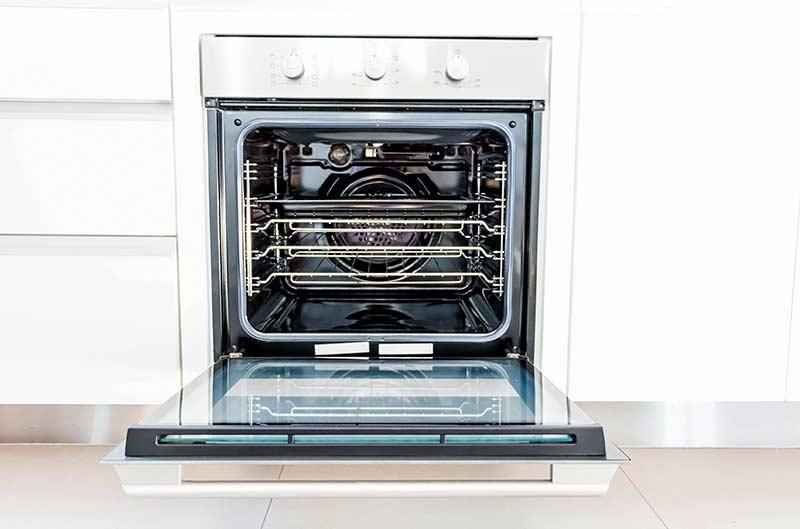
The 3 Most Effective & Eco-Friendly Ways to Clean Your Oven
3 Eco Friendly Ways To Clean Your Oven At Home
Eco Friendly Oven Cleaning With Baking Soda
Baking soda (also known as sodium bicarbonate) is one of the most famous and effective eco kitchen cleaning hacks. It does not only help neutralise foul odours, but it can be used to clean ovens, microwaves, and tile grout.Cleaning your oven overnight with baking soda and white vinegar
This is one of the most powerful combinations when it comes to how to keep your oven clean.- Use a little bit of water and mix it with the baking soda to create a paste.
- Rub the paste on the inside of your oven. Don’t forget the racks and the glass door too.
- Ensure everything is coated really good, then let it sit overnight.
- You will notice the baking soda mixture is completely dry the next day.
- Fill an empty spray bottle with undiluted white vinegar and spray the inside of your oven. You will hear a lot of fizzing.
- Make sure everything is sprayed really good, and then close the oven door and let this work its magic for 1-2 hours.
- Once done, take a rag or a sponge and scrub in circular motions. You will notice all the grease is coming off really easy.
- Rinse off the rag, and make sure all traces of the baking soda mixture are gone.
- If it’s been far too long since you last cleaned your oven, you may have to repeat the procedure
Cleaning your oven with lemon
Lemons are another great solution for eco-friendly oven cleaning. That’s because citric acid has powerful anti-bacterial, antiseptic, and degreasing effects and can help break even the toughest of baked-on grease and gunk.- First, juice two lemons, add some water, and put the mixture on the stove to boil.
- When the mixture boils, add a tablespoon of your regular dishwashing soap.
- Once the mixture stirs, remove it from the stove, and leave it to cool off before transferring it into an empty spray bottle.
- You can now spray the mixture directly onto dirty areas and then use a scourer and a sponge to clean off.
Steam cleaning with lemon
When it’s been too long since you last cleaned your oven, there will likely be a lot of greases and caked-on stuff on the inside. That’s when it’s best first to steam clean your oven with lemon, so all that burnt-on gunk can be loosened and cleaned more easily.- First, fill a glass bowl with boiling water.
- Juice two lemons and add them to the bowl as well.
- Place the mixture into the oven and allow for the lemon-infused steam to melt and loosen all the built-up grease and fat.
- After an hour, you will find you will have a much easier time cleaning the inside of your oven.
Lemon rub cleaning
When you’re in a hurry, you can use this method as another means of loosening the built-up grime, making this another effective, eco friendly oven cleaning hack.- Cut 3-4 lemons in halves.
- After you steam clean your oven, you can use the halves to give its inside surface additional citric acid and leave it on for a while for an even greater effect.
- You will then be able to clean even the toughest caked-on spots and have the easiest time cleaning your oven.
Cleaning your oven with DIY sugar soap
Sugar soap is another effective and sustainable way to clean your oven to keep them spotless. It is specially designed to clean grease and stubborn dirt. The thing about it, however, is that you have to make it yourself, as the commercial version of it contains compounds that are not eco-friendly.● 1.5 tbs of Imperial Sugar Light Brown Sugar
● 2 teaspoons of some essential oil (lavender, peppermint, vanilla, etc.)
● 1 teaspoon of vitamin E oil
● 2 cups of opaque glycerin melt-and-pour soap
- Cut and melt the soap into cubes
- Place the pieces into a double boiler and cover it with the lid.
- When it melts, take it off the stove and mix in the brown sugar and vitamin E oil.
- Pour everything into a glass measuring cup and add the essential oil.
- Pour in soap, filling the top of the mould. If bubbles appear, spritz gently with alcohol to remove them.
- Leave it to sit for around 4 hours.
- After you’re done, you have your own DIY sugar soap, with which you can proceed to clean your oven.
How Often Should You Clean Your Oven?
Ovens should be cleaned every two-three months, at least twice a year. Failing to do so can result in poor performance, burnt-out electronic components, increased electricity bills, and costly repairs.Why Is Regular Cleaning Important?
Regular maintenance is important to keep any appliance functioning properly and to extend its lifetime.How Not To Clean Your Oven
Some ovens have a self-cleaning feature, which, at first glance, sounds convenient.Deep Cleaning Your Ovening
An oven should be deep cleaned at least twice every year. The benefits are that it will increase its lifespan, reduce your electricity bills, and improve the taste of your food.Conclusion
One of the keys to living more sustainably is to have a clean and properly working oven. The 3 most effective and eco friendly oven cleaning ways we’ve reviewed above will ensure just that.0 comments
Let customers speak for us
Blog posts
Software is becoming an important part of building greener, more efficient industries. While sustainability was once discussed mainly in terms of emissions targets or environmental reporting, modern businesses are now looking at how smarter systems can reduce waste, improve asset performance, and use resources more responsibly. For readers of the Friendly Turtle EcoBlog, this topic highlights how technology can support a more sustainable future beyond the home, especially in manufacturing, energy, agriculture, and infrastructure. Asset integrity software, artificial intelligence, and smart energy management tools can help organisations monitor equipment condition, predict maintenance needs, reduce failures, and identify where energy or materials are being wasted. These improvements can lower environmental risk while also helping businesses operate more efficiently. From reducing unnecessary resource use to supporting cleaner water, energy, and agricultural systems, digital tools are increasingly shaping responsible industrial practices. When used thoughtfully, software can be more than a business upgrade, it can become a practical pathway towards lower-impact operations and long-term sustainability.
Waste is often treated as an unavoidable part of modern life, but in many cases it is the result of poor resource management. From households to factories and supply chains, the way materials, energy, labour, and equipment are used can make a significant difference to overall waste levels. For readers of the Friendly Turtle EcoBlog, this topic connects closely with sustainable living because reducing waste is not only about recycling after the fact, it is also about preventing unnecessary waste from being created in the first place. Smarter resource management encourages longer-lasting products, more efficient systems, better maintenance, and a shift away from the traditional linear model of take, make, and dispose. In industrial settings, this can mean using data to match production with real demand, replacing key parts before systems become inefficient, and reducing hidden waste such as energy loss or material surplus. By thinking more carefully about how resources move through everyday systems, businesses and individuals can lower environmental impact, save money, and support a more circular, responsible future.

