Creating a DIY travel journal for your family is an enriching way to preserve memories from your adventures together. It allows you to capture moments through a blend of writing, photographs, and creative touches, turning each trip into a cherished narrative that you can revisit time and again.
With simple materials and an eagerness to document your experiences, you can craft a travel journal that's as unique as the adventures you embark on. This process not only encourages creativity but also strengthens family bonds as everyone contributes their insights and memories.
By using elements like vacation-inspired stickers or colorful pens, your journal becomes more than just pages in a book. It transforms into a vibrant collection of moments that inspire you long after the journey has ended. Whether you’re on the road or preparing for the next adventure, a travel journal enhances the way you remember your trips and brings immense value to your family’s shared experiences.
Creating Your DIY Travel Journal
When crafting your own travel journal, selecting the right materials can greatly enhance your experience. You'll focus on choosing a sturdy journal, adding personal touches to its cover, designing page layouts, and gathering essential supplies to document your travels effectively.
Choosing the Right Journal
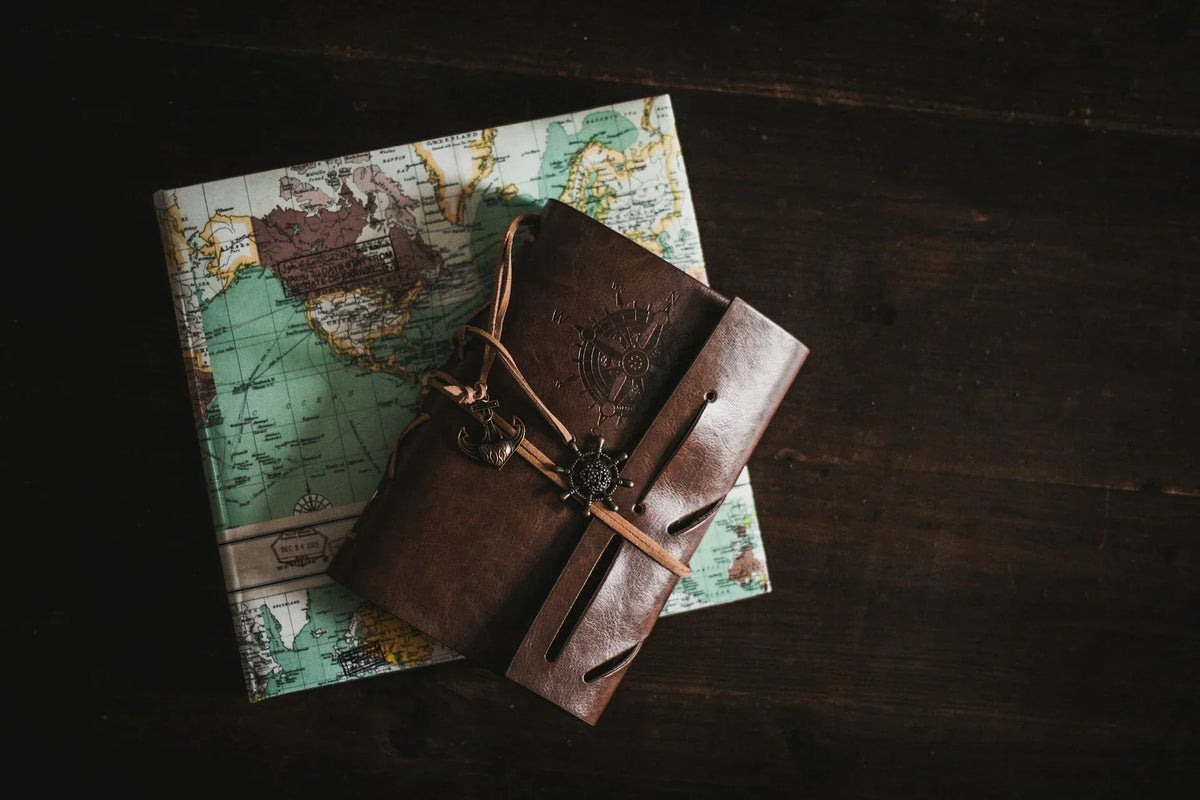
Begin with selecting a notebook that suits your style and needs. Consider the size—whether you prefer a compact journal for portability or a larger one for more detailed entries. The binding is another factor; a spiral-bound notebook allows pages to lie flat, while a hardbound one offers durability.
Paper quality is also key. Thicker, acid-free paper can handle various media like pens, markers, or even light watercolor without bleeding through. Remember that the right journal is a reflection of your personal taste and practicality.
Customizing the Journal Cover
Customizing the cover makes your journal unique. Use materials like scrapbook paper, fabric, or leather to create a personalized look. You can also incorporate stickers, stamps, or photographs that resonate with your travel theme.
Adding labels or tags with your travel dates or destinations can help organize your journal. This personal touch not only enhances the aesthetic but also provides a sense of ownership and identity to your creation. Feel free to experiment with different color schemes or thematic elements to suit your preference.
Preparing Interior Layout
Designing your journal’s interior layout aids in efficient record-keeping. Consider utilizing different sections for various types of entries, such as daily logs, memorable meals, or interesting encounters. Incorporate elements like headers and bullet points to organize your thoughts.
Think about leaving space on each page for sketches, photos, or small mementos you may collect during your travels. Including prompts or questions can spark creativity and help you capture moments you might otherwise overlook.
Gathering Journaling Supplies
Having the right supplies makes journaling enjoyable. Essential items include a variety of pens in different colors and thicknesses. Colored pencils, markers, and washi tape are great for embellishments. You might want a glue stick or double-sided tape for adding photos or tickets.
Scissors or a small paper trimmer can be useful for creating clean edges on scrapbook elements. If you enjoy mixed media, consider bringing along watercolor or small stamps. With these tools, you can enrich each page of your travel journal with colorful and dynamic entries.
By carefully choosing your tools and materials, you set the stage for a meaningful and personalized travel journaling experience.
Documenting Your Travels
Capturing family travel memories can be both an exciting and rewarding experience. By combining travel itineraries, special moments, maps, tickets, photos, and mementos, you can create a rich tapestry of memories that will last a lifetime.
Incorporating Travel Itineraries
Integrating travel itineraries into your travel journal provides a structured way to recount your adventures. Start by including details such as your travel dates, destinations, and accommodations. Documenting your itineraries helps you keep track of the various locations you have visited, making it easier to reflect on your journey. Whether you're jotting down thoughts on a road trip or pasting ticket stubs from a train adventure or the newsletters from that Mexican cruise, these journals become unique keepsakes reflecting your family's journey.
Use tables or lists to organize daily activities or highlight special experiences, such as visiting renowned places or participating in unique local events. This approach not only brings clarity to your narrative but also serves as a useful reference for planning future trips. Consider adding brief notes or personal thoughts about each day for a more vivid recollection of the experiences.
Capturing Special Moments
Documenting special moments creates a personal and emotional connection to your travels. Focus on writing down experiences that had a significant impact, such as meeting new friends, encountering unique cultures, or tasting local delicacies. By capturing the emotional essence of these events, you bring your travel journal to life.
Encourage every family member to contribute their perspectives or stories. Doing so can offer a diverse range of insights and emotions. Short anecdotes, funny incidents, or quotes can add depth and character to your entries. Incorporate sensory details like sounds, sights, and smells to make your memories more immersive and engaging.
Including Maps and Tickets
Including maps and tickets in your travel journal adds both visual interest and context to your adventures. Use maps to trace routes or highlight significant landmarks you've explored. This not only provides geographical context but also a visual representation of your travels.
Tickets from events, museums, or transportation can serve as tangible mementos. Attach them to your journal pages as they offer an authentic reminder of the places you visited and the experiences you had. These elements together create an engaging and multifaceted record of your journey that can be revisited time and again.
Adding Photos and Mementos
Photos and mementos are essential components of a well-rounded travel journal. Include photos that capture the essence of your trip—whether it's stunning landscapes, heartfelt moments, or cultural snapshots. Printing small photos for your journal allows you to complement your written entries with visual memories.
Collect small mementos like postcards, brochures, or souvenirs that symbolize your journey. Incorporating these into your journal not only enriches the aesthetic appeal but also brings back vivid memories of the destinations and experiences. This multimedia approach ensures your travel journal remains a cherished collection for the years to come.



0 comments