Do you ever think about how much joy your pet feels when they earn a small treat after following your command?
Treats are not just rewards they are a way to communicate love, trust, and encouragement. The right snacks help in training, keeping pets focused and cheerful while giving them something tasty and healthy. When treats are chosen wisely, they can add both fun and nutrition to your pet’s daily routine.
Let’s talk about some of the most loved and healthy treat options that make training time enjoyable and full of tail wags.
Why Treats Are Important for Training
Treats are one of the simplest ways to teach pets new habits and good manners. They make learning fun while motivating pets to listen and repeat positive behavior.
Apart from being tasty, healthy treats also give extra nutrition, helping pets stay active, alert, and happy. The joy of earning a treat builds confidence and strengthens the bond between you and your furry friend.
Balanced treats used during training can also support better digestion, stronger teeth, and overall well-being. Giving them in moderation during practice sessions keeps pets excited and motivated.
1. Crunchy Biscuits for Everyday Rewards
Crunchy treats are classic training snacks loved by pets everywhere. They are easy to store, non-messy, and come in a variety of flavors. Their crisp texture helps clean teeth while giving pets something satisfying to chew.
Benefits include:
- Helps in maintaining oral health
- Provides energy for active pets
- Easy to carry during outdoor training sessions
2. Soft Chewy Treats for Quick Training Sessions
Soft treats in dog food work perfectly for fast commands and short training exercises. They are easy to bite and chew, making them ideal for young or small pets. These treats usually come in small pieces, so you can give them often without worrying about overfeeding.
They are useful when you need instant rewards for commands like sit, stay, or come.
3. Protein-Rich Snacks for Strong Muscles
High-protein treats help pets build and maintain muscle strength. These snacks are excellent after playtime or physical activity. Protein also supports healthy skin and fur, helping pets stay active and looking good. You can use small portions during training to boost both energy and focus.
4. Natural Fruit Bites for a Sweet Change
Fruits like apple slices, banana bits, or blueberries make refreshing training snacks. They are full of vitamins and natural sweetness. Pets enjoy the fresh taste, and it’s a simple way to add variety to their rewards.
Fruits are especially helpful in hydrating pets and adding fiber for smooth digestion. Always offer small portions as treats during training.
5. Small Bite-Sized Treats for Fast Rewards
Tiny treats are best when you want to repeat training commands multiple times. These bite-sized pieces allow frequent rewards without giving too many calories. Their small shape helps pets learn faster since they can eat them quickly and stay focused. Perfect for indoor sessions or agility training where timing matters.
6. Crunchy Vegetable Snacks for Nutrition Boost
Vegetables like carrots or sweet potatoes can be turned into simple training treats. They provide natural vitamins and minerals that support eyesight, digestion, and energy. These crunchy snacks are light, nutritious, and add a nice texture that pets love.
They also help keep teeth strong and clean while providing a fun crunch during chewing.
7. Long-Lasting Chews for Focus and Relaxation
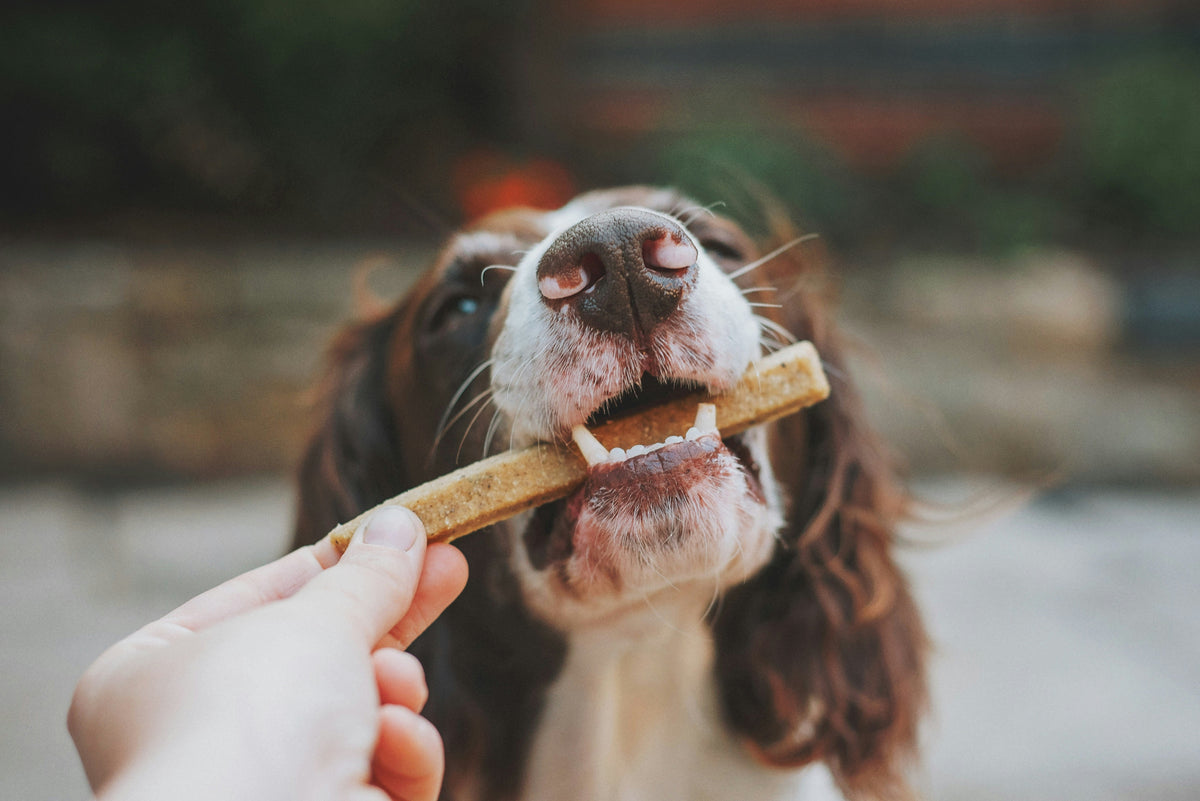
Chewy sticks or natural bones are perfect for keeping pets occupied during calm training periods or rest breaks. They are satisfying and help in cleaning teeth while providing long-lasting enjoyment. These chews also support jaw strength and help maintain dental health.
They are best used after a session to help pets relax while still feeling rewarded.
8. Low-Calorie Snacks for Everyday Use
When training often, low-calorie treats are a smart choice. They let you reward pets many times a day without adding extra weight. These treats still provide nutrition while keeping the diet balanced.
Low-calorie treats help maintain energy and excitement without affecting overall health.
9. Homemade Treats for a Personal Touch
Making treats at home lets you control what goes into your pet’s snacks. Using fresh ingredients like oats, eggs, and vegetables, you can create healthy and tasty bites. Homemade options are easy to customize according to your pet’s preference.
They also bring a personal touch to training since you prepare them with care and love.
10. Moist Training Treats for Hydration and Flavor
Moist treats are tasty, aromatic, and easy to chew. They are usually rich in flavor and ideal for outdoor sessions where you need to hold your pet’s attention. The moisture content keeps them hydrated and adds variety to their diet. Perfect for pets that enjoy softer textures and flavorful rewards.
How to Use Treats the Right Way
Training becomes more enjoyable when treats are used at the right time. Giving a treat immediately after a command helps pets understand what behavior is being rewarded. Timing and consistency play a big role in successful training.
Tips for Better Training Sessions
- Keep treats small to maintain attention and control portions
- Reward instantly after the correct behavior
- Mix up treats to keep pets interested
- Combine verbal praise with treats for emotional bonding
- End sessions on a positive note with a final reward and affection
Training is about communication and connection. Treats make that bond stronger by turning learning into a fun and positive experience.
The Benefits of Using Healthy Treats
Healthy treats do more than just please pets they contribute to their long-term wellness. They support the immune system, aid digestion, and provide essential nutrients for daily activities. Giving nutritious treats shows care for your pet’s health and happiness.
When chosen properly, treats are a small step toward a lifetime of good behavior and joyful companionship.
Conclusion
Rewarding pets with healthy treats makes training sessions enjoyable and effective. Each treat you give carries more than flavor it builds trust, confidence, and love. By choosing nutritious and balanced snacks, you help your pet stay active, cheerful, and motivated to learn. The right treats create happy moments and lasting habits that make both you and your pet feel proud every single day.



0 comments