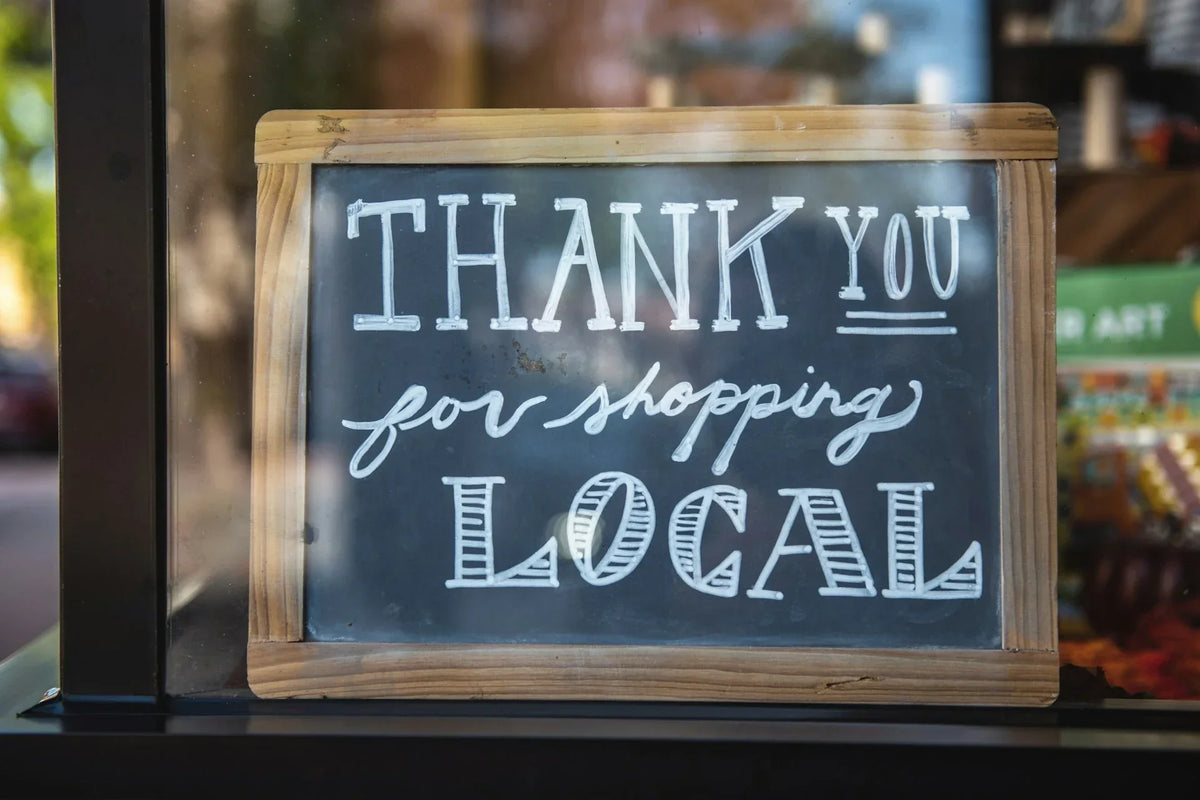
The public consciousness has shifted somewhat over the past decade or so and is now more focused on sourcing things that are as economical and eco-friendly as possible. While there is still a considerable market for cheaper, mass-produced items from the likes of Temu and Shien et al., many are now more interested in buying products locally in order to support their local economy and ensure as little effect on the fragile ecosystem as possible. For those who may be on the fence about local products or are worried about the costs, this post aims to offer several genuine benefits of doing so that should hopefully change your mind and convince you that local is a far better alternative to shipping things halfway around the world.
Promotes Biodiversity In Local Ecosystems
Perhaps the most prominent industry that benefits from people opting to source products locally is the food industry. We have become somewhat accustomed to being able to eat strawberries in the deepest winter and farmed fish from the other side of the planet that we often forget just how unnatural this course of events really is. By choosing local, you can avoid having to deal with large corporations that have no interest in the environment outside of how it can be harvested for profit (more on that later, though). Foodstuffs such as crawfish are a delicacy in the USA, and while most popular in the southern states, they are eaten throughout the United States. The thing is that you can often buy frozen crawfish from all sorts of countries, but what you might gain at a slightly lower cost will be a lack of flavor and overreliance on other countries. According to the Louisiana Crawfish Company, they are able to garnet delivery of fresh crawfish due to the various techniques they've learned over the years of cultivating the consultation from which they are most known to originate, thus protecting the ecosystem. This extends to all food groups, and although you might have to miss out on certain cost benefits, you will gain from eating food how nature intended it.
Supports Local Economies And Sustainability
It's always a good thing to support your local economy, whether that be municipal, regional, or even national. And, with new tariffs being imposed on bringing in items from elsewhere around the world, there is no better time to support your locality and spend your money where it can make the most difference. This support can bring in much-needed revenue for local authorities to spend on regional infrastructure and programs aimed at helping those in need or building up fledgling businesses, creating a virtuous cycle that compounds over time.
Minimizes Packaging Waste From Products
When you ship products from far away, there is a need to ensure that they arrive to the end customer in one piece. This inevitably involves sometimes an obscene amount of packaging that only ends up in the landfill as waste. Even if the packaging is paper-based and biodegradable, the sheer amount means that an inordinate amount of energy and materials have been used to create it. Purchasing locally typically results in reduced packaging needed for delivery to your home without damage.
Decreases Reliance On Large Corporations
If you are the sort of person who has a love-hate relationship with Amazin, this point is for you. Nobody really wants to support enormous behemoths that only ever move their profit offshore to avoid paying their fair share in tax. After all, the little guys have to stump up, so why not those with far deeper pockets? While this post certainly isn't intended to be a diatribe on the issue of large corporations, we all have the feeling in our stomachs that it's much better for everyone to spend their money with the average Joe than to further line Jeff Bezos' pockets.
Enhances Freshness Of Locally Sourced Goods
If we look at the crawfish example per the first point, it's easy to see just how locality can affect the quality and freshness of a product. When you opt to source your food near to where it's historically been grown or raised, the end product will arrive much fresher, ensuring a far superior eating experience over that of something flash frozen and packaged by people who have no interest in who you are or how favorable your experience might be.
Strengthens Local Cultural Identity And Heritage
It seems that we have lost a large portion of what makes our nation great. While this is for numerous reasons outside the remit of this post, it can be said that offshoring a lot of the kinds of things we used to produce in the country has had a profound effect. While we have benefited slightly financially from globalization, we have lost a lot of what has traditionally given local regions their personalities.
Reduces Carbon Footprint From Transportation
We finish off with arguably the most obvious but no less critical reason for shopping locally, which is that it simply reduces the amount of energy used to transport things from the four corners of the planet. The less you buy things made far away, the less pollution is created by bringing them from the factory to your home; it's as simple as that.
It used to be that "buying local" was only open to those with bank balances who could afford such luxuries. However, as more people have cottoned on to the enormous range of benefits that come from local produce, more businesses have started to embrace the idea, thus opening it up to the masses.



0 comments