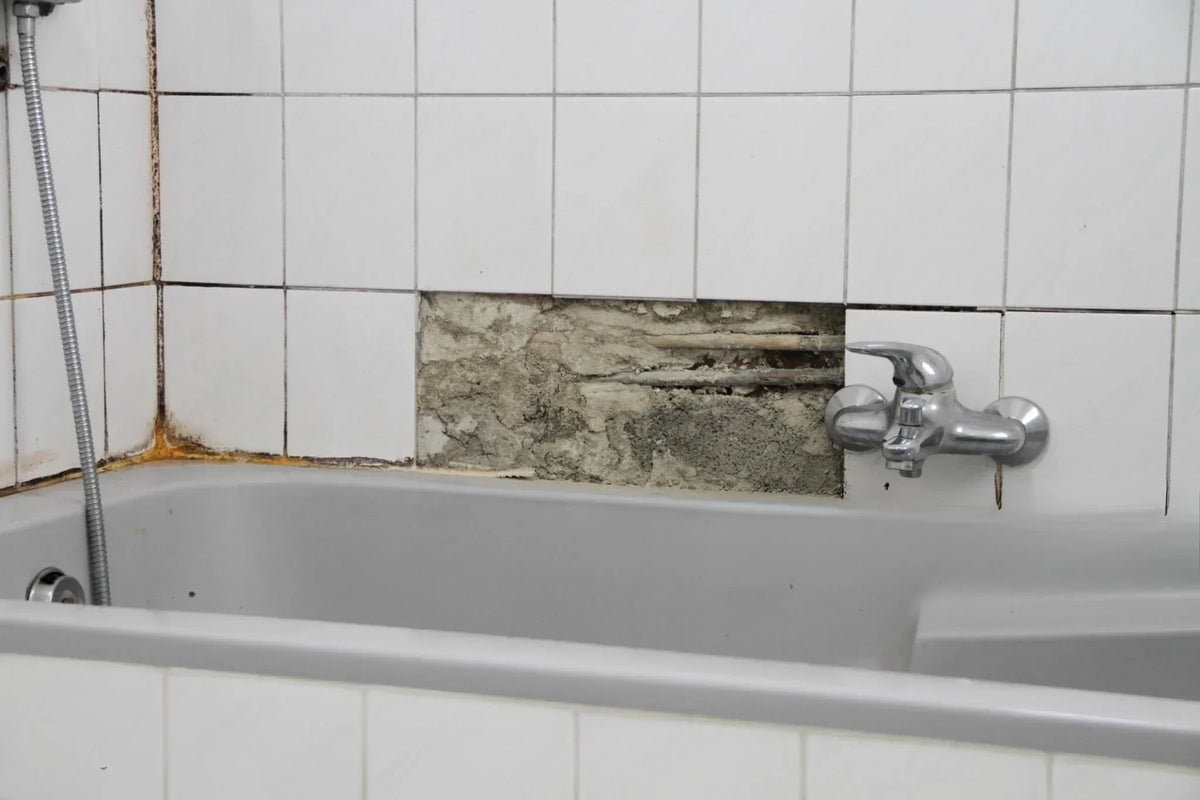
Water damage is one of the most common issues affecting bath panels, and it can lead to mould, swelling, and even structural problems if left unchecked. While minor issues can sometimes be repaired, there comes a point when replacement is the better option. In this guide, we’ll help you determine whether you should fix your existing bath panel or invest in a new one.
Signs of Water Damage on Bath Panels
Water damage isn’t always obvious at first, but there are key warning signs to watch for, including:
- Discolouration – Yellowing, dark spots, or staining often indicate prolonged moisture exposure.
- Swelling or Warping – MDF or wooden panels absorb water over time, causing them to expand and distort.
- Soft or Spongy Texture – If your bath panel feels soft when pressed, water has likely seeped into the material.
- Mould Growth – Persistent black spots or mildew suggest moisture is trapped behind or within the panel.
- Peeling or Flaking Finish – A worn-out protective coating can lead to further deterioration.
If you notice any of these issues, it’s time to assess whether a repair will suffice or if a full replacement is necessary. For long-lasting bath panels, shop at Plumbworld.
When to Repair Your Bath Panel
Minor damage can often be fixed with a bit of DIY effort. Consider repairing your bath panel if:
- The damage is surface-level, such as small cracks, peeling paint, or slight discolouration.
- The panel is structurally sound and still securely in place.
- Mould is only on the surface and can be removed with proper cleaning and a mould-resistant sealant.
- The material isn’t heavily swollen or warped—light sanding and repainting may restore it.
For MDF or wooden panels, applying a waterproof sealant can help prevent further moisture absorption. Acrylic panels, on the other hand, may benefit from a patch repair if cracks are minor.
When to Replace Your Bath Panel
Sometimes, a repair isn’t worth the effort, and replacement is the smarter choice. You should replace your bath panel if:
- It’s severely swollen or warped – Once MDF or wooden panels absorb too much moisture, they can’t return to their original shape.
- There’s deep-set mould – If mould has penetrated the material rather than just the surface, it poses a health risk and can spread.
- The panel feels weak or unstable – A structurally compromised bath panel won’t provide proper coverage and protection.
- You’ve had recurring water damage issues – If repairs keep failing, a moisture-resistant replacement panel is a better long-term investment.
- You want to upgrade your bathroom’s appearance – Even if your panel isn’t completely ruined, replacing it with a modern, water-resistant option can enhance your bathroom’s look and functionality.
Choosing the Perfect Bath Panel
Is it about time you upgraded your bath panel? When it starts to fade or get water damage, the panel can bring down the style of your bathroom. Thankfully, it can be simple to replace and totally transform the room.
Shopping online for a bath panel is recommended since you can have access to various brands and designs. There’s something for everyone, whether you’re having something modern and bold or are going for a traditional style. Here are some tips on how you can choose the best design for your home.
Examine the Material
Consider what type of material you want your bath panel to be constructed from. For example, more expensive options include real wood, which can have a timeless design. Then, there are more affordable options such as acrylic and MDF. Always think about what your budget is and how long you want the panel to last.
Check the Measurements
Of course, you need to purchase the right size of bath panel. Yes, you want to look at the shape and make sure it fits the bath. But, you also have to pay attention to the length and height if you want the perfect fit. Most suppliers are going to give you all the numbers you need. Just ensure that you also take measurements of your bathroom.
Decide on the Colour
One of the best parts of choosing a bath panel is selecting the style. Indeed, the colour is a big decision and there are many available. You’ve got the traditional white and black options, as well as modern greys, blues and greens. Consider what style you’re going for in your bathroom first, and you can select the best shade.
Conclusion
Water damage can quickly ruin a bath panel, but knowing when to repair and when to replace can save you time and money. If the damage is minor, a quick fix may extend its life, but if your panel is swollen, mouldy, or structurally weak, replacing it is the best option. Choosing a durable, moisture-resistant panel will ensure your bathroom stays stylish and functional for years to come.