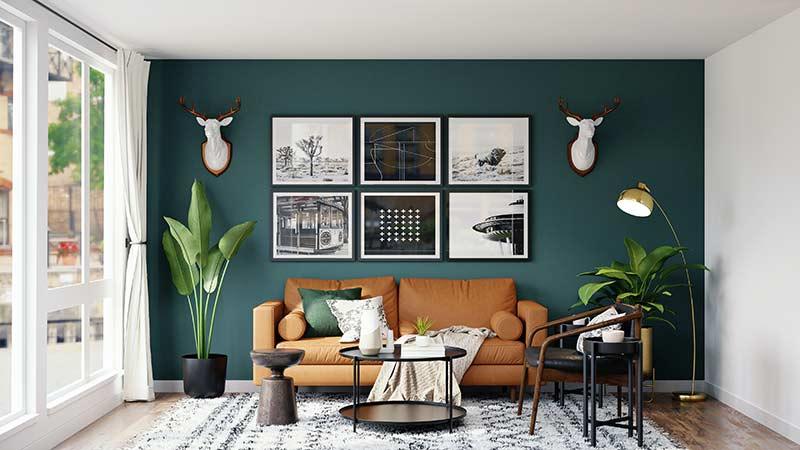
As we become more aware of our actions' negative environmental impact, it's no surprise that eco-friendly design trends are rising. It's no secret that the design industry is one of the most polluting industries in the world.
The good news is there are a growing number of eco-friendly design trends that are helping to make home design more sustainable. As we become more and more conscious of our impact on the environment, people are starting to look for ways to make their homes more sustainable.
Many eco-friendly home design trends can help you do this, from installing solar panels to using reclaimed materials. Here are seven of our favourite eco-friendly design trends for a more sustainable future.
1. Wood Accents
One way to add a natural touch to your space is with wood accents. Wooden furniture, flooring, and decor items help create a warm and inviting atmosphere while also helping to offset your carbon footprint.
While wood accents are a great way to add sustainability to your space, it's important to remember that wood rots quickly. Make sure to select pieces made from sustainable sources and treated with a sealant or lacquer to help them last longer.
Try bamboo if you're looking for an eco-friendly alternative to hardwood floors. Bamboo grows quickly and doesn't require harsh chemicals or pesticides to thrive, making it a much more sustainable option.

2. Indoor Plants
Incorporating indoor plants into your design is not only aesthetically pleasing but can also help improve air quality.
Plants like spider and snake plants are especially good at cleansing the air of harmful toxins. Adding just a few plants to your space can make a big difference in the quality of the air you breathe.
Bonus tip: Look for ways to capture rainwater that can then be used to water plants or wash your car. Installing a rain barrel is an easy way to do this. These are just some of the many eco-friendly design trends that are gaining popularity.
You'll be on your way to a more sustainable home or office by incorporating even a few of these ideas into your space.
3. Solar Panels
Installing solar panels is one of the best ways to make your home more sustainable.
Not only do solar panels help reduce your carbon footprint, they can also help you save money on your energy bill.
There are various solar panel options available, so be sure to do your research to find the best option for your home. There are also a number of government and financial incentives available to help offset the cost of installing solar panels.

4. LED Lighting
LED lights use significantly less energy than traditional incandescent bulbs and last much longer. Switching to LED lighting is easy to reduce your energy consumption and lower your electric bill. Plus, many LEDs now come in eco-friendly packaging that can be recycled or composted.
One of the simplest ways to make your home more sustainable is by swapping out your traditional light bulbs for LED bulbs. LED bulbs use up to 90% less energy than incandescent bulbs and last up to 25 times longer. They also produce less heat, making them safer for homes with children or pets.
If you're in the market for new appliances, look for energy-efficient models that have been certified by Energy Star. These appliances use less water and energy, which helps conserve natural resources and lowers your utility bills. Many green appliances also come with extended warranties, so you can feel confident about your purchase.

5. Recycled & Reclaimed Materials
Using recycled materials in your design is a great way to give new life to old items and reduce waste going into landfills. Recycled glass can be used for everything from countertops to accent pieces, while recycled metals can be used for everything from hardware to light fixtures.
If you're looking for furniture made from recycled materials, check out websites like Etsy where you'll find unique pieces made from upcycled items.
Reclaimed materials are materials that have been repurposed for another use. Often reclaimed materials are used in eco-friendly design as they are a more sustainable option than new materials. Some common reclaimed materials include wood, metal, and brick.
Try using reclaimed materials in your next home project. You can find reclaimed materials at local salvage yards or online retailers.

6. Non-Toxic Paint
Non-toxic paint is a great choice for anyone looking to make their home more eco-friendly. Not only is it safer for you and your family, but it's also better for the environment.
Non-toxic paint doesn't contain harmful volatile organic compounds (VOCs) that can off-gas into the air and negatively affect indoor air quality. You'll breathe easier knowing that the paint you've chosen is safe for you and the environment.
Choosing non-toxic paint is an easy way to make your home more sustainable. Not only will you be breathing easier, but you'll also be doing your part to protect the environment.
7. Low-Flow Fixtures
Low-flow plumbing fixtures are becoming more common as people seek ways to conserve water. This includes low-flow toilets, faucets, and showerheads. Low-flow fixtures use less water without sacrificing performance, which means they're better for the environment and your wallet.
Bonus tip: If you're looking for ways to reduce your environmental impact, one easy solution is to reuse the items you already have. Instead of throwing out your old furniture or appliances, try hosting a garage sale to get rid of them. You can also donate them to a local charity or recycling centre. By reusing what you have, you'll help reduce waste and conserve natural resources.
Garage sale flyers are a great way to advertise your event and attract buyers. You can create them using VistaCreate templates, which are easy to use and customizable. Just enter your information and the template will take care of the rest.
Over to You
What sustainable design trends do you love? Let us know in the comments below!